Former Palantir Executives Launch Dream With $17 Million to Build AI World Models for Construction
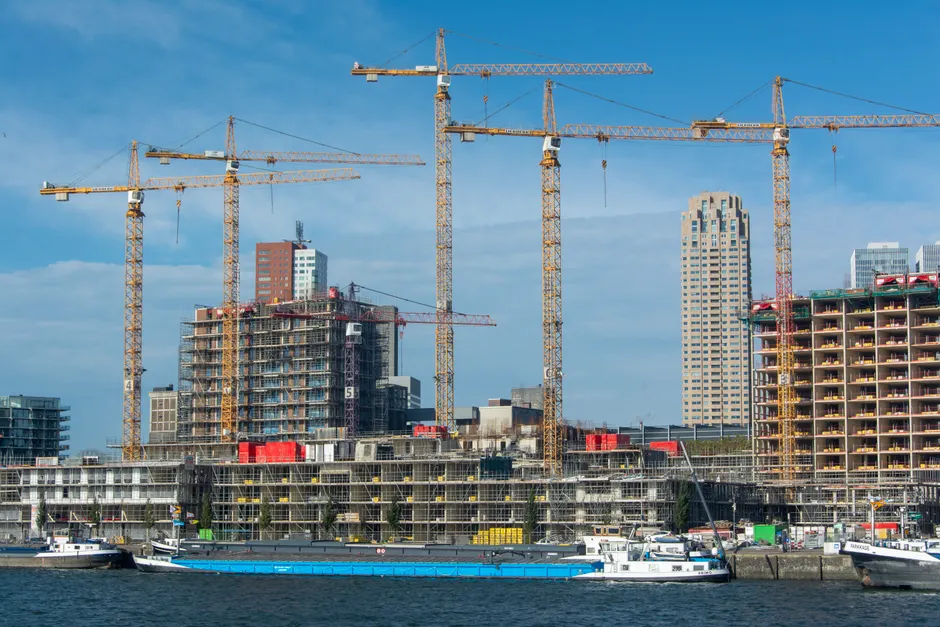
Dream, a company founded by former Palantir executives Andy Alder and Arjun Mather, emerged from stealth on October 29, 2026 with $17 million in seed funding led by Andreessen Horowitz. The startup is developing AI world models intended to automate building design and engineering work, according to TechCrunch.
SV Angel, XYZ, and Zigg Capital also participated in the seed round.
Alder and Mather met as computer science students at Stanford, where they were roommates. Each spent a decade at Palantir before founding Dream. Alder led product design for an 800-person team that builds software for U.S. defense and intelligence agencies. Mather served as a senior vice president in Palantir's commercial practice. The two founders therefore bring experience from both sides of Palantir's business, a government-facing product organization and a commercial one, to a company whose customers work in construction.
The technical premise rests on data. Dream's world model is trained on more than 100 million square feet of building data gathered from permit archives across the United States. Permit files typically contain plans, specifications, and jurisdictional review records, which makes them a plausible raw corpus for a model that reasons about how structures are designed and built. The platform is currently deployed across 10 active projects in Texas and California.
For readers unfamiliar with the term, a world model is a learned representation of how an environment behaves, one that lets a system predict the consequences of an action before it is taken. Applied to building design and engineering, that would mean a model that can anticipate how a design change propagates through a project. The company's goal is automation of design and engineering tasks. Those details matter for anyone evaluating the product against existing design tools.
The permit-archive approach raises a question that the funding announcement does not answer. Permit records vary considerably between jurisdictions in completeness, format, and the level of drawing detail retained. How a model trained on that material handles the gaps, and how it is validated against the stamped drawings and inspection outcomes that engineers actually sign off on, will determine whether the platform moves from pilot deployments to routine use. Ten active projects is an early footprint, and the next useful measure is how many of those projects reach completion with the platform in the loop.
The broader context here is a construction sector that has been slow to absorb software, with design and permitting workflows still anchored in drawing sets and manual review. Founders who spent years building data products for government customers have a reason to treat that fragmentation as a data problem, and Dream's bet is that a model trained on a large body of permit history can read it. Whether the approach holds will depend on evaluation results that have not yet been published. For now, the verifiable facts are a $17 million seed round, a founding team with a shared Stanford and Palantir history, and a platform running on ten projects in two states.