Binance Hack Takes $6.3 Billion as Tether and Circle Freeze $2.38 Billion

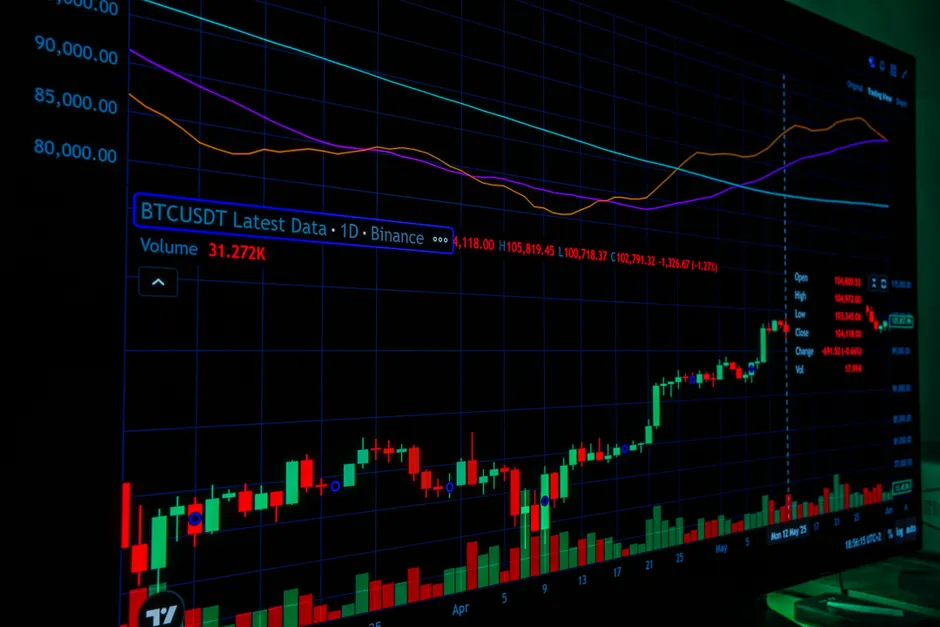
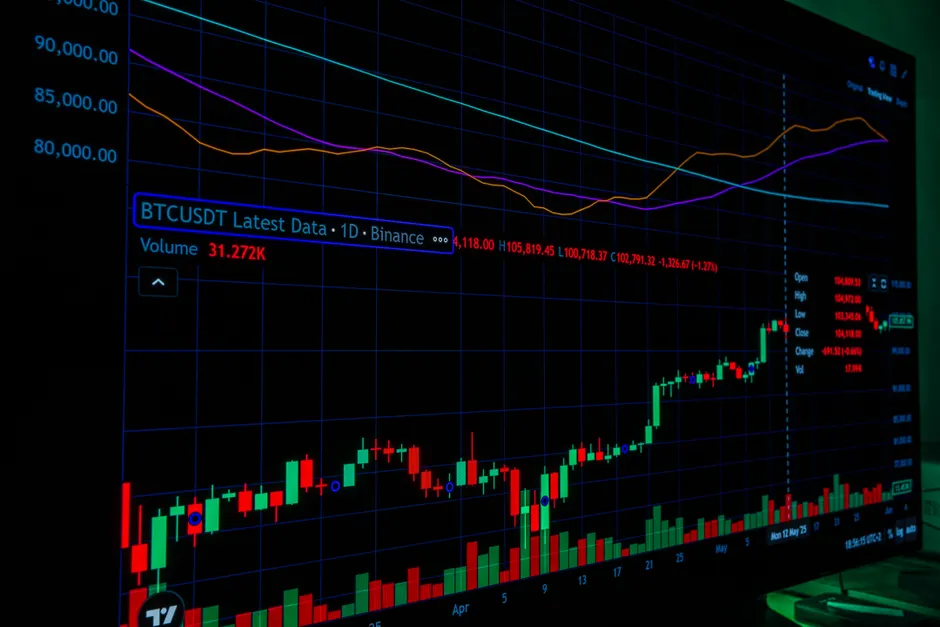
Hackers stole $6.3 billion from Binance, the world's biggest cryptocurrency exchange, in what Reuters describes as a record theft. Binance reported a security incident on October 29, and stablecoin issuers Tether and Circle moved to freeze tokens worth $2.38 billion, according to Reuters.
The freeze figure and the theft figure are different numbers doing different jobs. A stablecoin freeze blocks transfers of specific tokens at the issuer's end. It halts movement of those balances, but it does not by itself return anything to Binance, and it says nothing about how much of the $6.3 billion remains in reach. Anyone holding Tether or USDC-linked positions should read the freeze as a restriction on tokens, not as a recovery of the loss.
Analysts have blamed North Korea for the breach. Attribution in crypto theft typically rests on on-chain tracing of wallet flows, laundering patterns and infrastructure overlaps. Reuters reports the blame as analysts' view, and that distinction matters for anyone modelling counterparty or sanctions exposure.
The attribution carries weight because of earlier 2026 figures. In an April report, TRM Labs identified Drift Protocol and KelpDAO as the two 2026 crypto hacks it attributed to North Korea. The same report said North Korea stole $577 million across those two attacks and accounted for 76% of all crypto hack value that year. If the attribution holds, the Binance theft alone would be many times the combined value TRM assigned to North Korea's two earlier attacks, which would sharply change any year-to-date picture of state-linked theft.
For ordinary savers, the practical exposure runs through custody and withdrawals. Customers of a centralized exchange hold a claim on the exchange's assets, so the question of how much of the stolen value can be frozen, traced or recovered determines whether that claim is impaired. The reported freeze suggests some tokens are contained, but the unfrozen balance and the recovery path are not established. Anyone with exposure should expect the figures to shift as Binance and the issuers update their positions.
For institutional desks, the case is a test of how stablecoin freeze mechanisms perform at scale. Issuer-side freezes can limit onward movement quickly, but they depend on the issuer's ability to identify and block specific addresses before funds are dispersed. The $2.38 billion figure is the scale at which that tool was deployed in this episode, and the gap between it and the $6.3 billion stolen is the number that counterparty risk teams will focus on.
Binance's own description of the incident is the starting point for any further reckoning, and the coming days should clarify how much of the $6.3 billion is contained. Until then, the verified core is narrow: a $6.3 billion theft, a $2.38 billion freeze, and an attribution to North Korea that rests on analyst assessment rather than an official finding.