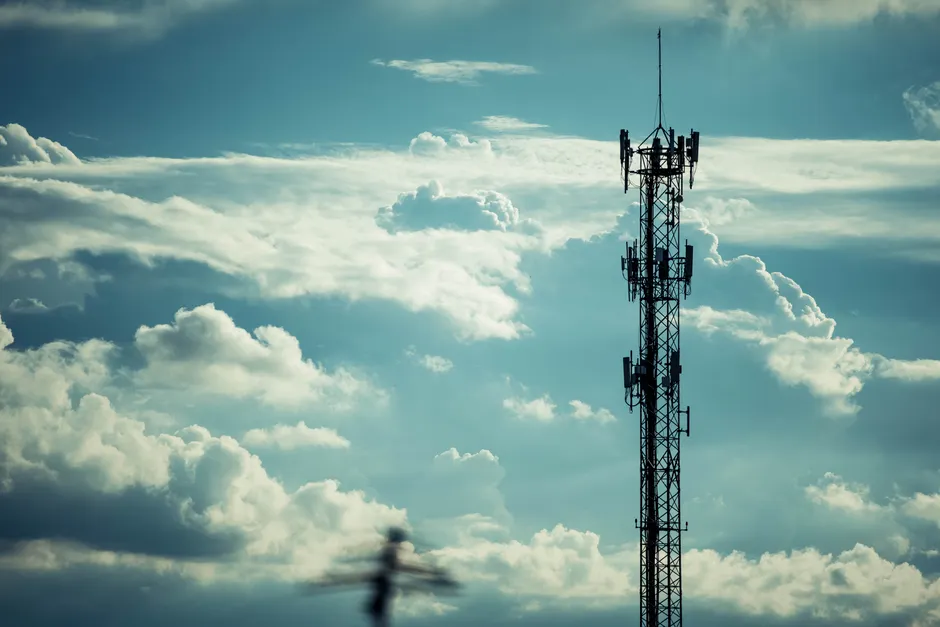
SpaceX Teams With Qualcomm to Build Out Starlink Mobile's Nationwide Network

SpaceX has teamed up with Qualcomm under a multi-year deal to build out a nationwide mobile network. PCMag reports that the planned service is named Starlink Mobile.
The hardware and software at the center of the arrangement is Qualcomm's Dragonwing Cellular Infrastructure, a platform designed to improve network coverage, capacity and efficiency. The Verge reports that SpaceX will bring Dragonwing technology to tens of thousands of 5G cell sites across the United States. The first deployments of that cell-site rollout are set for 2027.
The terrestrial build is only half of the design. SpaceX plans to combine Dragonwing Cellular Infrastructure with its constellation of direct-to-cell satellites, so that the ground sites and the satellite layer would operate as one network rather than as separate services. Qualcomm's announcement describes the agreement as a means to accelerate the Starlink Mobile build-out.
Everything described here is a plan. The 2027 start date marks the first deployments, not a completed network, and the cell-site count is a target stated for the rollout.
In my view, the question engineers will weigh first is the handoff. A device moving between a terrestrial 5G cell and a satellite beam has to switch links without dropping sessions, and the integration between a cell-site platform and a direct-to-cell constellation will determine how cleanly that works. Coverage, capacity and efficiency are the three goals Qualcomm names for Dragonwing, and each one depends on how the two layers share spectrum, scheduling and core functions.
The broader context here is the economics of rural and low-density coverage. Adding tens of thousands of cell sites is a large planning and deployment exercise for any operator, and the sites that are hardest to justify on a conventional business case are often the ones where a satellite layer adds the most. If the combined design delivers, coverage in areas that currently depend on a single tower, or on no tower at all, could improve. That outcome is what the plan points toward. It has not yet been demonstrated, and the first deployments in 2027 will be the first real test of how the pieces fit together.