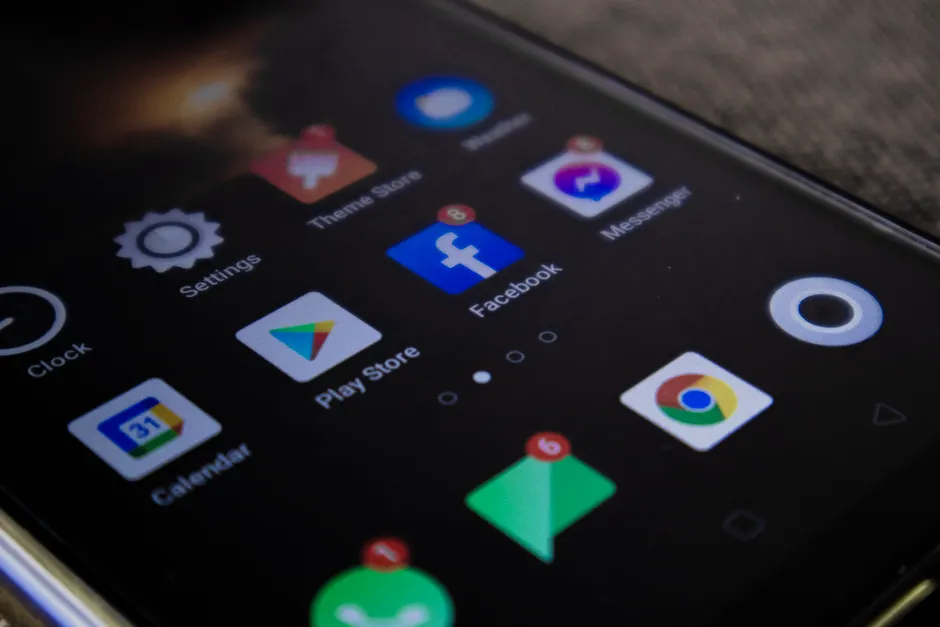
Google Opens Play Catalog to Third-Party Android Stores Starting July 22

Google will let third-party Android app stores in the United States access the Google Play catalog starting July 22, 2026, under a program it calls Play Catalog Access. Engadget
Under the program, participating stores become downloadable directly from within the Play Store itself. But the arrangement is narrower than "sideloading gets easier" headlines might suggest: downloads initiated through these third-party stores are still fulfilled through Google Play, and Google's standard service fees still apply to them. Engadget
Access isn't free for the stores themselves. Google is charging an upfront $5,000 service fee for a security review during onboarding, then $5,000 annually to retain catalog access. Engadget Participation is also geographically fenced: enrolled stores are legally restricted to targeting US users and cannot use the Play catalog to distribute apps elsewhere.
Developers retain an opt-out. Any Android developer can exclude their app listings from the catalogs made available to enrolled third-party stores, meaning inclusion is not automatic simply because an app is on Play. Google Play Console Help
Why Now: The Epic Settlement's Long Tail
The program exists because of a court order tied to Google's antitrust litigation against Epic Games. Engadget That case, in which a jury found Google operated illegal monopolies over Android app distribution and in-app billing, produced an injunction from US District Judge James Donato requiring Google to open up Play Store distribution and billing.
Google and Epic spent the following year negotiating around the edges of that injunction. In November 2025, the two companies reached a settlement and filed a modified version of Donato's original order. Then in March 2026, they unveiled a companion piece: a "Registered App Stores" program that would have given registered third-party stores a simplified installation flow rather than routing everything back through Play. Android Developers Blog
That modified settlement is now dead. Google and Epic withdrew it as of July 16, 2026, and neither company will argue for it in court going forward. Engadget Google spokesperson Dan Jackson framed the withdrawal as a move to avoid prolonging uncertainty for the ecosystem, saying the companies agreed to drop the motion to modify the injunction rather than continue litigating its terms. Engadget
Practically, this means the Play Catalog Access Program launching July 22 reflects Donato's original injunction rather than the more permissive Registered App Stores concept Google and Epic had floated in March. The simplified installation flow Google described four months ago is not what's shipping. What's shipping is catalog access with Play still in the fulfillment loop, plus onboarding fees and US-only geofencing that weren't features of the original vision Epic had pushed for in court.
Google has already made other concessions stemming from the same case: it opened Play to outside billing systems and cut its commission on app purchases from 30 percent to 10 percent. Engadget Those changes predate this specific catalog program but form part of the same compliance arc.
Separately, and on a parallel track, Google introduced an Android developer verification program in June 2026, beginning with verification of app installs from Google Play, Honor's App Market, and OPPO's App Market. Android Developers Blog That program is not a formal part of the Epic settlement machinery, but it lands in the same window and speaks to the same underlying tension: Google loosening distribution control while simultaneously building new identity and trust layers around who gets to publish software on Android at all.
The economics here are worth sitting with. A third-party store paying $5,000 to onboard and $5,000 annually just to see the Play catalog is a real cost, but a manageable one for any store with actual scale — Epic's own Games Store among them. What's less clear is what a third-party storefront actually gains by listing Play catalog apps whose downloads still route through Google's infrastructure and still generate Google's fees. The commercial case for a third-party store built around app discovery, rather than around undercutting Google's take, is not obviously stronger today than it was before this program existed.
The US-only restriction also deserves scrutiny in the context of past mobile antitrust fights, which have often played out on separate, overlapping tracks across the EU, South Korea, and elsewhere. Whatever Google builds here for its home antitrust case has no obligation to travel, and nothing in these terms suggests it will.
For developers, the immediate action item is the opt-out. Anyone uneasy about having their listing surfaced inside a store they don't control, review, or endorse now has an explicit mechanism to decline that exposure — a small but consequential piece of agency that arrived quietly alongside the bigger program announcement.