Data Center Ballot Measures Turn Against Builders in the 2026 Midterms

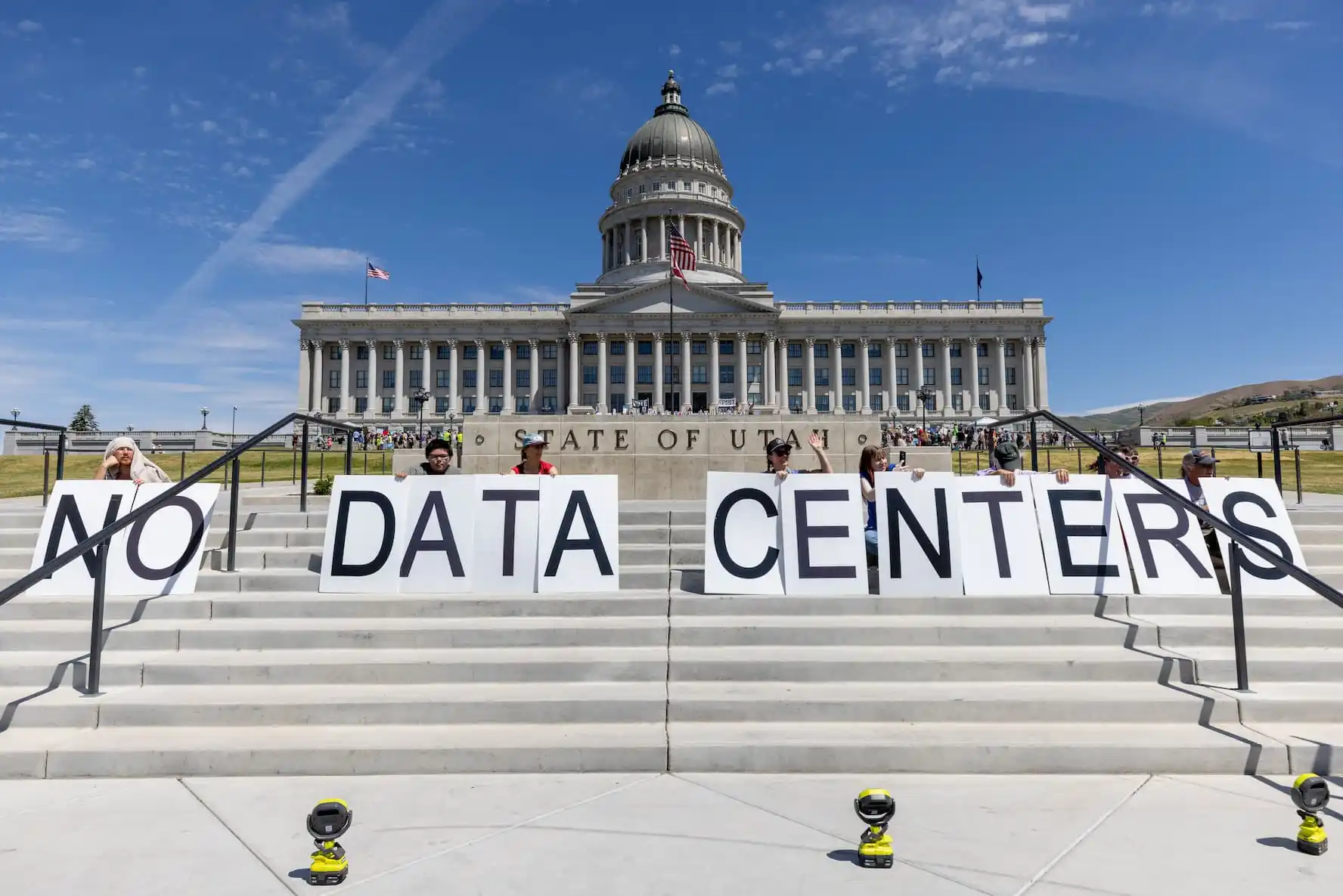
Voters decided 47 data center-related ballot measures as of November 4, 2026, and a majority favored greater limits on development in 46 of them, according to Ballotpedia. The same election gave Democrats control of Congress, and the two results are now being read together by investors, state legislators and county commissioners.
Most of the measures were decided at the municipal level, according to Bloomberg. The Washington Post reported that voters rejected or restricted data centers in at least 38 jurisdictions on November 4. Reuters described data center opponents as among the biggest winners of the Democrats' landslide victories in the midterms.
Public opinion points in the same direction. The Atlantic reports that more than 80 percent of Americans think the technology is moving too quickly, and more than 70 percent oppose data center construction. In September, The Atlantic cited a recent NBC poll finding nearly 70 percent of Americans oppose construction of a data center in their area. In August, a Heatmap poll cited in a separate Atlantic newsletter found three-quarters of Americans would oppose a data center built near where they live.
Markets reacted quickly. Following the Democratic takeover of Congress, Reuters reported that data-center stocks slid while clean-energy shares rallied. A separate Reuters analysis said Democratic victories in Texas and Georgia fueled expectations of tighter AI oversight, and it identified the companies most exposed to potential data center curbs in a broader blue sweep.
The local record predates the election. Frederick County, Maryland, County Executive Jessica Fitzwater announced a temporary pause on new data center development, according to a county notice posted in July. Cumberland County, North Carolina, held a public hearing on May 18, 2026 on an ordinance implementing a moratorium on data centers, and on June 15 it approved a six-month moratorium, according to county planning materials. Brisbane, California, adopted an urgency ordinance establishing a temporary moratorium on data center development that takes effect for 45 days from adoption, per city council highlights.
New York City Mayor Zohran Mamdani said in November that Jocelyn Benson had campaigned on a data center moratorium. The remark was made during a city media availability.
In my view, the more useful question for anyone building or operating these facilities is not whether opposition exists, but which siting, power and cooling decisions can survive a local hearing. A moratorium is a blunt instrument. It buys a jurisdiction time to write rules on water draw, grid interconnection, noise and transmission, and the operators who arrive with specific answers on those points are likely to face a different reception than those who do not.
The broader context here is that the measures do not all restrict the same thing. Some pause new projects outright, some set conditions, and some reject a specific parcel. The practical effect for a hyperscaler, a colocation provider or a utility will depend on which of those tools a given county reaches for. Democratic control of Congress may shift federal oversight of AI, but most of the decisions that determine where a data hall gets built are made by local governments, and the November ballots were largely local.
What the results make possible, if the operators and jurisdictions find workable terms, is a clearer set of published criteria for approval. That would give developers a predictable path, and it would give residents a stated basis for the answer they are giving at the ballot box.