OpenAI Brings Verified Business Agents Into ChatGPT

OpenAI is introducing Business Agents in ChatGPT, verified agents that represent a brand and help users with tasks such as comparison shopping. The company's newsroom lists the announcement, titled "Introducing Businesses in ChatGPT," as a Product story dated November 10, 2026.
The feature will be available first to eligible e-commerce and online service businesses in the United States. The Verge reports that Business Agents are launching as part of a suite of business-focused ChatGPT features announced in beta.
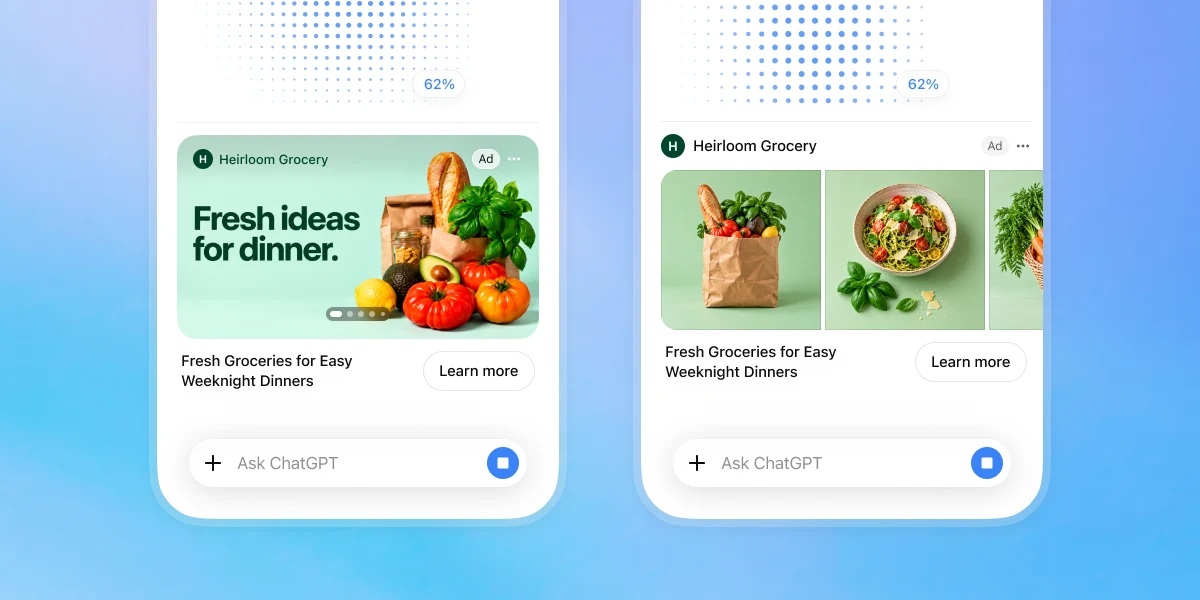
Users do not search for a Business Agent directly. A conversation starts when a business that has created an agent appears in a ChatGPT response, at which point the user can begin talking with that agent. Chats with Business Agents are clearly labeled and kept separate from the main ChatGPT conversation, so the user can tell when they are speaking with a brand's representative rather than with the general assistant.
Businesses control how their agent behaves. According to the report, a company can specify the agent's instructions and supply business context so the agent knows how to respond. The result is a brand-configured assistant operating inside a general-purpose chat product, with the instruction set defined by the company rather than by ChatGPT's default behavior.
On the verification side, companies can claim their organization and get verified through a feature called Business Hub. Business Hub is also where companies will see insights, including mentions in ChatGPT responses and the top discovery topics in which their business appears. That gives brands a view of how often they surface in ChatGPT answers and the subjects that surface them, a measurement layer that has not previously been offered inside the product in this form, according to the reporting.
In my view, the design choices here matter more than the feature list. The labeling and separation of agent chats are the points where a commercial voice meets a user who may have asked a neutral question, and how clearly that boundary is drawn will shape whether users treat these conversations as recommendations, sales interactions, or customer service. Verification through Business Hub is the mechanism that ties an agent to an accountable organization, which is the part of the design that will carry the most weight as the feature expands beyond its first cohort of eligible US businesses.
The broader context here is a shift in how brands reach shoppers. Discovery has long meant search results and marketplace listings. Business Agents move part of that discovery into a conversational interface, where the question is no longer which page ranks but whether the assistant surfaces a business at all, and what that business's agent says once a user engages it. For retailers and online service providers, the Business Hub insights are an early indication of how that visibility will be tracked.
For users, the immediate benefit is straightforward. A shopper comparing options can ask a brand's agent direct questions inside the same session, without leaving the conversation to navigate multiple sites. Whether that convenience comes with the transparency users need will depend on how consistently the labeling works in practice and how the verification standard is applied as the program grows. The feature is in beta, and the details of its rollout beyond the initial US cohort remain to be shown.