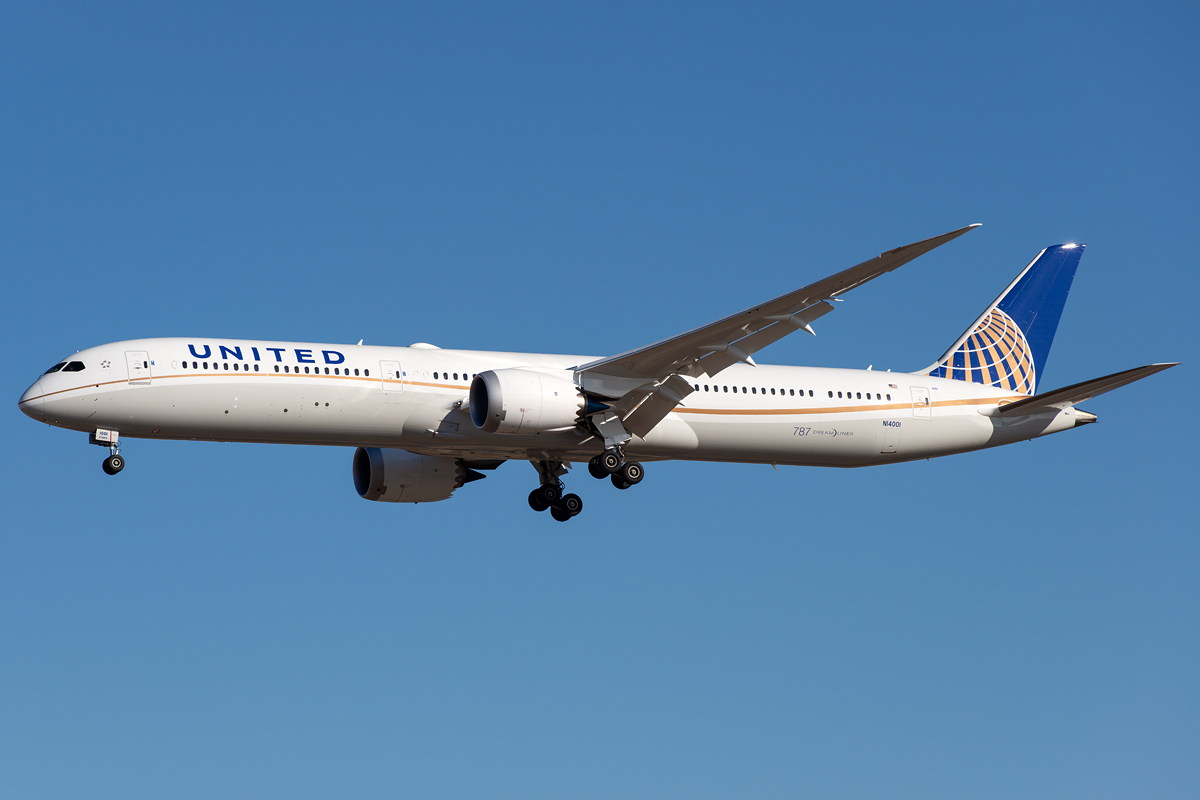
United Airlines Reports Technology Outage Disrupting Departing Flights

United Airlines said it was troubleshooting a technology issue affecting departing flights, a disruption that The Verge reported on November 16, 2026. The carrier's own account was posted on its official X account.
United said the issue had no impact on flights already in progress, and none on United Express flights. The distinction matters operationally. The disruption was confined to the ground-side stage of the operation, where departure processing depends on the carrier's systems, and it did not reach aircraft that were airborne.
The Verge reported that the outage affected departures, and the carrier's statement did not describe a root cause. Reporting available at the time of publication did not include a figure for the number of flights delayed or cancelled, and no restoration timeline was attached to the statement.
The disruption also follows a separate federal event. According to The Verge, the FAA halted takeoffs nationwide because of an air traffic control communications and radar issue less than a week before the United outage. The two incidents involved different operators, one a federal air traffic control system and the other an airline's internal operations stack.
The broader context here is the layered dependency that modern airline operations carry. A departing aircraft relies on reservations and check-in platforms, crew and flight-planning systems, weight-and-balance calculations, gate and boarding applications, and a connection to air traffic control that can be affected by problems outside the carrier's control. Each layer can fail independently, and a failure in one may stop the departure process even when the aircraft and the airspace are functioning. For operations engineers, the practical question is how quickly a degraded state can be isolated, how well manual fallbacks hold up at scale, and how much of the customer-facing recovery depends on the same systems that failed.
In my view, the most useful detail in the carrier's statement is the scoping. Telling passengers and regulators that flights already in progress were unaffected defines the failure domain, and that kind of precision is what allows an incident to be bounded. It does not answer how the outage happened, and it should not be read as a statement about resilience beyond the event itself.
The two events, one a nationwide ground stop and the other an airline-specific departure disruption, are a reminder that the systems that move passengers depend on a stack of interacting components. The optimistic reading is that the aviation sector has long experience in managing exactly these failures, with redundancy and procedural fallbacks that have improved over decades. Whether this episode adds to that record will depend on what the eventual root-cause analysis reports, and that analysis has not yet been published.