Stocks Falter as Oil Holds Gains and Hedge Funds Exit Tech
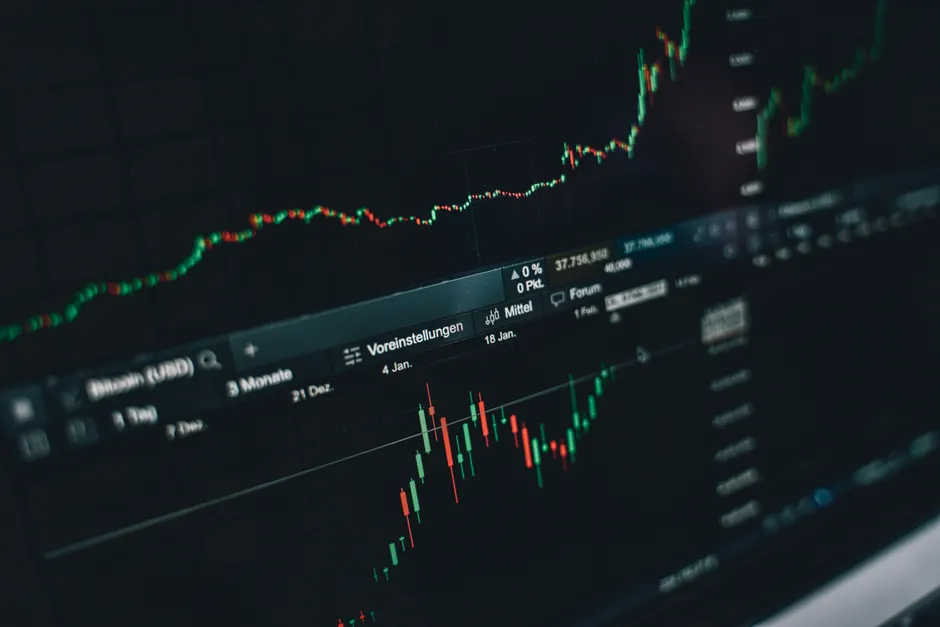
U.S. equities closed lower on July 21, 2026, with the Dow Jones Industrial Average dropping 307 points (0.6%), the S&P 500 falling 0.2%, and the Nasdaq Composite declining less than 0.1% after surrendering early-session gains. Wall Street Journal
The sell-off was not driven by a single catalyst but by two concurrent pressures that have been building across July: elevated crude prices feeding into inflation expectations, and growing unease around AI-related equity valuations. The WSJ's print headline captured both threads concisely: "Stocks Fall as Fears Persist Over Oil, AI." Wall Street Journal
Swissinfo's same-day markets wrap carried a parallel framing, leading with "Conflict Rattles Stocks, Bonds as Oil Holds Gains," confirming that the crude backdrop was the dominant cross-asset story for the session. Swissinfo The Rio Times' Latin America oil daily wrap, also published July 21, identified the global crude-oil backdrop as the biggest market driver. Rio Times
The oil-price context is worth tracing. On June 14, 2026, Iran lowered the official selling price for its light crude grade for Asian buyers to $7.15 per barrel above the Oman/Dubai average for July, a move that coincided with a reported U.S.-Iran peace deal and the reopening of the Strait of Hormuz. Reuters By June 30, Brent crude futures had settled at $72.92 a barrel, down 23 cents (0.3%), as investors focused on potential Iran-U.S. talks in Doha. Reuters The geopolitical de-escalation narrative from mid-June has not, evidently, translated into sustained downside in crude. By July 21, oil was described as "holding gains," suggesting that whatever supply concerns or demand-side resilience underpinned the rally remained in force weeks after the Hormuz reopening.
For the current trade date, CME Group listed price limits for Micro WTI Crude Oil Futures (MCLQ6) at 8249 and 825.0, and the API Weekly Oil Stocks report was scheduled for release at 03:30 PM CT on July 21, per the CME economic events calendar. CME Group CME Group The API data, while not a government inventory figure, typically sets the tone for Wednesday's EIA release and can move crack spreads and refining margins in the after-hours session. Participants watching WTI's micro contract for positioning signals ahead of that print had hard price-limit parameters to contend with.
The second leg of the equity drawdown came from technology positioning. On July 20, 2026, the Economic Times reported that hedge funds were dumping U.S. tech stocks at a record pace amid AI volatility. Economic Times That de-risking flow plausibly explains the Nasdaq's inability to hold its early bid. When levered participants reduce gross exposure in a concentrated set of megacap names, the index-level impact is amplified precisely because those names carry outsized index weights.
The bond market was not immune. Swissinfo's headline explicitly paired stocks and bonds as rattled, indicating that the risk-off impulse extended into duration. When both equities and fixed income sell off simultaneously, the usual flight-to-quality dynamic is absent, and the driver is typically a real-yield or inflation-expectation shock rather than a pure growth scare. Persistent oil strength is the textbook mechanism for that transmission: higher crude feeds into headline CPI with a lag, complicating the Fed's easing calculus and pushing nominal yields higher across the curve.
Looking at what this means for positioning, the two risk factors are interacting in a way that complicates hedging. Oil-driven inflation pressure makes rate-cut expectations less credible, which in turn pressures duration-heavy tech valuations through the discount-rate channel. That is a different mechanism from the AI-capex-cycle narrative that has dominated tech discourse, and it means participants cannot simply hedge the AI risk in isolation. A portfolio that is short duration to protect against oil-driven inflation is also short the growth-assets that have been carrying index returns.
The API inventory data released after the close will be the next concrete data point for the oil leg of this trade. For the equity leg, the question is whether hedge-fund de-grossing has exhausted itself or whether the Nasdaq's relatively shallow decline (less than 0.1%) reflects dip-buying absorbing the flow rather than a genuine stabilization. The S&P 500's 0.2% decline and the Dow's steeper 0.6% drop suggest breadth was narrow, with damage concentrated outside the megacap complex that buoyed the Nasdaq.