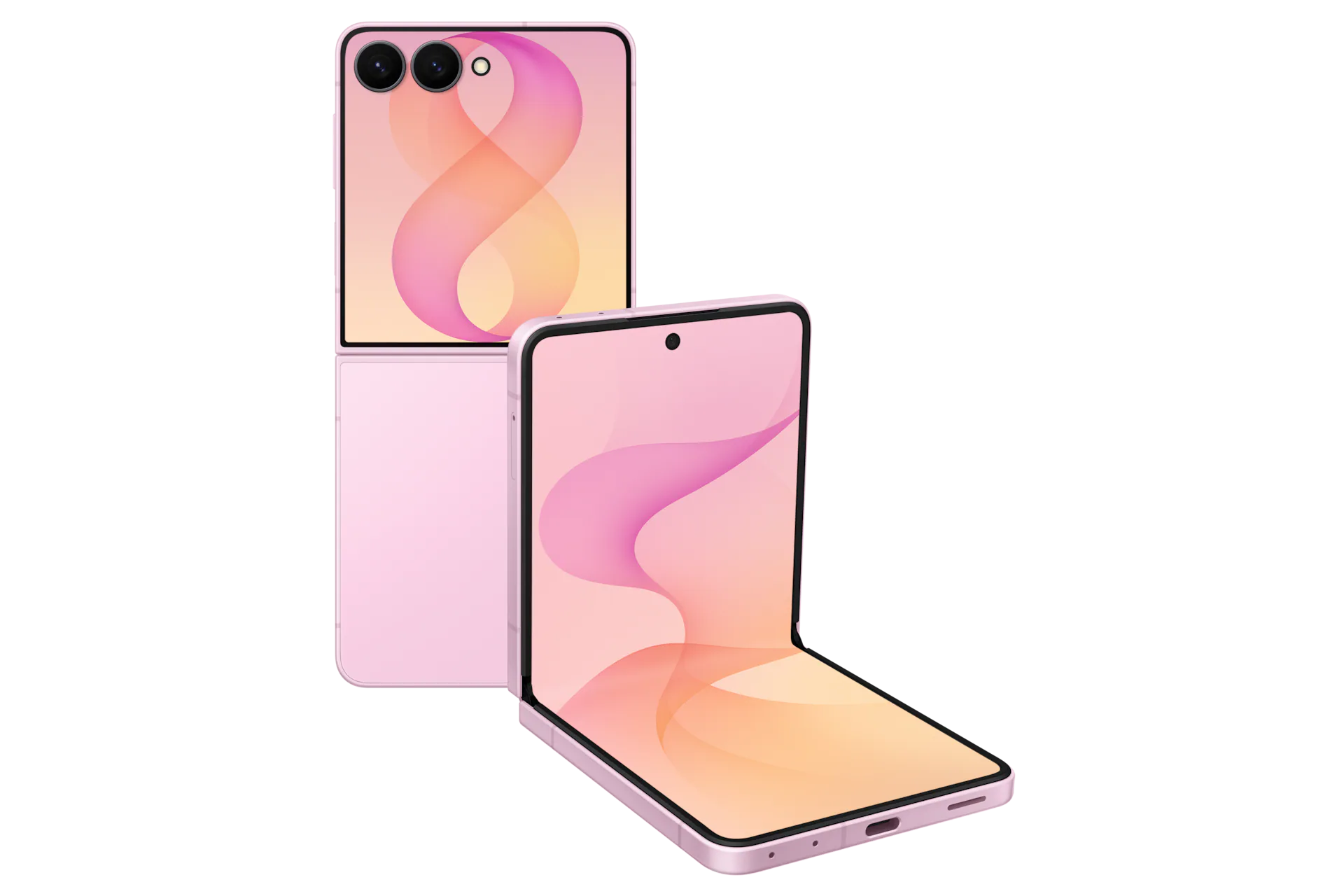
Samsung Galaxy Z Flip 8 vs. Motorola Razr Ultra: The Flip Phone Comparison That Matters

Samsung announced the Galaxy Z Flip 8 at Galaxy Unpacked on July 22, 2026, priced at $1,200 and available in 256GB and 512GB configurations. The device enters a flip-phone market that Motorola has been contesting since mid-May, when the Razr Ultra went on sale at $1,500 in a single 512GB trim. Engadget published a head-to-head comparison of the two devices the same day as Samsung's announcement, providing the first consolidated spec sheet for both phones side by side.
The display differences are immediate. The Z Flip 8's main screen is a 6.9-inch AMOLED panel running at 120Hz with a peak brightness of 3,000 nits. The Razr Ultra's main display is a 7.0-inch AMOLED at 165Hz and 5,000 nits peak. On the cover display, Samsung has extended its FlexWindow to 4.1 inches and enabled full native app functionality, meaning the external screen can run apps without requiring developer-side adaptations or standalone widget implementations. Motorola's cover display is 4.0 inches and runs at 165Hz.
In physical footprint, Samsung has the edge in slimness and weight. The Z Flip 8 weighs 180g, measures 6.1mm unfolded, and folds to 13.1mm. The Razr Ultra is 199g, 7.2mm unfolded, and 15.7mm folded. Both devices carry an IP48 rating, which covers water immersion up to 1.5 meters for 30 minutes but does not provide full protection against fine sand and dust.
The camera systems diverge significantly. Motorola ships three 50MP sensors: a LOFIC-sensor main camera, a 50MP ultrawide, and a 50MP selfie shooter, with support for 8K video recording. Samsung pairs a 50MP main with a 12MP ultrawide and a 10MP selfie camera, topping out at 4K/60fps video. Engadget's prior review of the Razr Ultra noted strong dynamic range, improved contrast, and reduced grain in still photography.
Motorola's material choices are more aggressive than Samsung's. The Razr Ultra offers a quilted Alcantara back on its Orient Blue model and a wood finish on the Cocoa variant. Samsung's color palette is more conventional: Graphite, Cream, Pink, and Mint. On storage, the Z Flip 8's 256GB entry point gives it a lower floor, while the Razr Ultra ships exclusively in 512GB. Leaked European pricing for the Z Flip 8 puts it at EUR 1,299, per a July 19 report from Gadgets360.
Motorola markets the Razr Ultra as the "largest battery flip phone," though the verified comparison does not specify capacity figures for either device. The Razr Ultra was released on May 14, 2026, and has been available for over two months ahead of the Z Flip 8's launch. In the UK market, the same device is branded and sold as the "motorola razr 70 ultra."
Looking at what these numbers mean in practice, the Z Flip 8's value proposition centers on a $300 price gap, a lighter and thinner chassis, and the FlexWindow's full app support at a slightly larger cover-display size than Motorola's. The Razr Ultra counters with a higher-refresh-rate main panel, substantially higher peak brightness, a more aggressive camera array, and premium material options that Samsung does not match in this generation.
The camera gap is the most consequential differentiator for buyers who prioritize imaging. A 50MP ultrawide and selfie shooter, combined with 8K recording, puts the Razr Ultra in flagship-flat-phone territory. Samsung's 12MP ultrawide and 10MP selfie are serviceable but clearly a tier below on paper. Whether Samsung's computational pipeline closes that gap in real-world output is a question that will require hands-on testing of the Z Flip 8.
The cover-display story is more nuanced. Samsung's decision to enable full native app functionality on a 4.1-inch FlexWindow is a meaningful software commitment, potentially reducing the friction that has historically made flip-phone cover screens feel like glorified notification panels. Motorola's 4.0-inch panel runs at a higher refresh rate, but the verified facts do not indicate equivalent full-app support.
For buyers weighing the two today, the calculus is straightforward. The Razr Ultra is available now, offers stronger display and camera hardware, and commands a premium for it. The Z Flip 8 undercuts it by $300, is meaningfully lighter and thinner, and gambles on software-driven cover-display utility to compensate for lower-spec hardware in other areas. Both devices share the same IP48 durability rating and neither offers expandable storage, so the storage configuration chosen at purchase is final.
The flip-phone category has moved past the experimental phase. These are no longer first-generation devices with visible compromises in hinge durability or display crease. The spec gap between the two competitors is narrow enough that price, weight, and cover-display software may matter more to most buyers than raw megapixel counts or peak brightness figures.