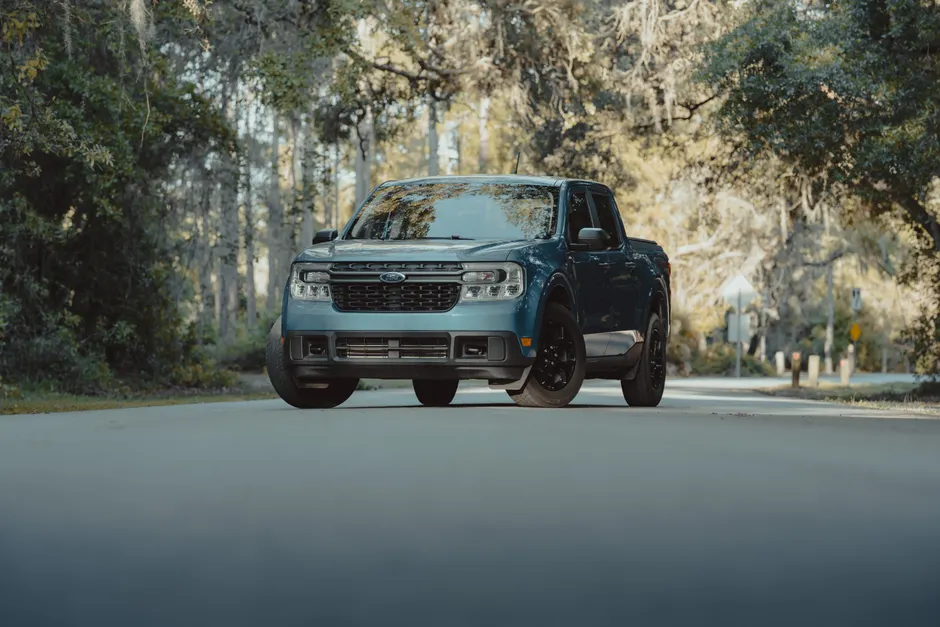
Ford Embeds Apple Maps Into UEV Platform, Deepens BlueCruise Collaboration
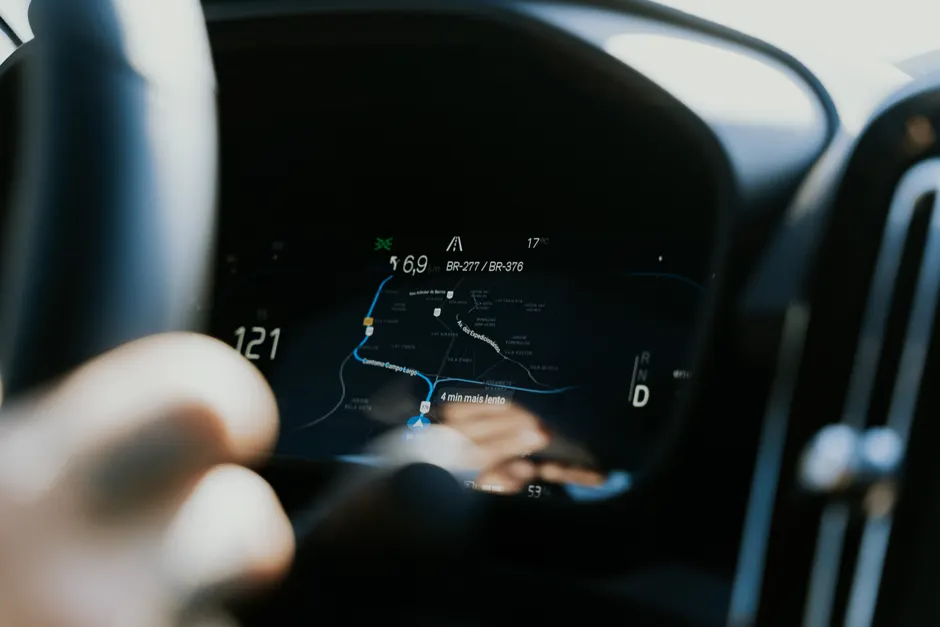
Ford announced on July 23, 2026 that it will embed Apple Maps directly into its Universal Electric Vehicle (UEV) Platform, making Apple's navigation stack a first-party system feature rather than a CarPlay projection. The first vehicle built on the UEV Platform will be a midsize pickup truck priced at $30,000, scheduled for release in 2027 (The Verge).
The embedded Apple Maps implementation will deliver turn-by-turn directions using natural language input, real-time traffic and incident data, intuitive search with detailed place cards, and multiple routing options. Crucially, drivers will not need an iPhone paired to the vehicle to use the embedded Apple Maps system. CarPlay will remain available in Ford vehicles alongside the native Apple Maps integration (The Verge).
On the electric-vehicle side, the UEV Platform will leverage Apple Maps for intelligent EV routing, including battery preconditioning. This ties thermal management to route data, pre-warming the battery ahead of fast-charging stops to reduce charging time. The integration means Ford is relying on Apple's map data layer not just for consumer-facing navigation but as an input for vehicle-level energy management (The Verge).
The partnership extends into driver-assistance territory. Ford is working with Apple to build the next generation of its BlueCruise system, which will use road-level information from Apple Maps to power hands-free highway driving from on-ramp to off-ramp. Ford's Latitude AI team is separately developing an eyes-off unsupervised driving system that the company expects to be ready in 2028 (The Verge).
The architecture described places Apple Maps data in the critical path for both navigation and ADAS functionality. For BlueCruise, road-level map data serves as a spatial prior that constrains the operational design domain. The hands-free, on-ramp-to-off-ramp capability Ford describes depends on high-precision lane-level mapping to complement the vehicle's onboard sensor suite. The fact that Ford is sourcing this layer from Apple, rather than building it entirely in-house or relying on a specialist HD-mapping vendor, is a notable structural choice for an OEM pursuing L2+ and eventually L3 autonomy.
The decision to embed Apple Maps without requiring a connected iPhone is the part that caught my attention. It signals that Apple is licensing its maps stack as a platform-level component to an automaker, not merely extending the iPhone's screen-mirroring reach. CarPlay remains available, but the embedded system is the default navigation layer. If Ford ships this at a $30,000 price point on a mass-market pickup, Apple Maps will be running natively in vehicles owned by people who may never own an Apple phone.
This is not the first time an automaker has turned to a hyperscaler or consumer-tech company for navigation infrastructure. But the scope here, spanning consumer routing, EV thermal management, and driver-assist map data, is broader than a navigation-license deal. The UEV Platform is Ford's dedicated electric-vehicle architecture, and Apple Maps is being woven into its operational fabric from the ground up rather than bolted on as a head-unit feature.
The 2028 target for Ford's eyes-off unsupervised driving system, developed by Latitude AI, sets a timeline that is aggressive but not unprecedented. The use of Apple Maps road-level data in the next-generation BlueCruise system suggests a phased approach: enhanced L2+ hands-free driving first, with the unsupervised system following on a parallel development track.
What remains to be watched is how tightly Apple Maps data quality and freshness are governed under this arrangement, and whether the road-level information feeding BlueCruise meets the reliability bar that ADAS-grade applications require. Navigation-grade map data and ADAS-grade map data live at different precision tiers. Ford is betting that Apple's mapping infrastructure can serve both.
The $30,000 midsize pickup arriving in 2027 will be the first concrete test of whether that bet pays off.