Mobileye Founder Amnon Shashua to Step Down as CEO After 27 Years
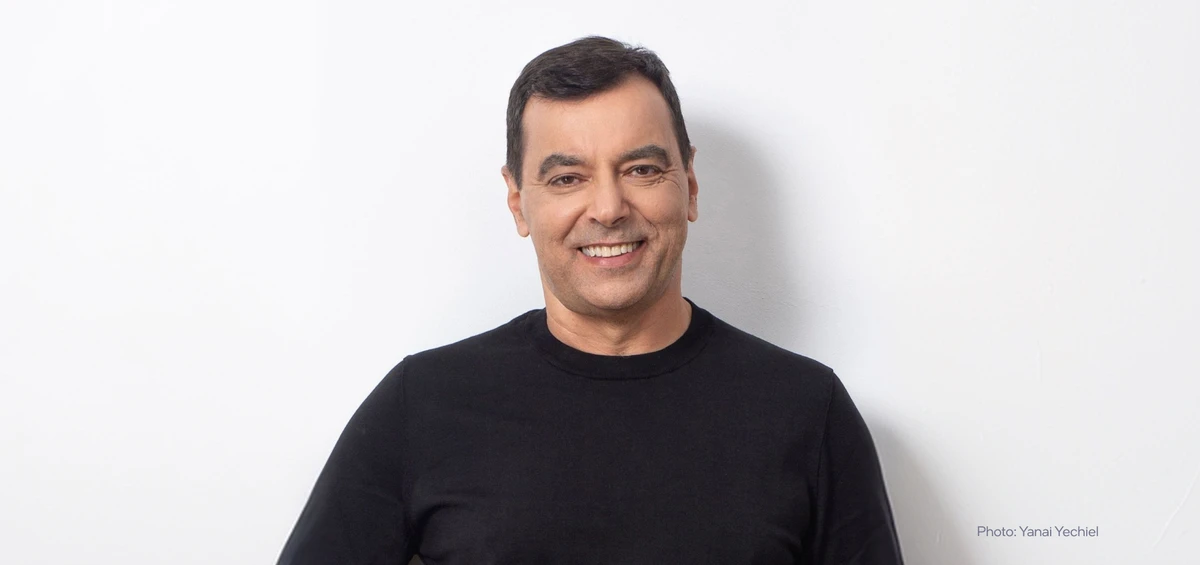
Amnon Shashua, founder and CEO of Mobileye, has informed the company's Board of Directors of his intention to step down from the chief executive role after 27 years building the Israeli autonomous-driving technology firm into a global leader (Mobileye). The transition was disclosed in an SEC regulatory filing on July 23, 2026 (TechCrunch).
Shashua will remain CEO until Mobileye hires a replacement, according to the filing. He will stay on the board of directors after stepping down and has been offered the chairman role (StockTitan). The company has not publicly named a successor or detailed a search timeline.
Mobileye shares fell 15% in early trading on July 23, 2026, following the announcement (Reuters).
Shashua founded Mobileye on the basis of his academic research in computer vision at Hebrew University in Jerusalem. The company built its early business on computer vision chips for advanced driver-assistance systems, growing into a major Tier 1 supplier before executing what was, at the time, the largest IPO in Israel's history (TechCrunch). Intel acquired Mobileye in 2017 for $15.3 billion and spun it back out as a publicly traded company in 2022, retaining its position as the largest shareholder (TechCrunch).
Under Shashua's leadership, Mobileye moved beyond ADAS silicon into full autonomous driving systems. The company now supplies its self-driving stack to Volkswagen and its MOIA ride-pooling subsidiary (TechCrunch). In June 2026, Mobileye said it would launch its own robotaxi service in a U.S. city in 2027 (TechCrunch).
The company has also pushed into adjacent robotics territory. In January 2026, Mobileye acquired Mentee Robotics, a humanoid robotics startup founded by Shashua, for $900 million (TechCrunch). Shashua described the acquisition as part of "Mobileye 3.0," his term for the company's next phase focused on robotics and automotive AI (TechCrunch).
The leadership transition arrives at an inflection point for Mobileye. The company is simultaneously executing on a robotaxi launch, integrating a humanoid robotics business it paid nearly a billion dollars for, and competing against well-capitalized entrants in autonomous mobility. Whoever replaces Shashua inherits a roadmap that now spans ADAS silicon, full self-driving systems, commercial robotaxi operations, and embodied AI.
The 15% share-price drop signals that investors are pricing in execution risk. Founder departures at deep-tech companies carry a particular weight: the founder's technical vision, institutional knowledge, and relationships with OEM partners are not easily transferable. Shashua staying on as chairman, if he accepts the offer, would preserve some continuity. But the operational question of who runs Mobileye day-to-day through its most ambitious expansion remains open.
Shashua had been scheduled to deliver Mobileye's annual CES press conference address on January 6, 2026, at 1:45 p.m. (Mobileye IR), indicating he was still functioning as the company's public-facing leader as recently as seven months before announcing his transition plan.
What the "Mobileye 3.0" framing suggests is that Shashua sees the company's expansion into robotics and autonomous mobility as a distinct chapter, one that may benefit from operational leadership separate from its founding era. Whether that bet pays off will depend on execution details Mobileye has not yet disclosed: who the next CEO is, how quickly they are installed, and whether the robotaxi and robotics initiatives hit their milestones under new leadership.


