Over 300,000 Evacuated as Wildfires Engulf France and Spain

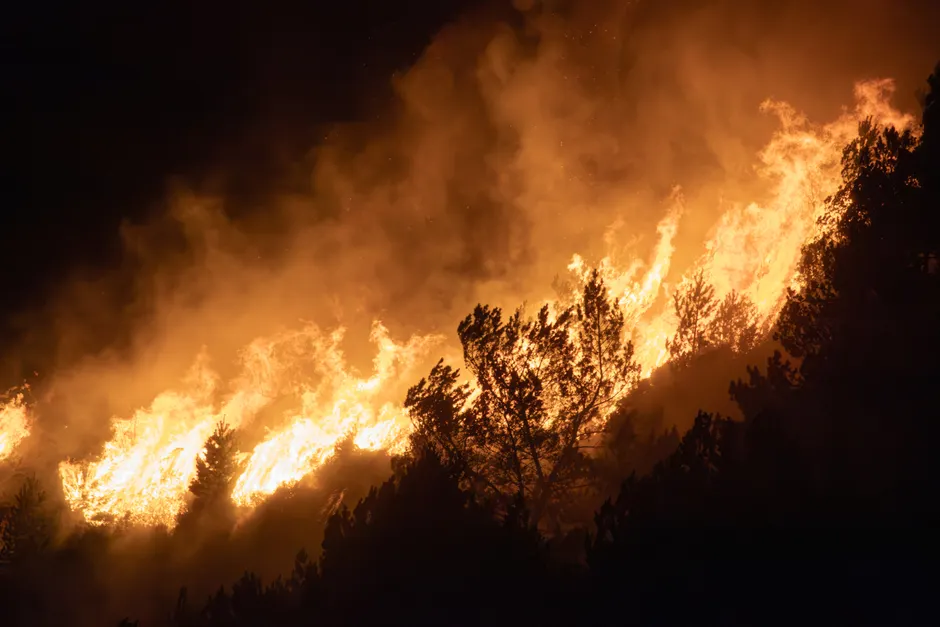
More than 300,000 people were evacuated from homes and holiday accommodation across France and Spain by Sunday, 26 July 2026, as concurrent wildfires tore through both countries, destroying houses and killing at least one person in eastern Spain (The Guardian).
Fresh evacuation orders were issued around Bordeaux and Madrid on 26 July, with Spanish authorities ordering new evacuations near Toledo, south-west of the capital. Authorities warned of another difficult night ahead as major fires continued to burn in both countries. Evacuees slept on camp beds in exhibition halls and gymnasiums after fleeing the flames.
The scale of the French evacuation has been described as one of the largest peacetime civilian evacuation operations ever carried out in the country. In Gironde alone, the prefecture triggered the FR-Alert system on 24 July for the immediate evacuation of populations due to the rapid progression of a forest fire. Preventive evacuations across the communes of Le Porge, Saumos, Le Temple, and Lège-Cap-Ferret concerned nearly 20,000 people (Gironde Prefecture). The Gironde prefecture also reported the evacuation of the Gressier beach at Le Porge involving 600 vehicles, and the evacuation of the Le Porge Lauros neighborhood involving 600 people who were redirected.
The largest wildfire in France, near Arcachon Bay and the Cap-Ferret peninsula in Gironde, had burned more than 8,700 hectares according to the Gironde prefecture (Reuters). Forty-two firefighters were injured in the Gironde operations, with nine evacuated in relative urgency (urgence relative) (Gironde Prefecture). By 23 July, nearly 40,000 people had been evacuated across Gironde and Landes departments combined.
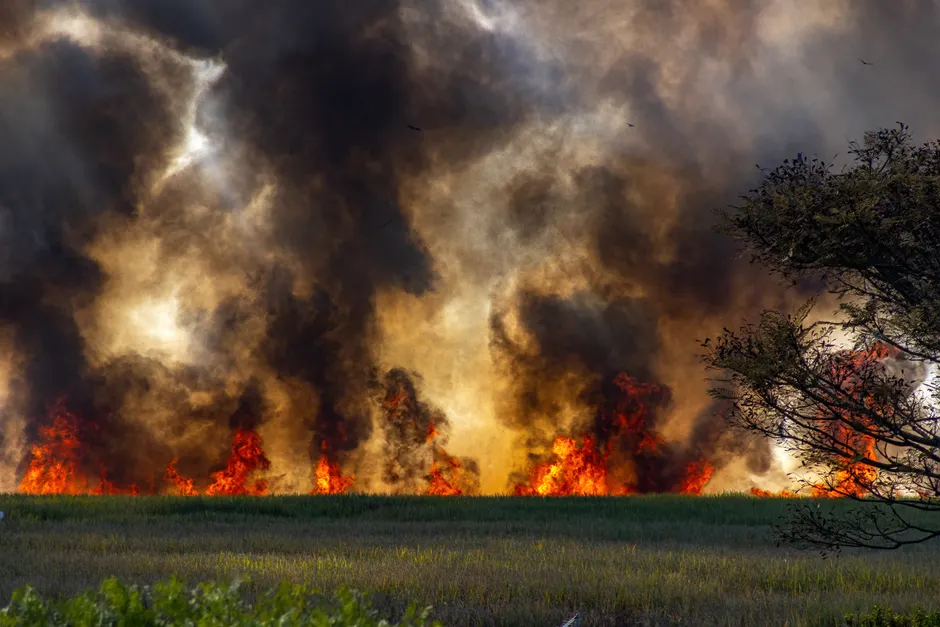
The Gironde fire service reported that the wildfire generated a rare pyrocumulonimbus cloud, a phenomenon in which intense heat from the blaze creates its own weather system, producing self-generated winds and whirlwinds that made the fire erratic and unmanageable. This is a meteorological development that significantly complicates suppression efforts, as the fire's behavior becomes driven by convection columns rather than ambient weather conditions alone.
The crisis in France extends well beyond Gironde. A major wildfire began on 12 July in the Fontainebleau forest in Seine-et-Marne, burning approximately 10% of the forest and prompting the evacuation of roughly 167,000 people according to the Interior Ministry's report dated 24 July (French Interior Ministry). Wildfires have been affecting multiple departments in southern France since 1 July, with nearly 3,000 people evacuated in coastal communities and rural areas by 2 July (Euronews). On 7 July, Météo-France placed 61 departments on high fire risk (risque élevé de feux) and three departments on very high fire risk.
In Spain, Protección Civil reported 188 people evacuated in Grazalema (Cádiz) due to a forest fire on 12 July. The agency had earlier issued an alert on 3 July for very high and persistent temperatures starting 5 July, with temperatures of 35 to 37°C expected in Rías Baixas, and warned that forest fire risk would remain very high or extreme across almost all of Spain in the coming days. Spanish Civil Protection monitoring reports documented fires across multiple regions earlier in the year, including Luena (Cantabria), Totana (Región de Murcia), Ponteareas (Pontevedra, Galicia), and Murcia.
The evacuee count climbed rapidly in the final days of the crisis. Reuters, datelining its report from Bordeaux and Madrid on 25 July, confirmed that hundreds of thousands had been evacuated across both countries (Reuters). Al Jazeera placed the figure at more than 267,000 on the same date, while CNN reported more than 250,000. By 26 July, The Guardian's figure exceeded 300,000, reflecting the ongoing expansion of evacuation zones.
The broader context here is a wildfire season that began earlier than usual and has placed unprecedented strain on civil protection infrastructure on both sides of the Pyrenees. The Fontainebleau fire alone forced the evacuation of a population comparable to a mid-sized French city. The appearance of a pyrocumulonimbus cloud in Gironde points to fire intensity levels that overwhelm conventional suppression tactics. The combination of pre-positioned meteorological warnings from both Météo-France and Protección Civil, the geographic spread from Seine-et-Marne to Cádiz, and the sustained multi-week duration of these fires suggests that European fire management authorities are confronting conditions that strain even the most experienced emergency response frameworks. Houses have been destroyed in both countries, and with authorities warning of further difficult conditions, the operational picture remains fluid.