Outernet Turns Saved Social Posts Into Real-World Plans
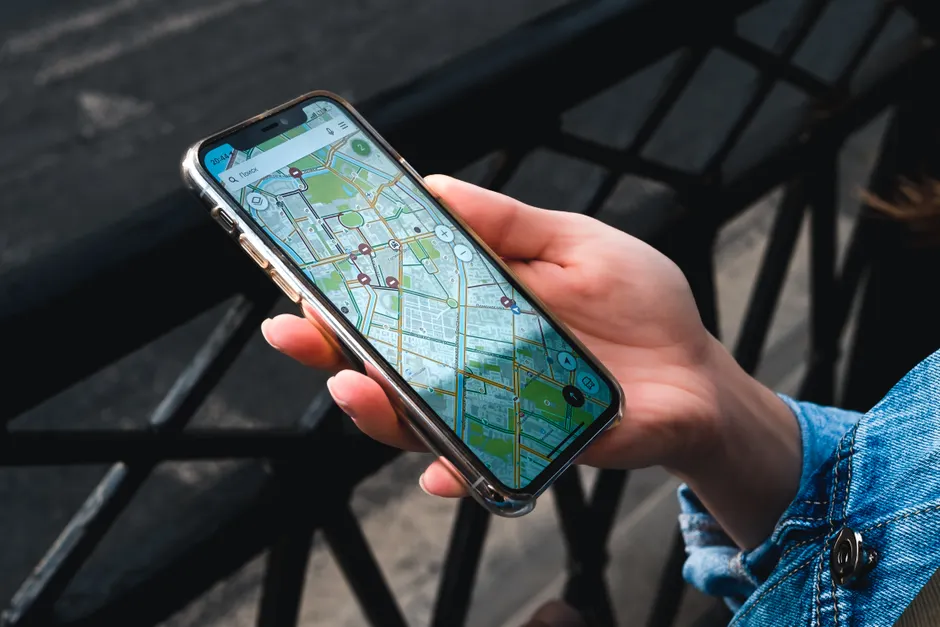
Startup Outernet, founded by Danielle Egan and Athena Leong, has launched an app that collects saved online posts about local events, restaurants, bars, and landmarks and converts them into structured to-do lists for exploring the physical world. TechCrunch covered the launch on August 3, 2026.
The app's name inverts its premise: use the internet as a tool to get outside. Egan described the company's thesis as becoming the "motivation engine for IRL," removing friction between wanting to do something and actually going out to do it.
Users can save posts through three input methods. They can tap the share sheet in source apps like TikTok or Instagram, paste a social media or website URL directly into Outernet, or upload a photo such as a flyer. The app then uses AI to extract relevant structured data from each saved item, pulling date, time, location, and details about the activity or venue. Dated events land in a chronological feed. Undated activities and places are organized into separate tabs within the app. Users can export events to Apple or Google Calendar or view saved items on Outernet's own map. The app also sends proactive reminders and nudges to encourage users to follow through on what they have saved.
The official website, outernetexplorer.com, carries the tagline "go outside and explore!" and describes the app as offering one-tap import of places and events from social media and websites. The app is listed on the Apple App Store, where the listing describes Outernet as "creating a new type of internet use" that helps users save and organize the places and events they want to check out.
Egan previously worked in product BizOps at LinkedIn. Before founding Outernet, Egan and Leong built a track record of organizing unconventional real-world events: a citywide scavenger hunt in San Francisco, a viral prank turned into an exclusive NYC restaurant for a single night, and a "sit club" where participants bring chairs to socialize.
Outernet operates in a category that includes competitors Albo, Tabi, and Plotline, all of which aim to bridge the gap between online discovery and offline activity. The competitive landscape is early-stage, with each app approaching the problem from a slightly different angle.
One thing worth noting for anyone searching for the app: there is a separate, unrelated entity at outernet.com, a London-based immersive media venue that markets B2B brand and product launch experiences and immersive screens. That organization has no connection to the Outernet consumer app covered here.
The broader pattern Outernet addresses is one that anyone with a social media habit will recognize. Users save posts constantly: a screenshot of a restaurant recommendation, a TikTok about a street fair, an Instagram story about a pop-up market. The saved items accumulate across platforms and are rarely revisited. The intent-to-action gap is where discovery platforms generate engagement but offload the organizational burden entirely onto the user.
Outernet's approach is to treat that gap as the actual product. The AI extraction layer does the heavy lifting of parsing unstructured social posts into structured calendar entries and map pins. The nudges address the second half of the problem, the one that no bookmarking tool has ever solved: people save things they want to do and then forget they saved them. Whether proactive reminders meaningfully change follow-through rates is an open question, and one the app's early adoption data will eventually answer.
The founders' background in organizing real-world events is not incidental to the product. A scavenger hunt, a one-night restaurant, a sit club: each required taking something that existed as an idea or online signal and converting it into a time-bounded, location-specific gathering. Outernet attempts to productize that same conversion at scale, turning the passive archive of saved posts into an active itinerary. The app's success will depend on extraction accuracy across the heterogeneous formats of TikTok captions, Instagram posts, event flyers, and arbitrary URLs, and on whether nudges can overcome the inertia that defeats most todo systems.