Gold Steadies as Trump Holds Off Iran Strike, Easing Oil-Inflation Pressure on Rate Path
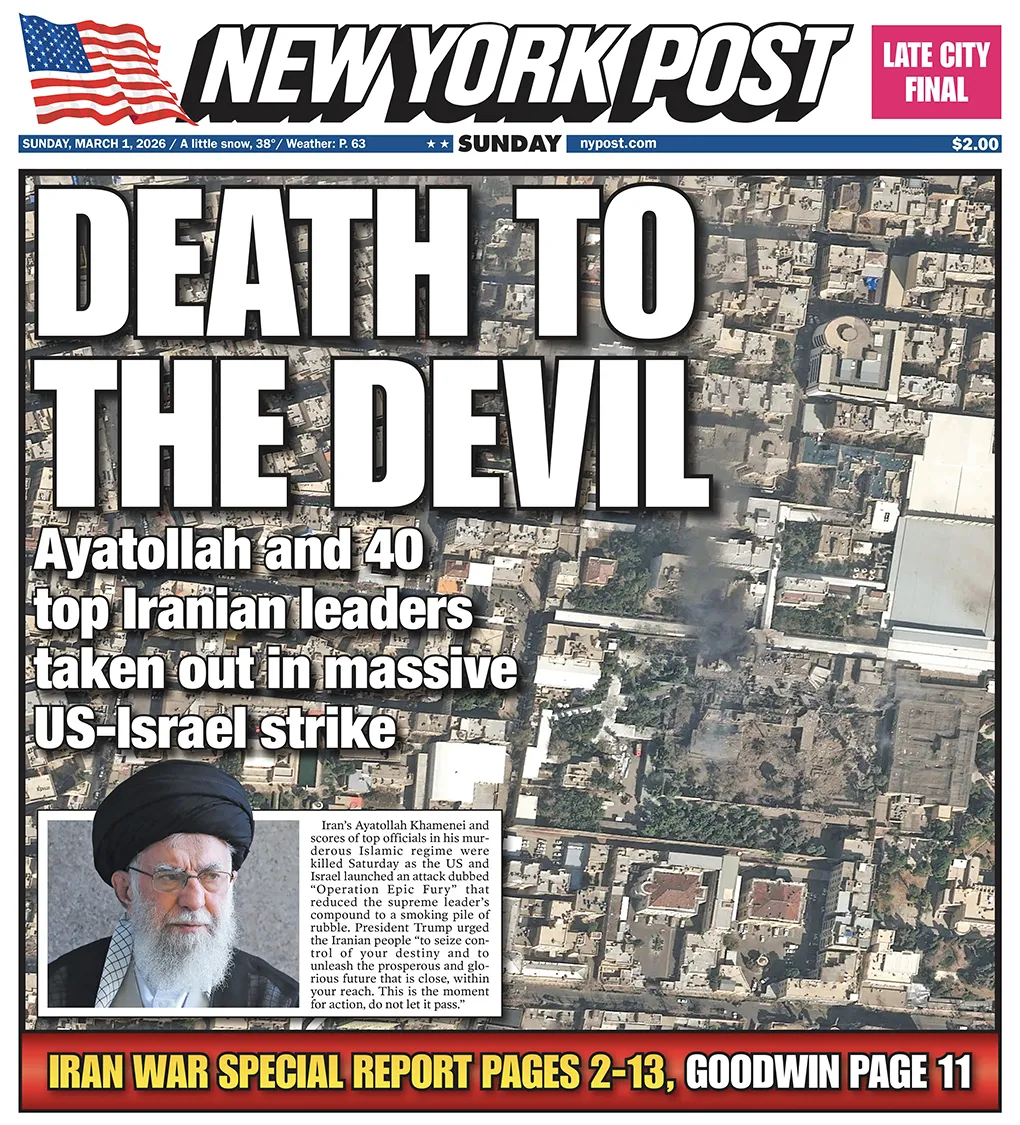
Spot gold steadied on August 3, 2026, after President Trump held off a military strike against Iran, a decision that slumped oil prices and eased the energy-driven inflation concerns that had been pushing traders toward rate-hike bets. Reuters reported the move on August 4, noting that Brent futures had jumped more than 20% in the prior month after fighting between the U.S. and Iran resumed and attacks targeted several tankers around Oman.
The de-escalation rewired the inflation calculus that has dominated gold trading for months. Bloomberg reported on August 3 that gold advanced as the prospect of an interim deal to reopen the Strait of Hormuz eased inflation concerns, prompting traders to pare back bets on interest-rate increases. A day earlier, Bloomberg noted gold had fluctuated as traders weighed the Federal Reserve's interest-rate path after cooling Middle East tensions alleviated energy-driven inflation worries.
This is the latest pivot in a year where gold has been whipsawed by the interplay between geopolitical risk premiums and the Fed policy response. The metal's 2026 trajectory traces a clear arc: safe-haven demand peaked in early March, then gave way as rate expectations hardened.
On March 6, spot gold was up 1.4% at $5,149.14 per ounce, driven by Middle East conflict spurring safe-haven demand, though it finished that week down 2.4%. Two days earlier, on March 3, spot gold had fallen 3.6% to $5,137.00, with U.S. gold futures settling 3.5% lower at $5,123.70. By March 31, spot gold had dropped to $4,652.31, up 3.2% on the day but marking its worst month in more than 17 years as U.S. rate-cut hopes faded. U.S. gold futures settled 2.7% higher at $4,678.60 that session.
The pattern repeated through the spring. On May 19, Bloomberg reported gold advanced as optimism around U.S.-Iran efforts to end the conflict eased bets on higher-for-longer rates. On May 25, bullion reversed, slipping as much as 1.9% as military strikes in the Persian Gulf dimmed peace-deal hopes and the dollar climbed. Three days later, on May 28, gold rose after reports that Iran and the U.S. had reached a tentative deal to extend a ceasefire and work toward ending the conflict.
By June 12, spot gold was at $4,227.17, up 0.3% on the day but down 2.3% for the week, weighed by inflation and rate-hike fears.
Looking at the mechanics driving this, the trading pattern is straightforward in structure if not in magnitude. When Middle East tensions escalate, oil rises, inflation expectations rise, and the market prices in a more hawkish Fed. Gold initially catches a safe-haven bid, but the combination of a stronger dollar and higher real-rate expectations eventually caps or reverses the move. When tensions ease, the inverse plays out: oil slumps, inflation concerns recede, rate-hike bets get pared, and gold finds support from the dovish pivot, even as the safe-haven premium deflates. The net direction depends on which effect dominates, and throughout 2026 that balance has shifted with each headline.
For context, gold's rise predates the 2026 Middle East flare-up. On August 4, 2025, spot gold rose 0.3% to $3,372.15 per ounce, its highest level since July 24, on U.S. rate-cut expectations. The roughly $1,800-per-ounce gain from that August 2025 level to the March 2026 peak near $5,149 reflects the cumulative impact of geopolitical risk, central-bank accumulation, and the evolving rate path.
The current moment places gold at an inflection. Trump's decision to hold off the Iran strike has removed the immediate escalation premium from oil, and the prospect of a Strait of Hormuz interim deal directly attacks the energy-inflation transmission channel that had been tightening financial conditions. If the Strait reopens and tanker attacks cease, the disinflationary impulse from falling oil could give the Fed room to pause or pivot, which would be structurally supportive for gold despite the loss of the geopolitical bid.
The risk is symmetric. The tentative ceasefire framework between the U.S. and Iran has broken down before. Military strikes in the Persian Gulf on May 25 wiped out gains built on peace-deal optimism in a single session. Traders are pricing de-escalation, but the position is conditional on a ceasefire that has proven fragile. Gold's stability on August 3, rather than a sharp directional move, suggests the market is weighing both the disinflationary tailwind from lower oil and the possibility that the current calm does not hold.