Why Oil Prices Are Rising Over Iran and the Strait of Hormuz
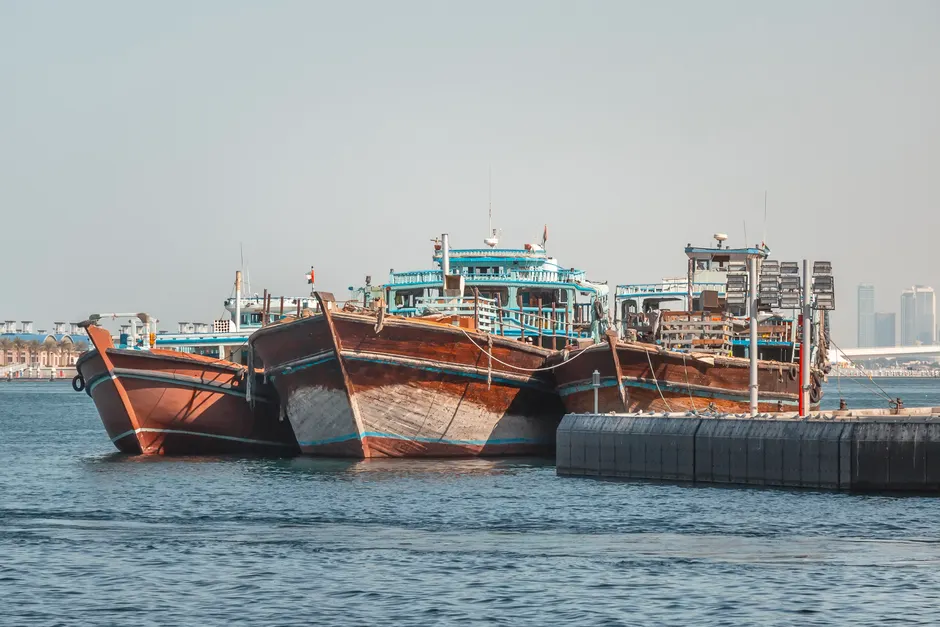
Oil prices climbed on August 10, 2026, after Iran made new demands about reopening the Strait of Hormuz, dimming hopes for stability at a shipping route that handles about one-fifth of the world's daily oil supply (Al Jazeera).
The Strait of Hormuz is a narrow strip of water between Iran and Oman. A huge share of the world's oil travels through it on ships called tankers. When anything threatens that route, oil buyers get nervous and prices tend to rise.
The August 10 increase extended a bumpy week. On August 7, Brent crude — a key oil price benchmark — settled at $83.55 a barrel, up $1.06 (1.3%). West Texas Intermediate, or WTI, another major benchmark, settled at $78.18, up 89 cents (Reuters). That same day, prices jumped more than $3 a barrel after Iran's legislature began reviewing a bill to ban U.S. and Israeli ships from the Strait. The end of the Iran war had already pushed prices up about $1 a barrel earlier that day.
Just two days before, prices were much calmer. On August 5, Brent settled up 9 cents at $79.45, while WTI fell 55 cents to $75.22 (Reuters). So in two days, Brent gained more than $4 a barrel.
The important thing to understand is that oil and gas kept flowing through the Strait the whole time. No actual disruption happened. Iran's Foreign Ministry said as far back as March 2026 that the Strait is open and shipping traffic has not been interrupted (Iran MFA). Spokesman Esmaeil Baghaei also dismissed media reports claiming the Strait was closed (Iran MFA). And liquefied natural gas supplies continued through the Strait during the August tensions (Reuters).
Think of it like paying more for home insurance after hearing about a nearby fire, even if your house is fine. Traders are adding a few extra dollars per barrel to the price of oil because they are worried about what could happen, not what is happening.
This pattern goes back further than August. The Congressional Research Service reported that oil prices rose 50% between February and May 2026 as security concerns around the Strait developed (CRS). On July 14, the U.S. reimposed a naval blockade on Iran, and oil rose about 2% to a one-month high (Reuters). On July 31, Iran said it stopped two ships trying to leave the Strait, and prices rose again (Reuters).
Diplomacy has not stopped. Iran and Oman kept talking about the Strait, focusing on the U.S. naval blockade and what Iran calls threatening U.S. actions (Iran MFA). Those talks briefly raised hopes earlier in the week before Iran's legislative push to ban U.S. and Israeli ships pushed prices back up.
The central tension here is the gap between what is actually happening and what the market fears. Brent at $83.55 reflects worry, not a shortage. Oil and gas are still moving through the Strait. Tanker traffic has not stopped. But the bill being reviewed in Iran's legislature creates a new kind of risk that did not exist a week ago, and markets are reacting to that possibility.
The key thing to watch is whether that bill becomes law and whether Iran tries to enforce it. Iran already showed it can act on its own when it stopped two ships on July 31. A formal ban on U.S. and Israeli ships would be a step up in legal terms, though actually enforcing it is a separate question.
The bigger picture is that because so much of the world's oil passes through the Strait, any threat to it tends to push prices up. The 50% price rise from February to May shows how jumpy the market has been all year. Today's risk premium is building on top of a price level that was already elevated.


