A Former Politician Is Accused of Shooting a Local Official in Thailand — and He Talked About It Online
A former member of Thailand's parliament, Chalong Reawraeng, is accused of shooting and killing Thongchai Yenprasert, the head of a local government office in Nonthaburi province, on August 10, 2026, according to the BBC Source: BBC.
Thongchai was a retired police colonel who led the local government body, called the Provincial Administrative Organisation, or PAO — essentially a council that runs local services and development. He was shot in the neck. Rescue workers tried CPR at the scene and took him to hospital, where he died Source: The Star. Thongchai's driver was also shot in the arm and hand Source: BBC.
Chalong, who also uses the name Chalong Riewrang, admitted to the shooting during a phone call to a YouTube livestream. The host of the livestream was a political commentator named Anchalee Paireerak. Chalong told her directly that he had shot Thongchai, which meant the public heard his admission as it happened Source: BBC.
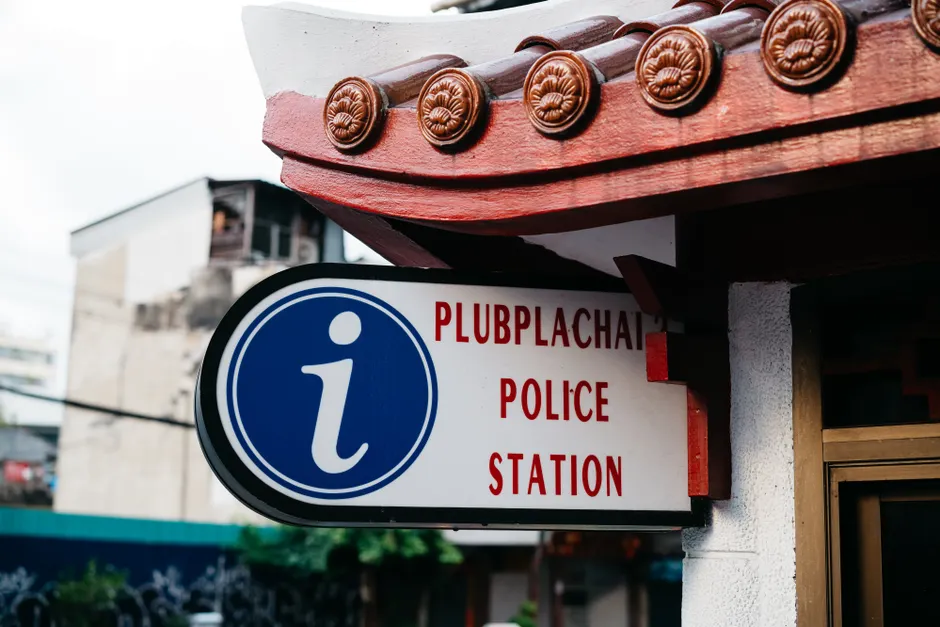
After police arrested him, Chalong gave a press conference from inside a police station. He smoked a cigarette while he talked. He called Thongchai a "good friend" who had been "angry" at him. Chalong said he did not mean to shoot him. He said he only fired because Thongchai's driver pulled out a gun and pointed it at him first Source: BBC.
The broader context here involves three things coming together: social media letting a suspect tell his side of the story right away, the complicated relationships between politicians and local officials in Thailand, and the strange sight of a suspect giving a press conference while still in police custody.
In Thailand, politicians and commentators often use social media to talk directly to the public instead of going through official channels. By calling a YouTube livestream to admit what he did, Chalong was able to share his version of events before police had even filed formal charges or issued a statement. It is a bit like someone calling a radio show to explain themselves before the legal process has started — the public got his story immediately and without any filter.
In Thailand, former national politicians and local government leaders sometimes compete for influence. Thongchai held a powerful job running the PAO. Because he was also a retired police colonel, both men likely moved in circles where political power and security connections overlap. Chalong's claim that the driver drew a gun first is a version of events that will matter a lot if the case goes to court — it is his claim of self-defense.
The press conference was also unusual. Normally, someone arrested for a serious crime is not allowed to speak freely to reporters before going to court. Seeing Chalong smoke and talk casually to the press from a police station is very different from that standard approach, and it raises questions about how Thailand handles high-profile criminal cases.
The case will now depend on physical evidence and witness accounts that either back up or contradict Chalong's story about the driver. The Thai legal system will have to sort through what Chalong said publicly and what the investigation finds. For anyone watching Thai politics, this is a stark example of how personal and political disputes can turn violent — and how today's media captures every moment of what follows.