Dell's New XPS 13 Laptop Is Cheap — But a Lot Slower Than Before

Dell's 2026 XPS 13 laptop starts at just $599 for students ($699 for everyone else), but it comes with only 8GB of memory and a slower processor than the 2024 version. According to Engadget's review, the new machine is effectively an "XPS Neo" variant — a product built with cut corners to reach that low price.
The slowdown is not small. In Engadget's testing using Geekbench 6, a standard tool that measures how fast a computer handles tasks, the 2024 XPS 13 with a Snapdragon X Elite chip was nearly twice as fast as the 2026 model at graphics. The 2024 version with an Intel Core Ultra 7 155H chip was three times faster. Both of those older chips were far more powerful than the Intel Core 5 320 processor Dell now uses in the base 2026 unit.
The price explains the downgrade. Dell announced the new XPS 13 at CES 2026 in January, calling it "the thinnest and lightest XPS laptop ever, offered at the most accessible XPS price yet." A Dell blog post from May 31 confirmed $599 for students and $699 standard, with Intel Core Series 3 processors. The XPS 13 had been Dell's best-known premium laptop for over a decade. The 2026 model is designed to compete with Apple's MacBook Neo, not to continue the premium line.
Compared to that MacBook Neo, the XPS 13 has some real advantages. It comes with 512GB of storage versus the Neo's 256GB. Its screen refreshes 120 times per second (which makes scrolling and video look smoother) at 1440p resolution, and is bright enough to use in direct sunlight. The Neo's screen refreshes only 60 times per second. The XPS 13 can be upgraded to 32GB of memory and 1TB of storage, per Dell's product page, and Dell claims up to 17 hours of streaming battery life. The MacBook Neo cannot be upgraded past 8GB of memory without jumping to the $1,299 MacBook Air.
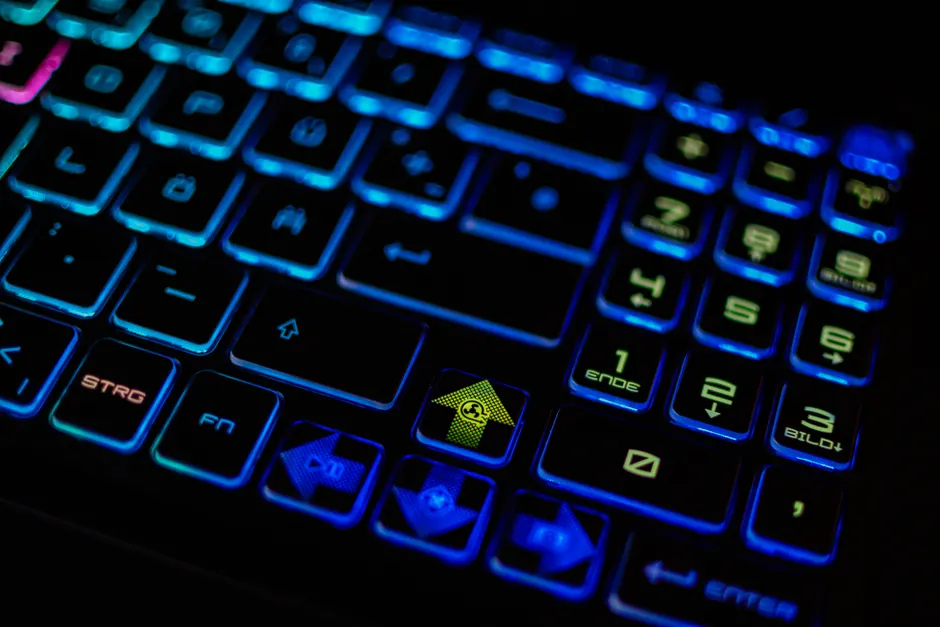
But the XPS 13 has its own problems beyond the slower chip. The trackpad does not respond to clicks in its top third — a frustrating flaw on any laptop. Dell has, however, gone back to traditional raised keys, fixing a keyboard design from recent XPS models that many people disliked. The XPS 14 (2026) review from March said that model "excels at almost everything except typing," so the new keyboard design on the 13 may address a long-standing complaint.
The broader context is that Dell redesigned the entire XPS family for 2026. A blog post titled "This is XPS Now" published January 5 announced the reimagined lineup. The XPS 16 (2026) review from March called it a strong premium laptop with a beautiful OLED screen. The XPS 14 was also praised for its screen and design. Both larger models did well. The XPS 13, aimed at a much lower price, shares the brand name but not the same level of hardware.
Dell markets the machine as its lightest 13-inch XPS laptop, with a 2.5K touch screen, four speakers, and Copilot+ PC certification, per Dell's product listing. Copilot+ PC is a Microsoft label for laptops that meet certain AI features. The four-speaker setup is confirmed in Engadget's review. Ports are minimal: one USB-C port on each side, nothing else. The screen quality is a real standout at this price, confirmed by hands-on testing rather than just spec-sheet claims.
In my view, the tension here is simple. The XPS 13 name meant one thing for over a decade: a premium, top-tier 13-inch laptop with no compromises. The 2026 model is a $599-to-$699 machine that beats the MacBook Neo on storage and screen quality, loses badly on graphics speed compared to its own 2024 predecessor, and ships with 8GB of memory at a time when even mid-range phones offer more. The trackpad problem should have been caught before the laptop left the factory.
What the 2026 XPS 13 does well — a bright, smooth screen, decent storage, a light body, and a price under $700 — genuinely matters for the students and budget buyers Dell is targeting. The question is whether the XPS name helps or hurts that pitch. People who remember what the XPS 13 used to be will find a different machine. People who never knew that history get a solid laptop at a competitive price, trackpad aside, with the best screen in its price range.