Russia Kicks Its Last Anti-War Party Off the Ballot
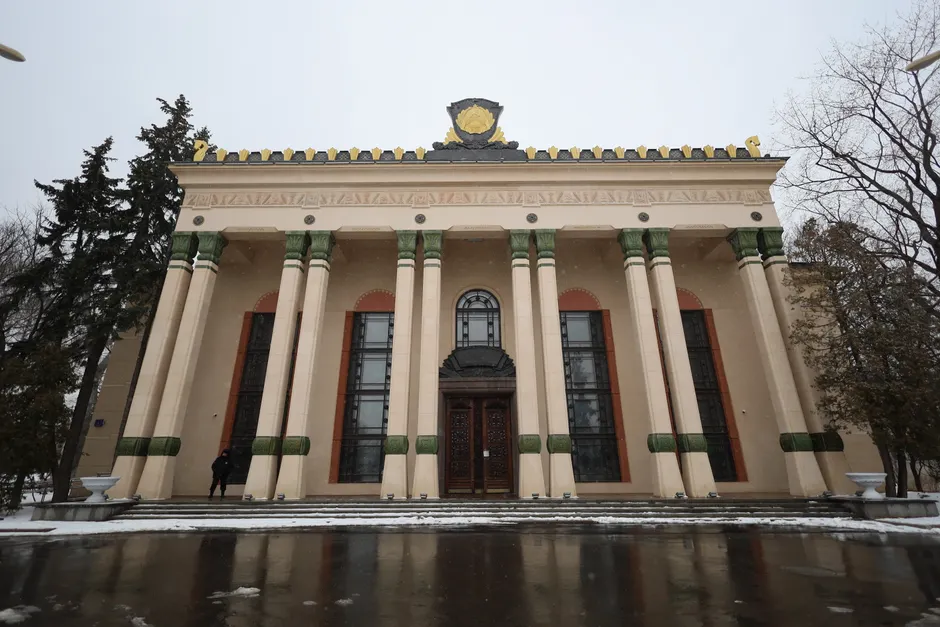
Russia's highest court has banned the Yabloko party from running in the country's September 2026 parliamentary elections. This removes the last openly anti-war party from the race. The ruling came on Monday, August 10, 2026, after a pro-Kremlin party challenged Yabloko's right to participate. The court cancelled Yabloko's official registration, meaning it can no longer appear on the ballot. (Reuters; Greenwich Time)
The decision came after an eight-hour hearing at a Moscow courthouse. Outside, hundreds of people gathered, chanting "Russia" and "Yabloko." Many carried apples — the party's symbol, since "Yabloko" means "apple" in Russian. (BBC)
Inside the courtroom, Yabloko's Nikolai Rybakov argued that cancelling a party's registration should only happen with solid proof of wrongdoing. The court disagreed. (Yabloko)
With Yabloko gone, every party still in the race either supports the war in Ukraine or stays silent about it. (Kyiv Independent; BBC)
Yabloko has not actually won seats in Russia's parliament, called the State Duma, since 2003. In the last election in 2021, the party earned just 1.34% of the vote. It was once led by Grigory Yavlinsky, who ran for president. The party expelled activist Alexei Navalny in 2007 and later criticized him even after his imprisonment and death in 2024. Over the years, Yabloko opposed Russia's war in Chechnya, the 2014 takeover of Crimea, and the full-scale invasion of Ukraine. (BBC)
This is not the first time Yabloko has faced legal trouble. In February 2007, Russia's Supreme Court refused to hear the party's appeals against an election commission decision. (Yabloko) In July 2024, a Yabloko candidate named Maxim Kruglowent to court after being refused registration for Moscow's city elections. (Yabloko) In April 2026, Russia's Constitutional Court refused to review a rule that stops parties from appealing certain local election decisions. (Yabloko) Yabloko has published a list of common violations that lead to candidates being rejected, noting that officials sometimes refuse to accept applications without good reason. (Yabloko)
Independent groups that watch Russian elections for fairness have lost much of their ability to monitor the process. (BBC) Since Russia invaded Ukraine in February 2022, wartime censorship laws have cracked down on public dissent, with penalties including large fines or long prison sentences. (BBC)
The ruling also comes at a difficult moment for Russia's governing party, United Russia. Its approval ratings had fallen to 33%, affected by rising prices, internet blackouts, and drone strikes. (BBC)
The broader context here is one of shrinking options. Yabloko has performed poorly at the polls for two decades, so removing it will not change who controls parliament. What it does remove is a legal way for Russians who oppose the war to make their view visible on a ballot. With every remaining party either backing the war or refusing to criticize it, September's election will offer no official avenue for anti-war voters. Meanwhile, wartime censorship laws and the weakening of independent election monitors mean that even showing up to protest outside a courthouse carries real personal risk.
For those who follow Russian politics, the Supreme Court's decision fits into a system that has been built up over years. The Constitutional Court ruling in April 2026 closed one door by stopping parties from appealing local election decisions. The August Supreme Court ruling closed another by cancelling a party list that had already been approved. Together, these rulings create a situation where a party's registration can be blocked, challenged, or overturned at multiple points, and each step leaves fewer ways to fight back.
Yabloko has run in every election since 2003, even though it has not won a seat since then. Whether the party keeps trying under these conditions, or whether this ban becomes permanent, will depend on legal and political changes that the September vote alone will not settle.