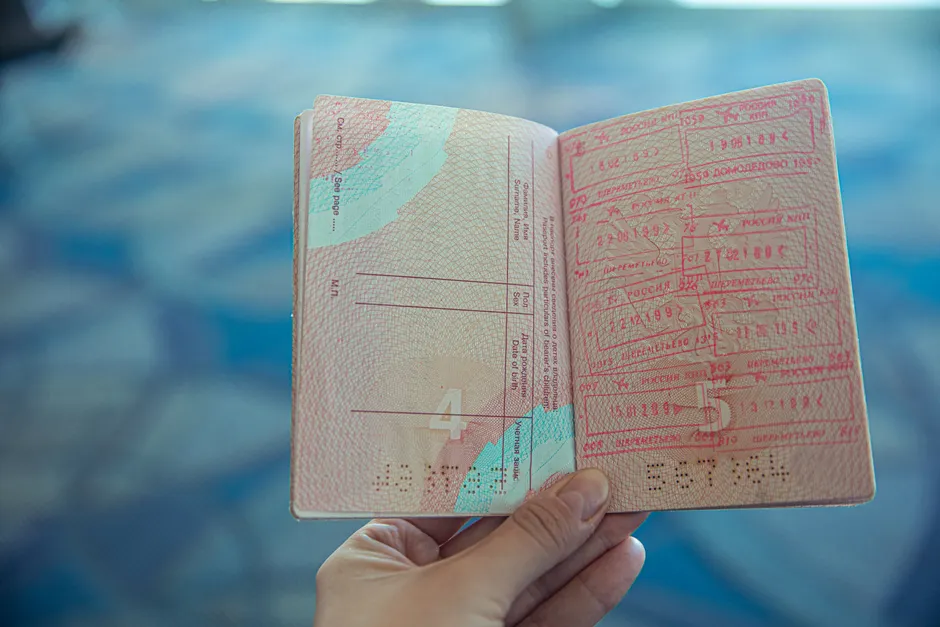
The US Has Cancelled Over 175,000 Visas — Here's What's Going On

On August 10, 2026, the US State Department announced that it has cancelled more than 175,000 visas from foreign nationals under President Donald Trump. The reasons include criminal activity, visa fraud, threats to national security, and immigration violations. The number has grown fast — up from 100,000 in January 2026 and about 80,000 in November 2025 (Al Jazeera; BBC Pidgin; US State Department).
A visa is an official document that lets a foreign citizen enter and stay in the United States for a specific reason and time. When the government revokes a visa, it cancels that permission. The person can then be deported, meaning removed from the country.
Why the Visas Were Cancelled
The department said most cancellations happened because visa holders had run-ins with law enforcement involving criminal activity. Other reasons included visa violations, fraud, calls for violence, and threats to national security. The most common crimes included assault, drunk driving, theft, and drug offenses. Visas were also cancelled for reckless driving, sexual assault, child abuse, fraud, and embezzlement — which means stealing money through deception, often by someone in a position of trust (Al Jazeera; Four States Homepage; The Cable NG).
Secretary of State Marco Rubio determined that some foreign nationals should be deported on foreign policy grounds. The cases named include a Cuban national connected to a Cuban communist regime influence operation, Iranian nationals with connections to the Iranian regime, a Laotian child sex offender pardoned by Minnesota Governor Tim Walz, and a Kuwaiti national who wished for violence against the President and called Americans his "enemy" (US State Department).
The department shared several individual cases. One visa holder was charged with felony rape and sexual battery. Another faced kidnapping and human trafficking charges. A third was charged with more than a dozen counts of possessing child sexual abuse material. Additional revocations targeted a foreign national arrested for disorderly conduct, resisting arrest with violence, drunk driving, and domestic violence. Another was charged with sodomy of a child and aggravated sexual battery. One was arrested for driving with heroin and a blood alcohol level more than three times the legal limit. The department also revoked a visa from a foreign national who claimed to run a business helping vulnerable patients access healthcare but allegedly helped run a Medicaid scam billing for over $5 million in fake services. Another person faked revenue and used forged letters to fraudulently get a visa, swindling millions from investors. A foreign national who came to the United States to teach young students was arrested for sexually assaulting one of them (US State Department; Al Jazeera).
A US embassy in North Africa revoked more than 100 visas from "birth tourist" parents. These are people who allegedly came to the United States mainly to give birth so their children would get US citizenship. Some revocations also involved foreign nationals who publicly celebrated the assassination of conservative activist Charlie Kirk. One person said "when fascists die, democrats don't complain" and another said he "died too late" (Al Jazeera).
How the Government Is Doing This
The State Department said the revocations came from its continuous vetting system. This means the government keeps checking on visa holders even after their visas are approved, instead of treating the approval as a final decision. "A US visa is a privilege, not a right," the department stated. It said it would keep using its authority to cancel visas from people who abuse that privilege. The administration said it would continue identifying and investigating foreign nationals it believes threaten US safety or national security (Al Jazeera; US State Department).
The numbers tell a clear story. From about 80,000 cancellations by November 2025, to 100,000 by January 2026, and now 175,000 by August 2026, the pace is speeding up, not slowing down. The continuous vetting system relies on data from law enforcement, so the number of cancellations grows as the screening system reaches more people and as the department sets a lower bar for when to pull a visa.
The broader context here is that Rubio's use of foreign policy grounds to declare people deportable adds a separate legal path. Cancelling visas for criminal conduct follows existing immigration laws. But declaring someone deportable on foreign policy grounds uses broader presidential authority over who can enter or leave the country. The cases involving foreign influence operations and regime connections suggest the department is mixing counterintelligence and foreign policy into what might otherwise look like a straightforward law-enforcement action.
The "birth tourism" cancellations and the cases involving public statements celebrating violence raise different kinds of questions. Birth tourism has drawn attention from lawmakers and presidents across multiple administrations. The speech-related cases suggest the department is treating public statements that seem to support political violence as a reason to cancel a visa. Civil liberties advocates have previously argued that this approach risks discouraging protected free speech, though the department describes such statements as threats to national security.