A Supreme Court Justice Has Made Millions From Oil and Gas. Should He Step Aside From a Major Climate Case?
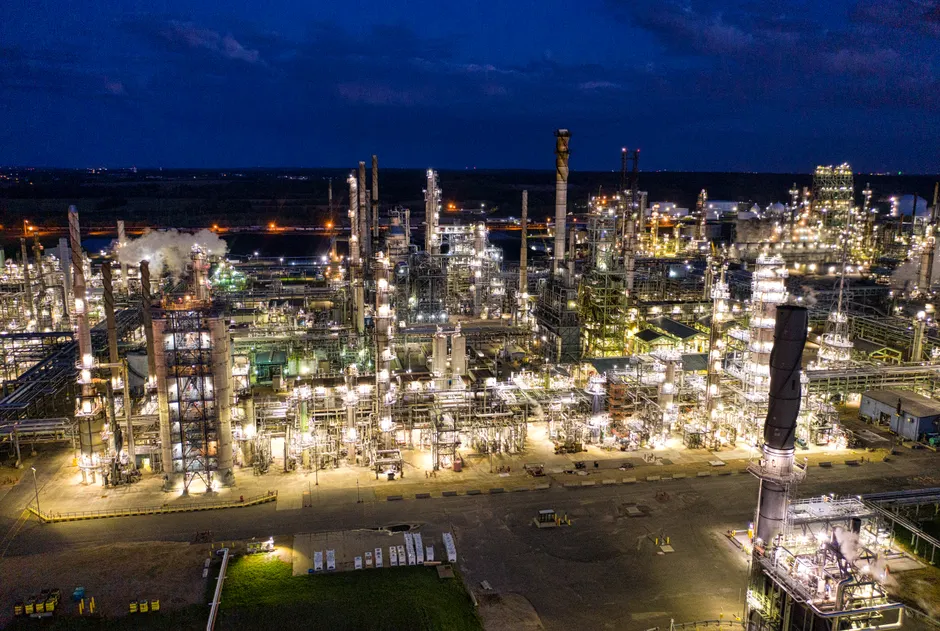
Justice Samuel Alito made between $390,000 and $2.9 million from his oil and gas investments between 2005 and 2024, according to an analysis by a watchdog group called Court Accountability. The group shared its findings exclusively with The Guardian, which published them on August 11, 2026.
The analysis was written by Court Accountability co-founder Lisa Graves. She looked at Alito's financial disclosure records — the reports Supreme Court justices are required to file each year showing their income, investments, and assets. She examined records from 2005, when President George W. Bush nominated Alito to the Supreme Court, through 2024. Even using the most cautious estimate, the findings show Alito earned nearly $400,000 from fossil fuel interests over those two decades. His reported assets, not counting his home and personal property, grew from about $1.1 million in 2005 to between $3.4 million and $8.4 million by 2024.
Most of Alito's oil and gas earnings come from a piece of land in Grady County, Oklahoma. His wife, Martha-Ann Alito, holds a mineral interest in the property, which means she has a legal right to earn money from any oil or gas extracted from beneath the land. Martha-Ann Alito agreed to let a private oil company called Citizen Energy drill on the property. Alito reported two large payments from this arrangement, one in 2019 and one in 2022, each worth between $100,000 and $1 million.
Graves said Alito may have undervalued the Oklahoma property in his disclosure reports. He has continued to report its value at $100,000 to $250,000. In 2017, a relative of the Alito family sold a nearby plot in the same county for $800,000. Court Accountability points to that sale as evidence that Alito's reported value for his own property may be too low.
The findings come just before the Supreme Court is set to hear a major case on October 5, the first day of its new term. The case was brought by Suncor Energy and ExxonMobil, two oil companies. The companies want the justices to rule that federal law bars cities, states, and other local governments from suing fossil fuel producers for the damage their products cause to the climate. The Trump administration has sided with the oil companies and asked for ten minutes to argue during the hearing.
Court Accountability and other advocacy groups have called on a Senate committee to investigate Alito. They have also urged him to recuse himself from the Suncor/Exxon case. To recuse means to voluntarily step away from deciding a case because of a possible conflict of interest. The groups point out that Alito is the only Supreme Court justice who holds investments in energy companies. Alito and the court have rejected these calls. In May 2026, a Supreme Court spokesperson told NBC News that Alito is not required to recuse himself because his investments do not include Suncor or ExxonMobil specifically. The court's ethics rules only require justices to step aside when they own stock in one of the companies directly involved in a case before them.
Graves argues that Alito's oil-related wealth raises questions about whether he can fairly decide cases that affect the whole fossil fuel industry, even if the specific companies he invests in are not named in the lawsuit. The Guardian contacted the Supreme Court and Alito for comment on the analysis.
Other reporting adds context. As of January 2026, Alito owned $15,000 or less in ConocoPhillips stock, according to Inside Climate News. He stepped aside from 10 cases during the current Supreme Court term and has done so 53 times over his entire time on the court.
The broader context here is a court system whose rules for when a justice should step aside are narrow. The rules check whether a justice owns stock in one of the specific companies involved in a case. They do not ask whether the justice has earned money from the broader industry the case could affect. To picture the difference: imagine a judge who owns a restaurant ruling on a law that affects all restaurants. Under the current rules, that would be fine as long as the judge does not own the specific restaurant involved in the lawsuit. The Suncor/Exxon case is exactly that kind of situation. Its outcome will affect the legal risks faced by fossil fuel companies across the country, and Alito's personal finances are tied to that same industry.
Whether that gap between the ethics rules and the financial reality will push Congress or the Judicial Conference — the body that sets policy for federal courts — to change the rules is an open question. What the Court Accountability analysis does establish is a set of numbers: a sitting justice earned up to $2.9 million from the industry whose legal troubles he may soon help decide, and the current rules do not require him to step aside.


