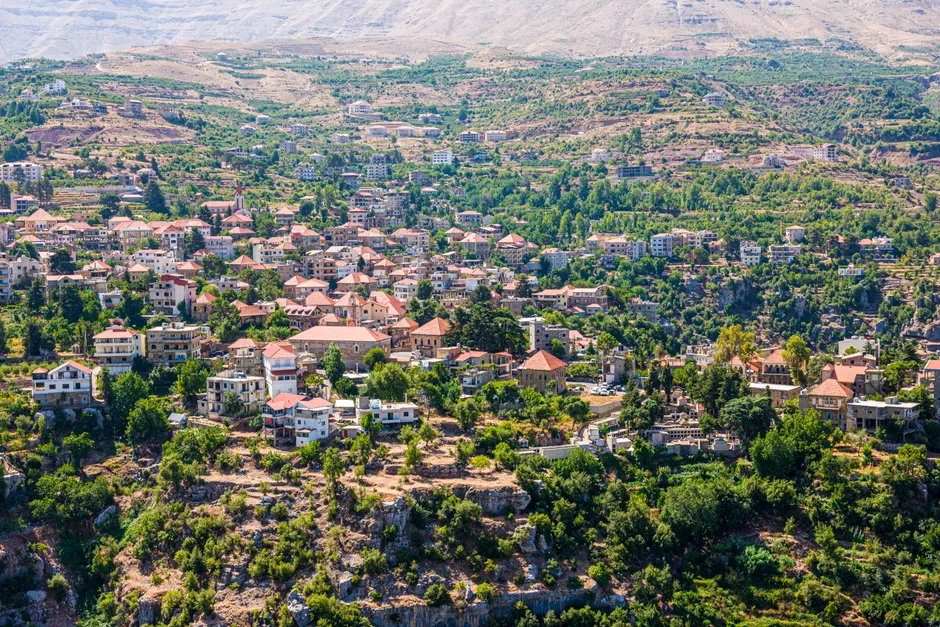
Why Are Forests in Southern Lebanon Burning After the Ceasefire?
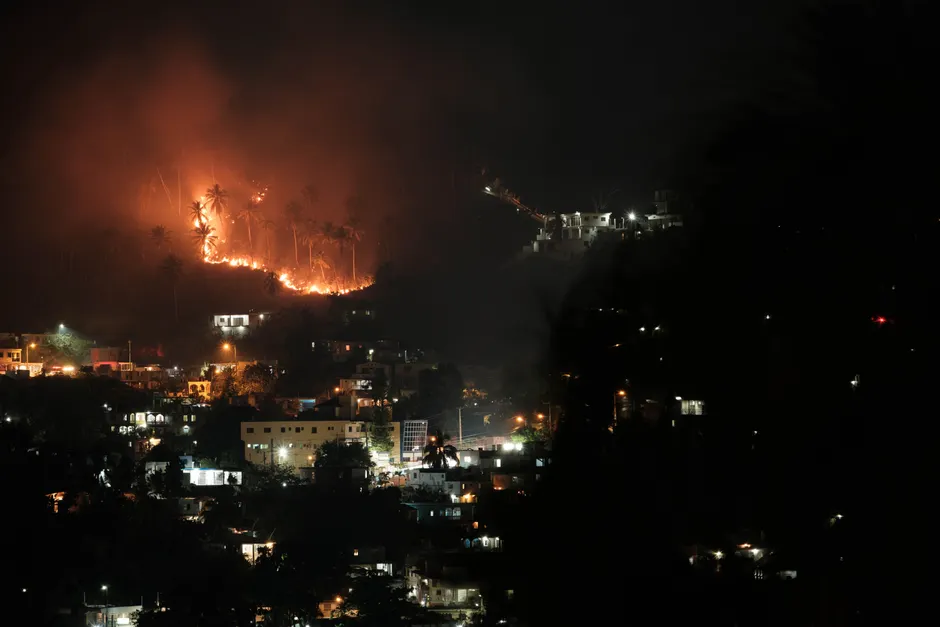
Firefighters and people living in southern Lebanon say the Israeli military is deliberately setting wildfires across the region in August 2026. They say Israel is using weapons designed to start fires, burning forests and farmland near the front line. This is happening almost two months after a ceasefire — an agreement to stop fighting — between Hezbollah and Israel.
The 17 June 2026 ceasefire did not stop the fires. Hussein Fakih, the head of civil defence in the Nabatieh region, said Israeli forces have used fire-starting weapons every single day since the agreement took effect. He described small drones dropping burning materials, artillery shells filled with a chemical called white phosphorus that burns very hot and is hard to put out, and flares dropped during the daytime. Fakih estimated that 30 to 40 percent of land near the front line has been affected by fires. The Israeli military did not respond to requests for comment.
First responders say the pattern is intentional. In August 2026, Israeli weapons started large wildfires in two heavily forested areas: Kfarchouba near the border and the land between Jezzine and the western Bekaa valley. Samir Hardan, a civil defence station chief in the Kfarchouba area, said a drone dropped a device into the woods to start a fire. After firefighters put out that blaze, a second drone started another fire in the same area. In another case, the Israeli military dropped flares in a wooded area outside Khiam, starting fires. When firefighters tried to put out the flames, a drone struck close by, forcing them to retreat.
Firefighters face another problem. Under the ceasefire, a system was set up to keep armed forces from accidentally fighting each other — this is called a deconfliction system. In southern Lebanon, firefighters must ask the Lebanese army for permission to move, and the army passes the request to a group that includes the Israeli military. In practice, firefighters were only allowed to fight fires in two locations. In other areas, fires raged unchecked.
Lebanese environmental groups have strongly condemned the damage. Hisham Younes, who founded the organization Green Southerners, said the burned forests are old, healthy ecosystems with stone pine and oak trees, and that the area is an important resting place for birds that migrate across the region. Younes called the Israeli attacks "ecocide," meaning the deliberate destruction of nature, and said they fit a pattern of attacks on southern Lebanon's environment using weapons, fire, and chemicals.
Hezbollah's Media Relations released official statements on 10 August 2026 condemning the fires. The statements accused Israeli forces of burning wooded areas across the south and turning them into "completely burnt and uninhabitable spaces." They specifically said Israel is burning the Berachit Nature Reserve, which they described as forests, protected land, and wildlife — not military targets.
These fires did not start with the ceasefire. Forest and farmland fires increased along the Israel-Lebanon border in 2024 as tensions rose. Data from ACLED, a group that tracks armed conflict, blamed fires on attacks by both Hezbollah and the Israeli military. The 2024 war between Hezbollah and Israel, along with extreme heat, had already destroyed forests and farmland in southern Lebanon. Israeli forces fired flares in Arnoun, visible from Marjayoun, as recently as 14 May 2026. As of 22 June 2026, Israeli forces were still stationed deep inside southern Lebanon, in a self-declared security zone where they have been tearing down villages.
The fires are concentrated in olive groves and farmland, adding to the economic damage for communities that depend on these harvests. The mix of fire-starting weapons, limited firefighting access, and the dry summer season means each fire can spread across land that firefighters are essentially blocked from protecting.
The broader context here is that the fires appear to be a way of keeping military pressure on southern Lebanon even after the fighting stopped. The 17 June 2026 ceasefire was supposed to end the war between Hezbollah and Israel, but the daily use of fire-starting weapons suggests the campaign against southern Lebanon's landscape has not slowed down. The system meant to keep armed forces apart has become a tool that controls which fires civilians can fight and which they cannot. Whether this is deliberate destruction of nature, as Lebanese officials and environmentalists claim, or an unintended result of ongoing security operations is something the Israeli military has not addressed publicly. What is clear is the scale: about a third of front-line land has burned, stone pine and oak forests are destroyed, and bird habitats are damaged, with no sign that the fires are slowing down.