A Student Grew Cocoa in Britain and Made the First All-British Chocolate Bar in Nearly 100 Years
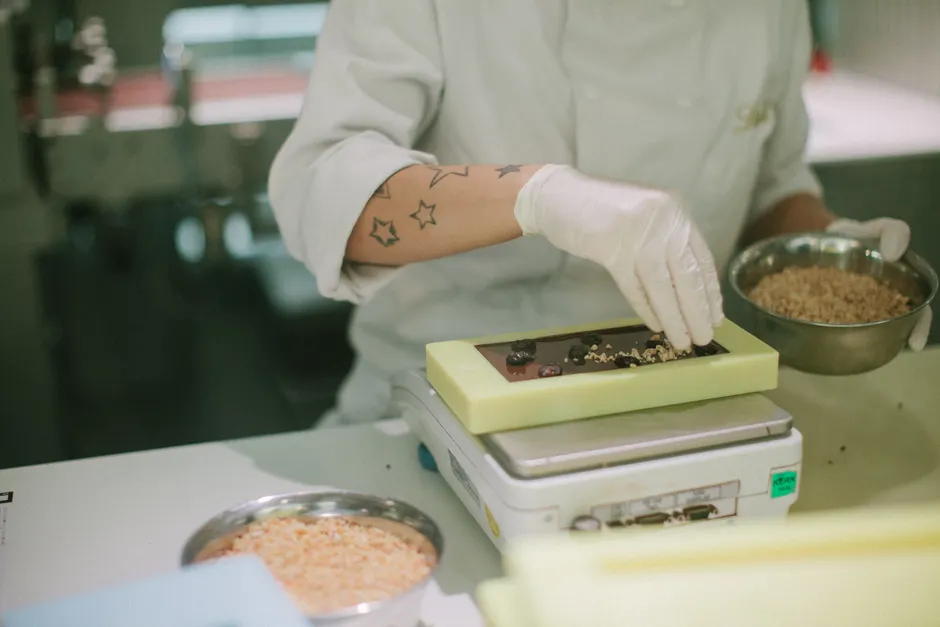
A master's student at the University of Reading has made the first chocolate bar using only British-grown cocoa beans since 1932. Back then, the chocolate company Rowntree's gave a similar bar to the late Queen Elizabeth when she was a child. The student, Maha Khan, grew, fermented, and processed the cocoa at the university's food department using beans grown in a controlled indoor environment on the Reading campus. The bar was created to celebrate the university's 100th anniversary (The Guardian).
Only six bars have been made so far. Making more depends on how many beans are available, and a single cocoa pod can take six months to grow (The Guardian).
The beans came from plants kept at the university's International Cocoa Quarantine Centre. The centre holds more than 300 types of cacao plants and handles 97% of all cocoa plant material that moves between countries worldwide. Its job is to check plants for pests and diseases before they reach countries that grow cocoa, acting like a customs checkpoint for the global chocolate supply. The beans for the centenary bar were grown inside this controlled facility and then cracked open for harvest (The Guardian; Daily Mail).
Raw cacao beans are covered in a white pulp that tastes like lychee fruit. When that pulp ferments, it triggers chemical changes that create the building blocks of chocolate's flavour. Khan did this fermentation step in the university's food department (The Guardian).
The UK chocolate market is worth £10.4 billion, and all of its cocoa is imported. The last fully British chocolate bar was made in 1932, when a cacao tree grew in a heated greenhouse linked to Rowntree's, producing just enough beans for one bar given to the late queen (The Guardian; The Takeout).
British chocolate history goes back to J.S. Fry & Sons, which in 1847 made the first solid chocolate block from cocoa powder, sugar, and cocoa butter. This centenary bar, made under controlled conditions in Berkshire, is the latest chapter in that story (Knowable Magazine).
Global cocoa supply is under strain. Cocoa plants are very sensitive to changes in temperature and rainfall, and climate change is making it harder to grow them in major producing regions. Chocolate prices have gone up as heat and heavy rain damage crops in West Africa and elsewhere (The Guardian).
The bigger picture here is about fragile supply chains. Because the UK gets all its cocoa from other countries, any price spikes or crop failures abroad hit one of Europe's largest chocolate markets directly. The Reading centre's role in keeping cacao plants genetically diverse and disease-free means this story matters beyond the curiosity of a locally grown bar. The 300-plus varieties held at Reading are like a seed bank: if disease or climate change damages one type of cacao, scientists can turn to this collection to find resistant varieties. Growing and processing cocoa in a controlled indoor environment in a cooler climate like Britain's hints at ways farming might adapt as traditional growing regions struggle.
Whether this leads to real British chocolate production is another matter. Six bars from a university lab show it can be done, but they do not add up to a supply chain. The slow six-month growing cycle, the cost of powering indoor growing facilities, and the huge amount of cocoa the UK consumes each year all limit how much could be produced this way. What the bar does offer is a concrete example of how food security, climate adaptation, and behind-the-scenes infrastructure like the Reading quarantine centre all connect.


