Gold Is Near $4,400 — Here's Why It Keeps Climbing
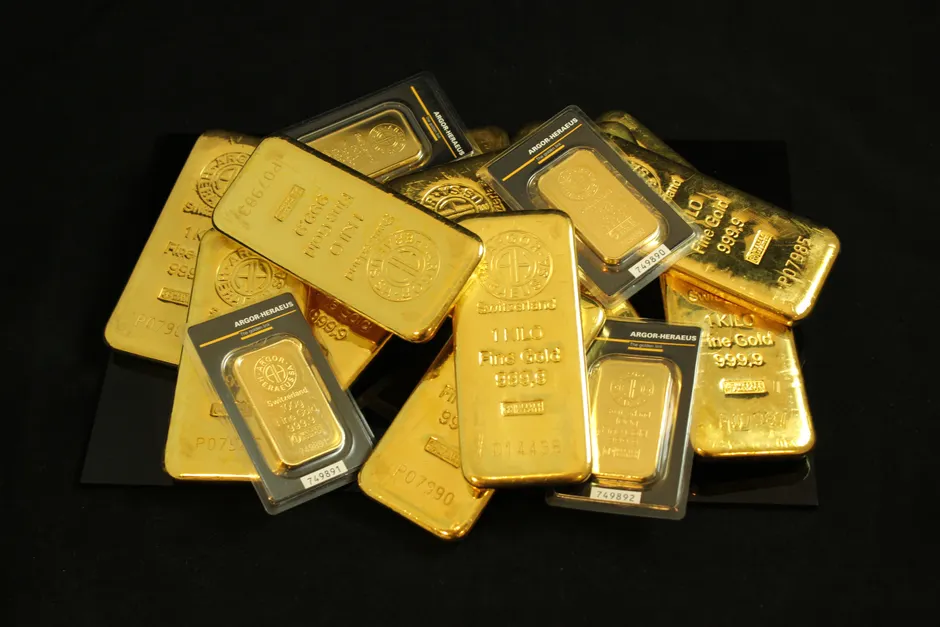
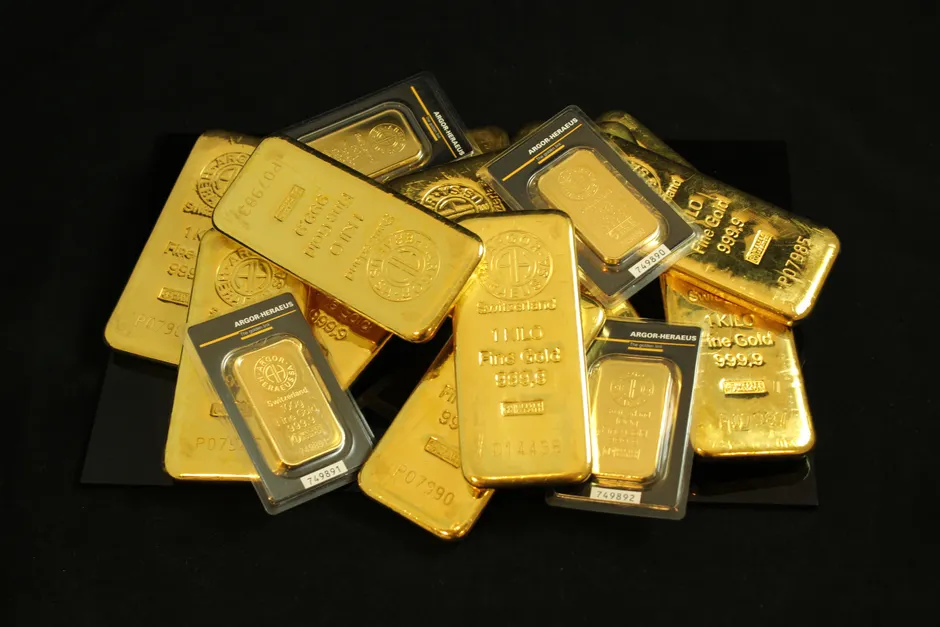
Gold cost $4,399.15 an ounce on August 12, 2026, up 0.66% from the day before, according to TradingEconomics. That price keeps gold in the $4,300–$4,720 range it has stayed in for much of 2026.
The main reason: inflation. Inflation means prices for everyday goods and services are rising. The Federal Reserve — the US central bank — wants inflation at 2% a year. It is not hitting that goal.
Here are the numbers from AP reporting. "Core" inflation leaves out food and energy prices, which bounce around a lot. Core inflation was 2.9% in June 2025, then 3.1% in July, and 3% by September. Headline inflation — everything included — was 2.9% in August and 3% in September. All of those numbers are above the Fed's 2% target.
Why does inflation push gold up? When inflation is high, the money in your bank account loses purchasing power. Gold is a way to protect against that, because it tends to hold its value when money buys less. Also, when inflation stays high, the Fed is less likely to cut interest rates. Lower interest rates would make bonds more appealing, but with rates held steady, gold — which pays no interest — stays competitive.
Gold's price path shows this clearly. Reuters reported gold at $4,330.39 on August 12, 2025. By January 13, 2026, it had risen to $4,591.49. A May 11, 2026 Reuters report put gold at $4,723.40, citing oil-driven inflation worries and faltering US-Iran peace talks. On August 10, 2026, Reuters noted gold drifting lower from a seven-week peak, while silver jumped 3.1% to $65.50 an ounce the same day.
Prices can also vary by source and timing. The December gold futures contract — a promise to buy gold at a set price on a future date — opened at $4,135.20 on August 3, 2026, per Yahoo Finance. Spot prices that morning were $4,051 at 10 a.m. Eastern, according to Fortune. The $280 difference between that figure and the August 12 price reflects normal daily swings.
Silver's 3.1% jump on August 10 is worth noting. When silver gains faster than gold, it can mean investors expect stronger industrial demand or are hedging against inflation. A move that big in one day more likely reflects short-term trading bets than a lasting change in supply and demand.
The broader context here is a gold market that has gained roughly $400 an ounce over twelve months without a meaningful drop below $4,300. That climb comes from three forces working together: inflation above the Fed's target, geopolitical risk from US-Iran tensions, and steady gold buying by central banks. The result is a market where dips are shallow and prices keep drifting upward.
What should people make of this? Core inflation at 3% is not getting worse fast, but it is not coming down to the Fed's 2% goal either. If the next few inflation readings stay in the 2.9%–3.1% range, the case for gold holds up. The main risk to higher gold prices would be a sudden drop in inflation — which would make the inflation protection gold offers less necessary.
No buy or sell recommendations here. The data says what it says: gold is in demand, inflation is stuck, and silver is flashing a signal worth watching.