Six States Held Primary Elections — and One Race Is Still Too Close to Call

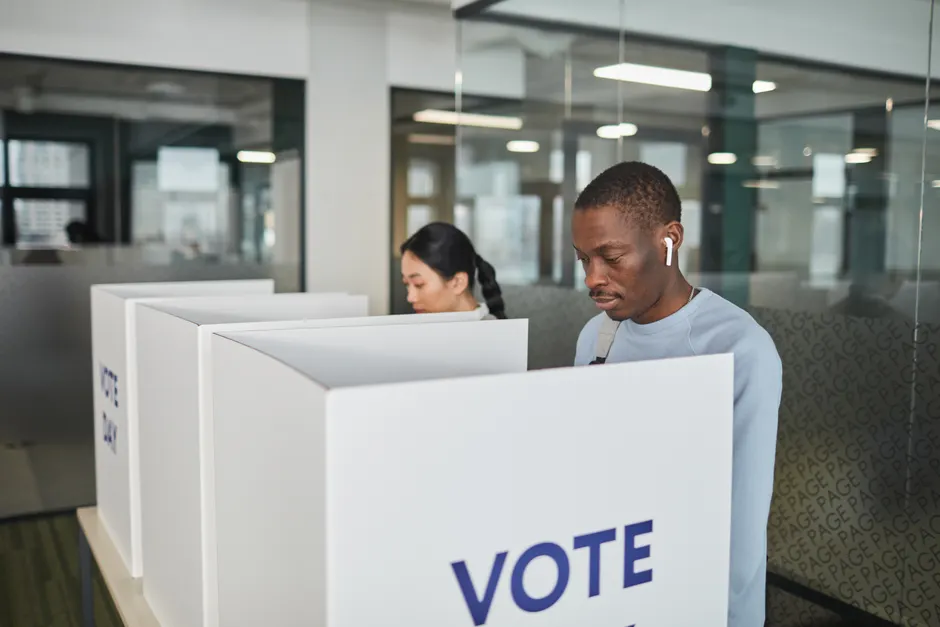
Voters in six states went to the polls on Tuesday, August 11, 2026, for primary elections. A primary is like a party's internal contest to decide who will represent them in the main election in November. These primaries set up competitive races for governor and Senate seats this fall. Wisconsin's Democratic governor primary was still too close to call as of Wednesday morning. (Al Jazeera, AP)
With 94 percent of votes counted, Milwaukee County Executive David Crowley led state Representative Francesca Hong 39.9 percent to 39.5 percent in Wisconsin's Democratic primary for governor. Crowley had the backing of the current governor, Tony Evers. On the Republican side, U.S. Representative Tom Tiffany easily won his party's nomination with 95.3 percent of the vote. (Al Jazeera)
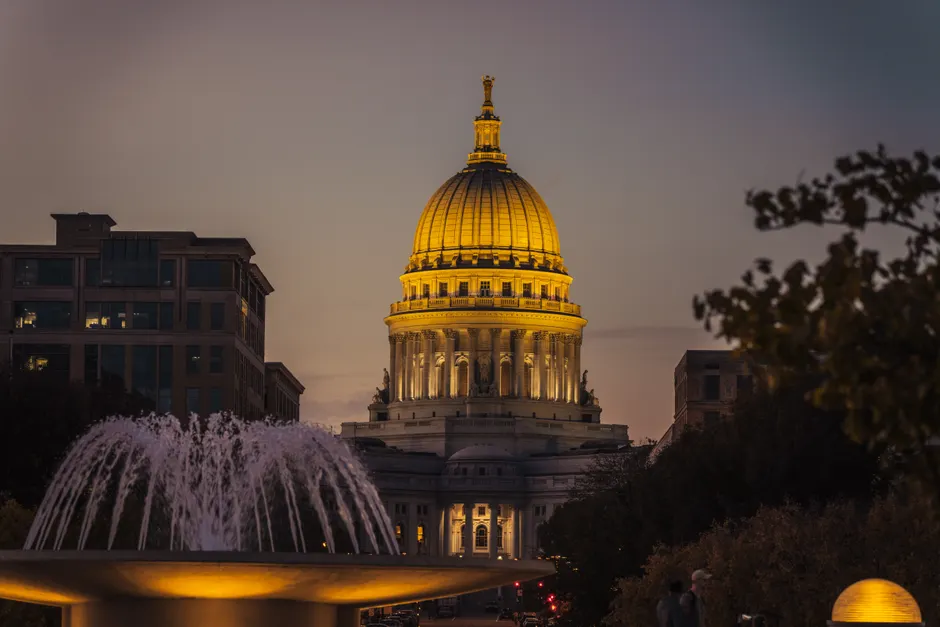
Wisconsin is a battleground state — a state that could go to either party and is fought over in every election. The governor's seat is open, meaning no one currently holds the job going into November. The gap between Crowley and Hong is less than half a percentage point, with about six percent of precincts (local voting areas) still reporting. The winner will face Tiffany in November.
Vermont's Democratic primary for governor was also close: Amanda Janoo won with 49.1 percent to Aly Richards's 46.5 percent. Republican Governor Phil Scott had no opponent in his party's primary and will run for another term. (Al Jazeera)
In Minnesota, Lieutenant Governor Peggy Flanagan won the Democratic Senate primary with 59 percent of the vote, defeating Congresswoman Angie Craig, who received 39.4 percent. Flanagan campaigned on more progressive policies — meaning she favors bolder approaches on issues like healthcare and the economy — and won in a state where moderate Democrats have usually come out on top in Senate primaries. On the Republican side, former MyPillow CEO Mike Lindell lost his party's nomination for governor, ending a campaign that got a lot of national attention but never caught on with voters. (Al Jazeera)
Alabama's Republican primary for governor was won by Rhett Marques, a candidate favored by Donald Trump. However, the August 11 contest in Alabama was actually a special primary for two state Senate districts, not a statewide election. Alabama had already held its statewide primary on May 19, with a runoff (a second round when no one gets enough votes to win outright) on June 16. (Al Jazeera, Alabama Secretary of State)
The Al Jazeera reference to Alabama's governor primary result likely reflects the combined outcome of the May and June votes, not an August 11 statewide election. This distinction matters. Mixing up local legislative primaries with statewide elections can make people think voter turnout was different than it really was.
Michigan's Democratic Senate primary, held earlier in August, was won by Abdul El-Sayed, a progressive candidate. His win, along with Flanagan's in Minnesota, suggests a pattern this year of progressive candidates winning Senate primaries in Upper Midwest states. Both El-Sayed and Flanagan will run in November, and their races could help decide which party controls the Senate.
South Carolina held a special Republican primary for the U.S. Senate on August 11, 2026, covering all 46 counties. The state's election commission conducted hand-count audits — where officials count paper ballots by hand to verify the machine totals. A candidate was added to the ballot shortly before the primary, a procedural step the commission noted in early August. South Carolina's regular statewide primaries had already wrapped up on June 9, with runoffs on June 23. (SC Votes, SC Votes)
Connecticut also held primaries on August 11. The full results from that state were not detailed in the available reporting.
The broader context here is worth keeping in mind. Several of these races involve open or competitive seats in states that will shape who controls governor's offices and the Senate. Wisconsin's governor's race, the Minnesota Senate seat, and the Michigan Senate race are all rated competitive by national analysts. The progressive wins in Michigan and Minnesota, in particular, will test whether candidates who appeal to the left wing of the Democratic Party can win over a broader range of voters in November — a question the party has struggled with in past elections.
The night's most lasting image may be the Wisconsin margin. A gap of four-tenths of a percentage point, with votes still being counted, is a reminder that in a few key states, even primaries can be as close as the big November elections. Both campaigns will be watching the remaining precincts closely.