Someone in Illinois Just Won a Billion Dollars. Here's What That Means.
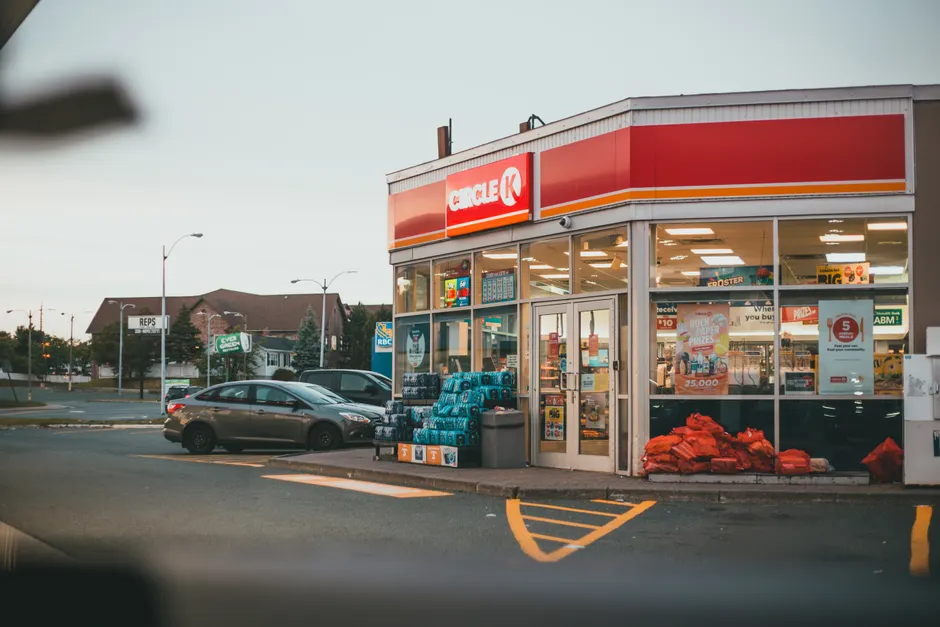
A single Powerball ticket sold in Quincy, Illinois, won about $1.04 billion on Wednesday, August 12, 2026. It was the first top-prize winner in three months. The winning numbers were 4-26-66-67-69 with a Powerball of 9, and the Power Play multiplier was 2x, according to the official Powerball draw results page and multiple regional news outlets that published the figures on August 13, 2026.
The ticket was bought at HY-VEE GAS #1534, at 310 N 36th St, Quincy, IL 62301. Quincy is a small city about 100 miles (160 km) west of Springfield, the Illinois state capital, right along the Missouri border. The Illinois Lottery's "Unclaimed Jackpot & Daily Game Prizes" page still lists the 08/12/2026 Powerball prize as unclaimed, sold at that Hy-Vee location. As of shortly after the drawing, nobody knew whether the winner had come forward yet.
This jackpot is the eighth largest in Powerball history. The all-time U.S. lottery record is just over $2 billion, won with a Powerball ticket in California in 2022. So while $1.04 billion is enormous, it is not the biggest ever.
The winner has a choice to make. They can take the $1 billion as an annuity, which means payments spread out over 29 years. Or they can take a lump-sum cash option of $450.5 million all at once. The annuity is the big number you see in headlines. The cash option is less because it is the actual money in the prize pool right now, before any investment growth that would happen over those 29 years. Think of it like a pension paid over decades versus a single, smaller check today. Most big-jackpot winners in recent U.S. history have chosen the lump sum, though individual decisions stay private until the ticket is claimed.
Illinois lottery rules let winners of prizes over $250,000 stay anonymous. That means the public may never find out who won, even after the ticket is officially claimed. The state's unclaimed-prize page will keep showing the jackpot as unclaimed until lottery officials process and verify the claim.
The broader context here is how lottery jackpots get so big in the first place. Powerball's prize pool grows through rollover accumulation, which means the prize carries over to the next drawing whenever nobody matches all six numbers. A three-month gap without a winner is not unusual for jackpots in the billion-dollar range. The odds of hitting all six numbers are about 1 in 292.2 million. Each time there is no winner, the advertised jackpot goes up, which sells more tickets, which pushes the prize even higher. That cycle is what creates the giant sums that make national news.
For the Quincy community, the store that sold the ticket gets a bonus. Under Illinois Lottery policy, retailers who sell winning tickets receive a bonus, usually capped at a set maximum for jackpot prizes. Hy-Vee, a Midwest grocery chain with stores across several states, has not publicly commented on the sale as of the available reporting.
Claiming a prize this large involves identity verification, financial consultation, and coordination with Illinois Lottery claims staff. Winners of nine-figure jackpots usually hire legal and financial advisors before turning in the ticket, a process that can take weeks or months. The Illinois Lottery's unclaimed-prize page is the public way to check whether the ticket has been redeemed. Under Illinois law, Powerball prizes must be claimed within one year of the drawing date. That means the winner has until August 12, 2027, to come forward before the prize would go back to the state's lottery fund.
What we do not know yet is whether the winner is one person or a group, and whether they will choose the annuity or the cash option. Neither the Illinois Lottery nor Powerball has released any information beyond the ticket's sale location and the drawing results. The focus now shifts to the claim window and whether the unclaimed status on the state's prize page gets updated in the coming weeks.


