CMF Clip Pro Earbuds Cost $79 and Sit Outside Your Ears — Here's What to Know
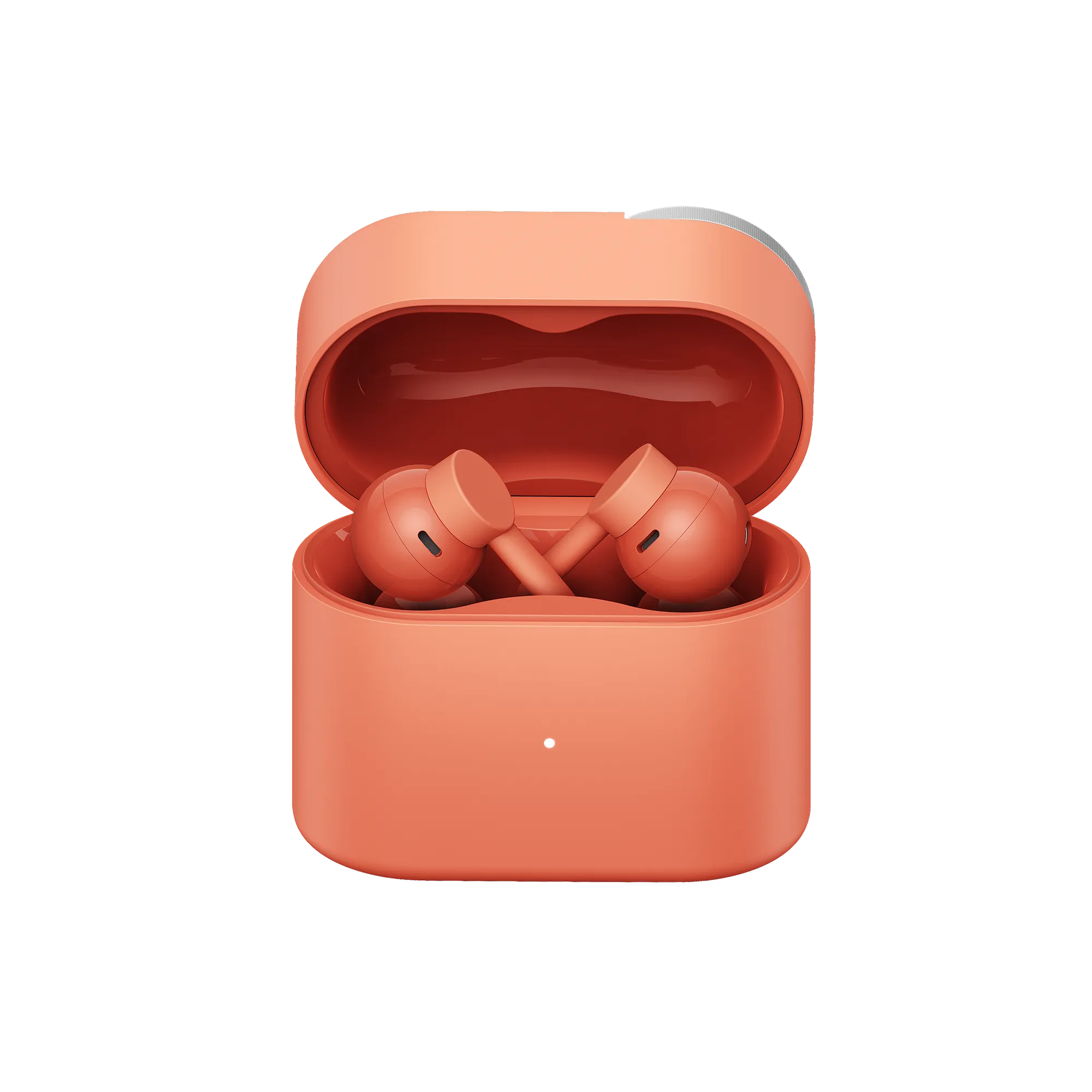
CMF by Nothing's first open-ear earbuds, the Clip Pro, launched at $99 and within days dropped to a $79 sale price. In that same window, The Verge published its review, concluding that the earbuds handle the challenges of clip-style design well while staying under $100.
CMF is Nothing's budget sub-brand. The Clip Pro is its first pair of earbuds that do not go inside your ear canal. Instead, they clip onto the outside of your ear (Nothing). The $99 launch price matched that of Nothing's own Ear (3a) earbuds, which positioned the Clip Pro as a parallel option rather than a cheaper one. The quick drop to $79 narrows that gap further.
The design uses a 3-point clip. The speaker sits just outside the ear canal, and a flexible band wraps around the ear to hold the earbud in place (The Verge). The band avoids pinching, and the reviewer reported no discomfort from either the speaker or the battery and control capsule. That comfort result matters because pressure on ear cartilage is the most common problem with clip-style buds.
On the hardware side, the Clip Pro uses a 10.8mm audio driver, which is the part that produces sound. It supports LDAC, AAC, and SBC, which are different formats for sending audio over Bluetooth. LDAC is the best of the three, capable of sending more detailed audio than standard Bluetooth (The Verge). Nothing includes a chip designed to improve call quality and claims up to 10 hours of playback on a single charge, with 32.5 hours total including the charging case (The Verge; Nothing). The earbuds also support spatial audio, which gives a sense of sound coming from different directions.
The charging case has a physical dial that controls volume and works as a button for play/pause, skipping tracks, or calling up your phone's voice assistant (The Verge). The dial did not have enough resistance in testing, which means it turned too easily and caused accidental adjustments when the case was in a pocket. That is the kind of small hardware oversight that can bother you more in daily use than any missing feature.
Extra settings live in the Nothing X app on your phone. The app has an equalizer, which lets you adjust bass, midrange, and treble, but it behaves in a confusing way: raising one slider can lower other frequencies instead of just boosting the one you chose. The app also has an anti-leakage mode that cuts higher frequencies to reduce how much sound escapes from the open-ear design, but it makes the overall sound quality worse (The Verge).
These tradeoffs are worth flagging. Open-ear designs inherently give up some sound isolation and bass compared to earbuds that seal inside the ear canal, and the tools meant to make up for those gaps here come with their own costs. The anti-leakage mode asks you to choose between keeping your music private and keeping it sounding good, and the equalizer's confusing behavior means getting the sound you want takes more trial and error than usual. For a product under $100 these are forgivable compromises, but they do set a ceiling on what the Clip Pro can deliver for someone who cares deeply about audio quality.
The broader context is that open-ear and clip-style buds have spread in 2025 and 2026 as an alternative to earbuds that seal the ear canal. People choose them because they find in-ear tips uncomfortable or because they want to stay aware of sounds around them. The challenge for this type of earbud has always been delivering good enough sound without the sealed fit that traditional earbuds rely on. Nothing's approach with the Clip Pro addresses enough of that challenge to earn The Verge's positive verdict, while leaving clear room for improvement in the software and case hardware.
At $79 on sale, the Clip Pro costs less than most name-brand open-ear alternatives while offering features that budget earbuds usually leave out. The dial on the case is a genuinely useful idea, and the comfort is the strongest argument for buying the product. The software quirks and the loose dial are the obvious things to fix in a future version, and given Nothing's track record of improving its hardware with each new generation, a follow-up that tightens those loose ends is a reasonable expectation rather than a guess.


