A Popular Bond Fund Just Hit Its Lowest Price in 22 Years — Here's What That Means
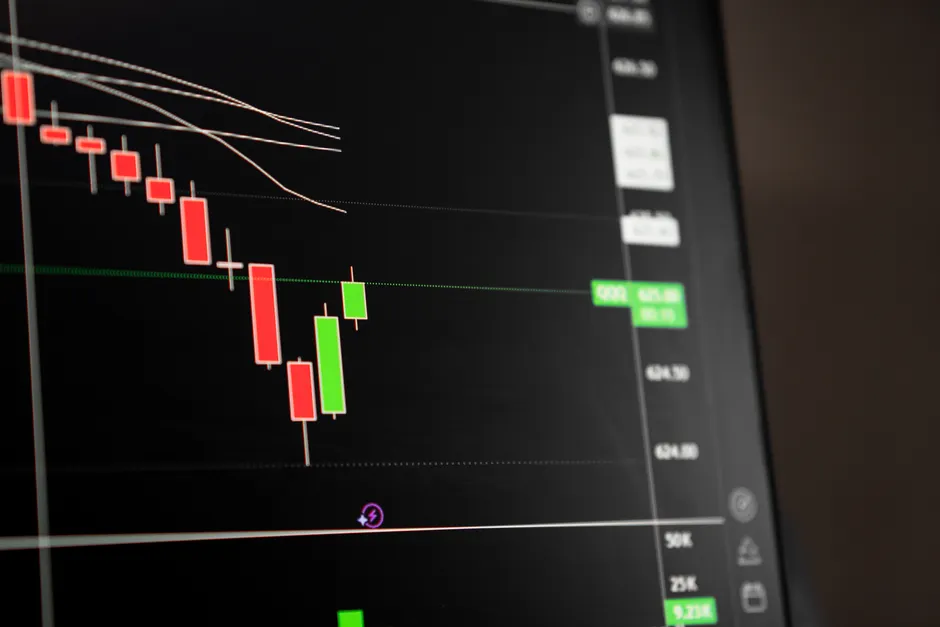
The iShares 20+ Year Treasury Bond ETF, known by its ticker TLT, fell to $81.91 on August 14, 2026 — its lowest price since June 2004 (Benzinga). That wipes out roughly two decades of price gains. The fund now sits about 52% below its all-time high. Its previous close was $82.04, and it opened the session at $81.77 (CNBC).
The fund's 52-week high was $92.19 (CNBC), so TLT has dropped about 11% from that recent peak. But the drop from its all-time record high is far worse: at $81.91, the fund is down about 52% from the top (Benzinga).
As of August 14, iShares reported a year-to-date total return of negative 3.47% for TLT. The fund's 30-day SEC yield — a standard measure of the income the fund generates — was 5.18%, and its 12-month trailing yield was 4.76% (iShares). Yahoo Finance, also as of August 14, shows a 1-year return of 1.39% and a year-to-date return of 3.35%, compared with a category average of 0.67% (Yahoo Finance). The fund's annual fee is 0.15% (Yahoo Finance).
The gap between iShares' negative 3.47% year-to-date return and Yahoo Finance's positive 3.35% figure likely comes down to different calculation methods — one uses the fund's underlying asset value, the other uses market trading price, and they may handle reinvested income differently. Both numbers are from the same date.
To understand why TLT has fallen so far, it helps to know what the fund actually owns. TLT holds U.S. Treasury bonds that take more than 20 years to mature. Here's the key rule with bonds: when interest rates go up, the value of existing bonds goes down. Think of it like a fixed-rate mortgage. If you locked in a 3% rate and new mortgages are now at 6%, your old rate is worth less to anyone who might take over your loan. The same thing happens to bonds. And the longer until a bond matures, the more its price drops when rates rise. TLT only holds very long-term bonds, so it takes the hardest hit when long-term interest rates climb. That TLT has lost twenty years of gains shows just how much long-term rates have moved since the fund's peak.
The broader context here is that a 52% drop is stunning for a fund that holds U.S. government bonds, which are considered about as safe as it gets — the U.S. government is not expected to default on its debt. The losses come entirely from rising interest rates pushing bond prices down. Anyone who bought TLT near its peak and needs to sell now faces real losses. The fund's 5.18% yield would take years to make up for the money those buyers have lost. The 4.76% the fund actually paid out over the past year is still far below what late arrivals have lost in falling prices.
On the flip side, TLT is now generating more income than it has in years. The 5.18% yield reflects the interest payments the fund collects from its bonds, and that figure would rise further if long-term rates keep climbing. For anyone with a long time horizon and the stomach for more price swings, a higher yield helps cushion the blow of falling prices. But the negative 3.47% year-to-date return reported by iShares makes clear that price losses have outweighed the income so far this year.
The big question for anyone watching TLT is whether long-term interest rates have finally peaked. The fund's price won't stop falling until long-term rates stop rising. Here's what we know: TLT sits at $81.91, a 22-year low, 52% below its high, paying a 5.18% yield, with a negative return so far this year. Here's what we don't know — and what no number can tell us: which way long-term rates go from here. That's a distinction worth holding onto for anyone tempted to treat that 5.18% yield as a reason to jump in.
iShares also offers related products, including a BuyWrite Strategy ETF covering 20+ year Treasuries and a UCITS-listed version of the 20+ year Treasury bond ETF (ticker IDTL) on its UK site (iShares; iShares UK). The official fund fact sheet for TLT is published as a PDF on iShares' domain (iShares).


