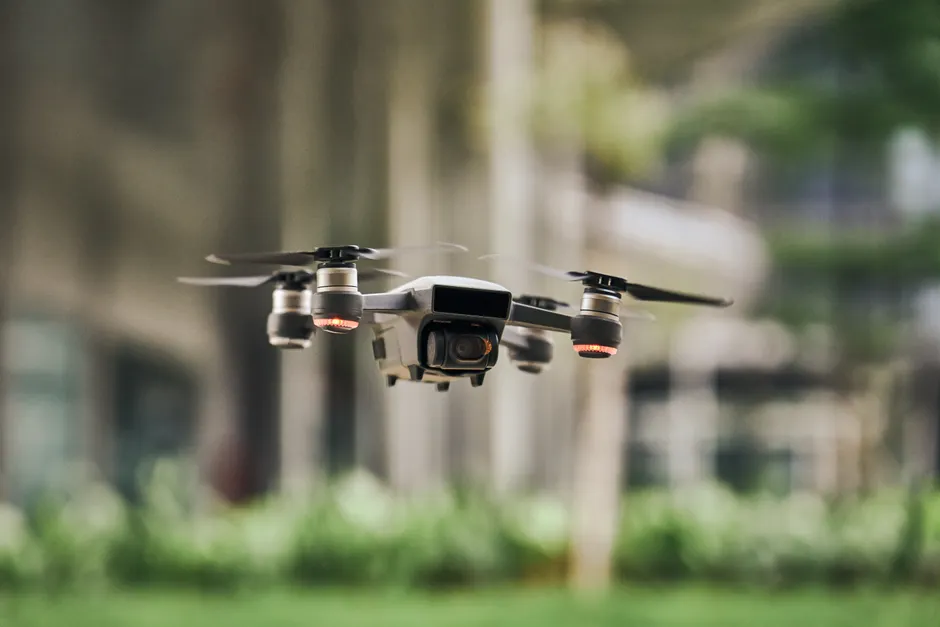
Amazon Says Drone Delivery Is Coming to Nearly 500 Cities by 2026

Amazon announced that its Prime Air drone delivery service will expand to nearly 500 U.S. cities and towns by the end of 2026, about six times its current size. The expansion is the biggest step-up since the program began and comes 13 years after Amazon first promised drone delivery as something customers would use soon (The Verge; GeekWire).
The rollout will begin in the Chicago, Illinois; Syracuse, New York; Cleveland, Ohio; Atlanta, Georgia; and Boise, Idaho metro areas, with additional communities added later this year. Prime Air currently operates in 11 locations across the U.S., with each site covering about 175 square miles of airspace (The Verge).
David Carbon, vice president of Prime Air, said the service has already delivered hundreds of thousands of packages to customers this year, with most orders arriving around 60 minutes after checkout. The drones carry packages weighing up to 5 pounds, which covers the small, everyday items that Amazon ships most often (The Verge).
Amazon also described its safety system alongside the expansion. The key technology is called Detect-and-Avoid, which lets each drone spot other aircraft or obstacles on its own and steer clear of them. That capability is necessary for flying over populated areas at a large scale (The Verge).
The scale of this jump is worth pausing on. Going from 11 locations to nearly 500 in about four months means Amazon has to build and deploy hundreds of new drones, get regulatory approval across many new areas, set up launch and landing sites, and connect drone dispatch into its existing delivery network at each location. A sixfold expansion announced in August with a year-end deadline leaves little room for delays.
The 60-minute delivery window is consistent with what Prime Air has reported in its earlier, smaller deployments. But keeping that speed across hundreds of sites will depend on how closely Amazon can place drone launch points to where customers actually live. Each site covers about 175 square miles, which limits how many households a single facility can reach. Going from 11 to 500 sites means Amazon must find, lease, and set up roughly 50 times its current number of facilities.
The 13-year gap between the original promise and this near-500-city deployment is a long time even for expensive logistics projects. Amazon's early drone demonstrations got a lot of public attention, but the years in between were spent redesigning the aircraft, working with the FAA and other regulators, and solving the harder-than-expected problem of building a Detect-and-Avoid system that works reliably on its own in shared skies. That the company is now announcing near-national-scale deployment suggests it has reached a point where each site is reliable and affordable enough to copy.
For Amazon, the strategic logic is straightforward. Same-day delivery by truck requires a warehouse within a short drive of the customer, which is expensive to build everywhere. A drone extends the reach of a single facility across 175 square miles at a cost per delivery that, once the infrastructure is paid for, grows with the number of flights rather than the number of drivers. If the 5-pound weight limit captures enough of Amazon's orders, the economics could work well. The open question is whether weather, airspace restrictions, noise complaints, and payload limits let the service fly often enough to make the math work.
Amazon did not disclose specific timelines for each new market beyond "later this year," nor did it specify the total number of aircraft or facilities involved in the expansion.