Zambia's Election Is Headed to Court — Here's What's Happening
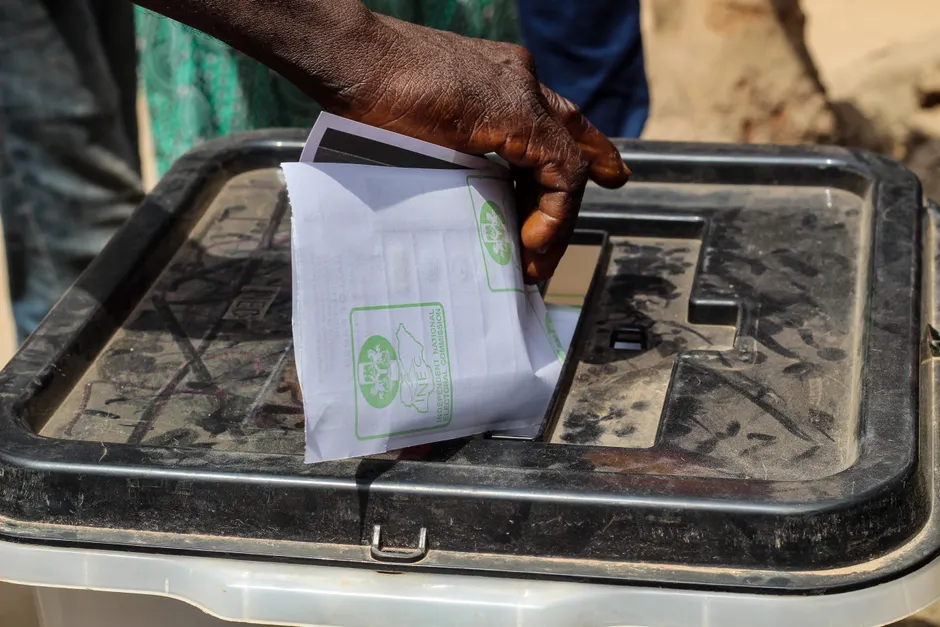
Zambia's opposition leader Brian Mundubile said on August 19, 2026, that he will challenge the result of the country's presidential election in court. He says there was voting fraud. The electoral commission declared that the current president, Hakainde Hichilema, won about 60 percent of the vote, while Mundubile got 38 percent. That result gives Hichilema, who is 64, a second term as president. Al Jazeera
Mundubile's campaign says it found "serious irregularities, inconsistencies and circumstances" in how the vote was run, counted, and reported. The election took place on August 13 in Zambia, a country in southern Africa with about 22 million people. Problems started early. The electoral commission had to stop counting votes for several hours because of violence against polling staff and stolen ballot papers. Al Jazeera
Before the vote, the opposition said its campaign faced intimidation and restrictions. After the election, things got worse. Zambian police arrested 11 people, including top opposition figures, in a raid that involved gunfire. Mundubile was there when it happened. The UN's top human rights official, Volker Türk, said he was worried about the arrests and said all detentions must follow international human rights standards and Zambian law. Al Jazeera
Hichilema was expected to win. He had led Zambia through an economic recovery and a plan to reduce the country's debt. Analysts said two things helped him: he was the sitting president, and the opposition was divided. Reuters Still, legal experts said the race was close enough that a court might end up deciding the winner. DW Africa
Under Zambian law, Hichilema is supposed to be sworn in within seven days of the official results being published, which means by August 24. Mundubile's court challenge could delay that. The Constitutional Court, which handles election disputes, will decide how fast the case moves. Zambia's National Assembly also published proposed changes to election laws earlier this year, including new rules about how seats are distributed and how election petitions are handled. Zambia National Assembly
The broader context here is that Zambia has a strong reputation as one of Africa's more stable democracies, and its election system has been tested like this before. Courts in Zambia have heard presidential election challenges in the past. What makes this one different is the mix of problems: documented disruptions during the vote count, a police raid on opposition figures that caught the UN's attention, and a winning margin so large that the court has to decide whether any fraud was big enough to have changed the result. A 22-point gap is hard to overturn. But Zambian courts have shown they will look at whether the election itself was fair, not just the numbers.
The timeline is tight. The swearing-in deadline is August 24, and the court is required to finish election petitions quickly. The coming days will show whether Zambia's legal system can resolve a disputed election on time. The UN's involvement also raises the stakes, especially if more arrests or restrictions on the opposition happen during the court case.


