A Plane Crashed in Remote Alaska, Killing All Eight People on Board
A plane carrying eight people crashed in Alaska on August 20, 2026, killing everyone on board, according to the US military. Rescuers who reached the crash site confirmed there were no survivors.
The aircraft went down around midday local time (20:00 GMT) near Cape Newenham, a remote spot on Alaska's south-west coast about 450 miles (725 km) west of Anchorage. The flight had left Anchorage International Airport and was headed to Cape Newenham, the US Air Force said. Two pilots and six passengers were on board, according to Clint Johnson, who leads the National Transportation Safety Board's Alaska office (BBC).
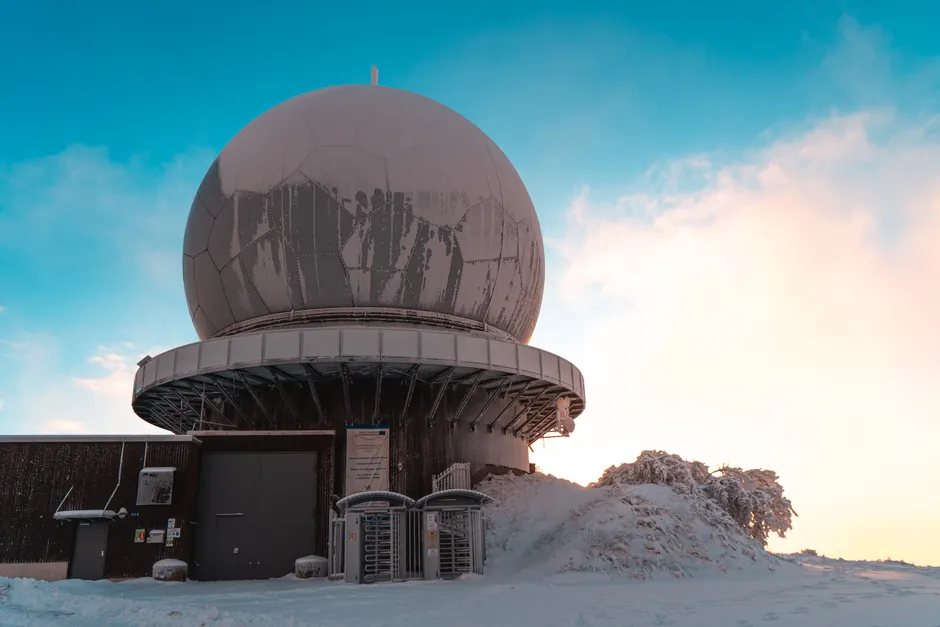
Cape Newenham is home to a US Air Force radar site — a station that uses radar (a technology that bounces radio waves off objects to detect them) to watch for aircraft entering or flying through Alaskan airspace. The site is part of a larger network of remote radar stations built during the Cold War, the decades-long standoff between the United States and the Soviet Union. Because the site is so isolated, with no roads leading to it, people and supplies usually get there by chartered flights across vast, mostly empty terrain where the weather can change quickly and dangerously.
Lt Gen Robert Davis, who leads the US Air Force's Alaskan Command, said the passengers were "dedicated professionals carrying out a vital mission in a demanding environment" (BBC). The Air Force did not say what the mission was. The names of those who died have not been released yet; the military said it will confirm identities after family members are notified.
An investigation is now under way. The National Transportation Safety Board, or NTSB, is the US agency that looks into civilian aviation accidents. Because the plane was operated by a private company hired under a government contract, the NTSB will likely lead the investigation, though the military will be involved given where the plane was headed.
The broader context here is why flights like this happen at all. The radar stations in Alaska were built decades ago to watch for threats from the air, and they still need people to staff them and supplies to keep them running. Since many of these sites have no road access, chartered flights are a routine and essential way to get personnel and equipment in and out. A crash on approach to one of these sites raises questions the investigation will need to answer: What were the weather conditions? Were there problems with the aircraft? How well can air traffic controllers track and communicate with planes in such remote airspace, where even basic infrastructure may be limited?
This crash is also a reminder of the human cost behind maintaining defense systems in harsh, isolated places. Eight people lost their lives on what was essentially a routine supply run to a radar outpost — a job that carries real danger even in peacetime, far from any combat zone.


