Sony's New Xperia 10 VIII Phone: Better Screen, Pricier Tag
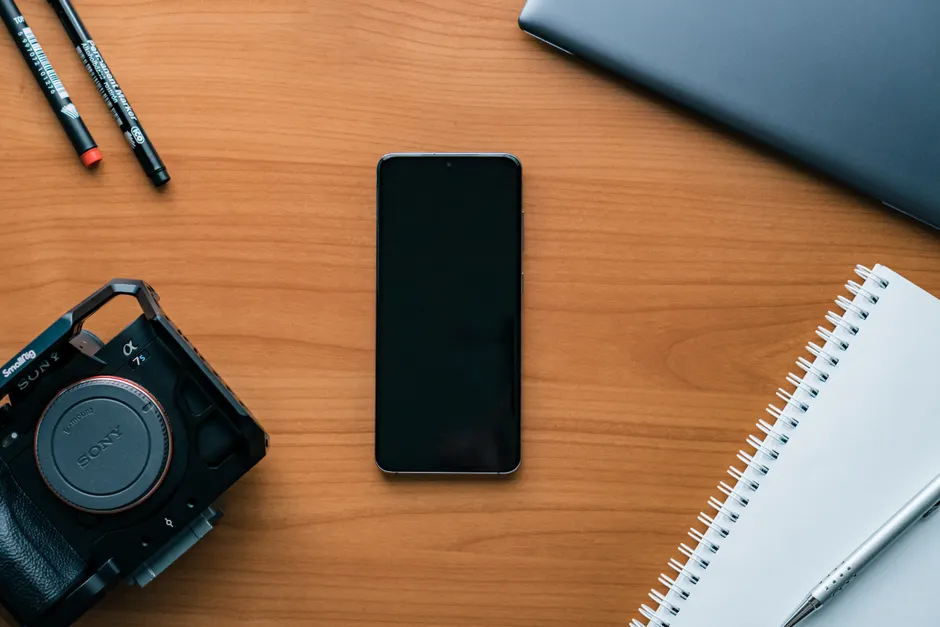
Sony has launched the Xperia 10 VIII, a mid-range Android phone that replaces last year's Xperia 10 VII. The new model has a brighter screen, a faster internal chip, and a redesigned see-through back panel. Sony announced the phone on August 25, 2026, and it goes on sale in September.
The screen stays the same size — 6.1 inches — and the same sharpness as before, but it can get 50 percent brighter, according to Engadget. That means it should be easier to read outdoors in sunlight. The speakers are also 15 percent louder. The cameras are unchanged: a 50-megapixel main camera, a 13-megapixel wide-angle lens, and an 8-megapixel front camera for selfies. Sony's UK marketing materials focus on "improving everyday ease of use" rather than big specification jumps.
Inside, the phone uses a newer processor — the Snapdragon 6 Gen 3 — which is the chip that handles the phone's computing tasks. Think of it as the phone's brain getting a modest upgrade. It comes with 8 gigabytes of working memory (RAM) and 128 gigabytes of storage space. The battery is the same size as before, at 5,000 milliamp-hours, which is a standard capacity for modern phones. The phone runs Android 16, the latest version of Google's operating system, which is notable because not all phones in this price range ship with the newest Android version.
A new feature called "Point & Pay" lets you open a payment app by double-tapping the power button, instead of unlocking the phone and finding the app on your screen. The phone comes in three colors: Frozen White, Frosted Grey, and Misty Lilac, all with a translucent (partly see-through) back panel.
The price is where things get interesting. In the UK, the phone costs £549 (about $750), which is £150 more than the previous model cost when it launched last year. In Europe, it costs €599, up from €449 — a 33 percent increase. That is a bigger price jump than most phones in this category have seen.
So what are you getting for the extra money? The main improvements are the brighter screen, the louder speakers, and the newer processor. The cameras are the same. The battery is the same. The screen size and sharpness are the same. In other words, you are being asked to pay a good deal more for a modest set of upgrades.
The broader picture here is that mid-range phones in general have been getting more expensive over the past few years, and this particular jump is steeper than most. At its new price, the Xperia 10 VIII is competing against phones from other brands that offer more for the money — bigger batteries, faster charging, and more camera options.
On the positive side, shipping with Android 16 gives the phone an advantage. Many mid-range phones launch with older software. How long Sony continues to provide software updates for this model will determine whether that advantage lasts.
The Point & Pay feature is small on its own, but it reflects a trend across the phone industry: companies are making it easier to pay directly from the device without opening an app. Whether a double-tap shortcut matters to people who already pay by tapping their phone against a card reader is an open question.
The see-through back and the color names suggest Sony is sticking with a subtle, slightly industrial look rather than the shiny, glassy finish many phones use at this price. That is a reasonable choice for a brand that sells to a smaller, niche audience rather than trying to compete with the biggest sellers.
The Xperia 10 VIII is a modest update with a less modest price tag. The improvements are real but small. The unchanged camera and battery suggest Sony refreshes its mid-range phones every two years rather than every year, and this is the in-between model. Whether shoppers are willing to pay the higher price when the phone reaches stores in September will tell us whether Sony still has enough pull in a crowded market.