Why London Bus Drivers Are Striking Over Hot Cabs
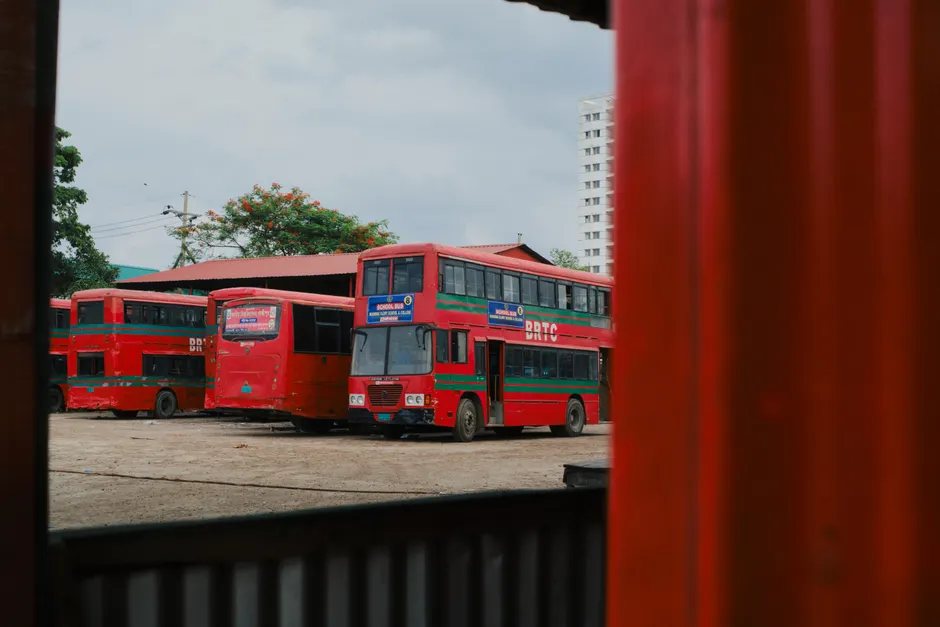
Around 1,500 bus drivers in north London went back on strike on Tuesday 25 August 2026. They work for a company called Arriva North London, and their complaint is about the heat inside their driver cabs. The strike lasted four days and happened after drivers at three of eight garages turned down a deal that union officials and the company had agreed the week before.
The problem is the cooling systems in the buses. The buses have air-cooling systems, which are not the same as air conditioning. Air-cooling systems only lower the temperature inside the cab by about 2°C to 3°C, according to drivers. Real air conditioning can keep a room or vehicle at a set temperature no matter how hot it is outside. Drivers say they have dealt with "excessive in-cab heat" for years, with temperatures often rising above 30°C. During 2026, London had a record five heatwaves, and temperatures often went above 40°C. One driver was signed off work with heatstroke, according to Unite (Unite the Union).
Drivers at eight garages — Barking, Edmonton, Enfield, Grays, Palmers Green, Stamford Hill, Tottenham, and Wood Green — first went on strike on 14 and 18 August, disrupting more than 40 bus routes. Unite and Arriva North London reached an agreement during talks before the latest strike, but drivers at three of those garages voted against the company's offer. The main concern is whether Arriva will finish installing proper air conditioning across its 730-bus fleet by next summer (2027). Drivers worry the extreme heat could return before then.
An Arriva London spokesperson said five of the eight north London garages did not want a strike. The company said it had reached agreement with Unite officials on every demand. Arriva said it introduced measures in summer 2026 to help drivers cope with extreme heat and is investing in air-conditioning upgrades for driver cabs across its London fleet. Arriva is also part of a Transport for London (TfL) group called the extreme weather taskforce, which was set up to find solutions to weather-related problems. Other transport operators and Unite are members too.
Unite's general secretary, Sharon Graham, said Arriva "can fully afford" to make meaningful changes. She said strike action will continue until members' concerns are addressed. The union has planned eight more strike days in September and October 2026, adding up to 26 total strike days across the whole dispute.
The broader context here is about health and climate. Drivers reported health problems including heat exhaustion, heatstroke, and dehydration from spending long hours in hot cabs. Because heatstroke is a serious medical condition, this dispute is as much about worker safety as it is about working conditions.
There is also a practical challenge. The air-cooling systems currently in the buses only lower the temperature by a few degrees. Full air conditioning would keep the cab at a fixed temperature regardless of how hot it gets outside. But installing air conditioning in 730 buses is a large and slow job, and the drivers are questioning how long it will take. The fact that TfL's extreme weather taskforce is involved means Arriva is not negotiating alone. Other bus companies are watching, because any agreement here could affect how they handle their own fleets.
In my view, this dispute is about more than one company's buses. The rejection of a deal that union leaders had already accepted suggests that the drivers want a faster timeline than negotiators secured. How Arriva responds, and whether TfL's taskforce pushes things along, could shape not just this strike but how London's transport system adapts to a warming climate. With more strikes planned for September and October, the disruption to bus services in north London and Essex will only grow if no new offer comes.