Data Centers Use a Surprising Amount of Water — And Not Where You'd Think
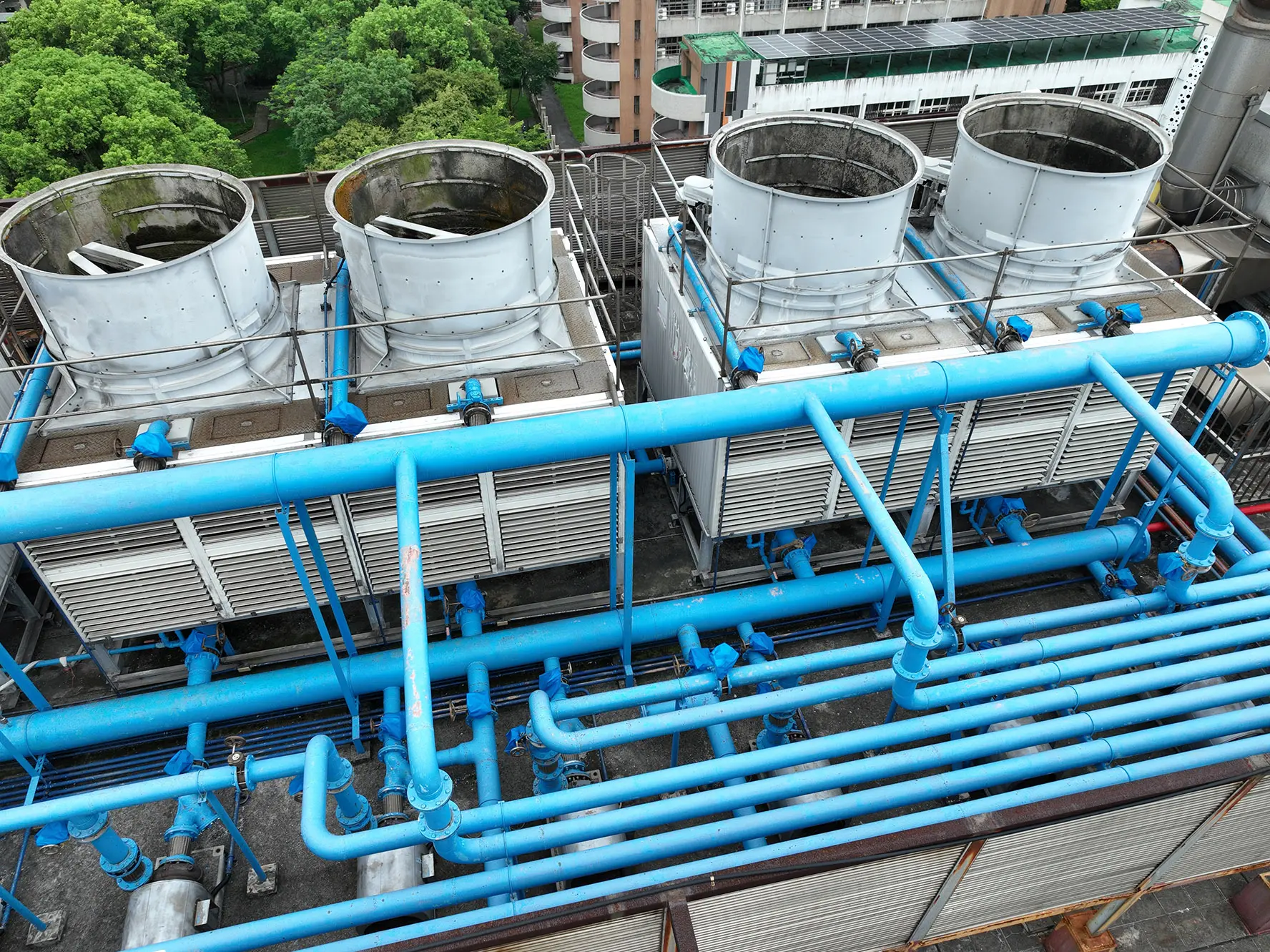
Data centers across seven U.S. states depend on roughly 3.4 trillion gallons of freshwater every year, according to a report published August 25, 2026 by Ceres, a sustainability nonprofit. The report, titled "Water Behind the Watts: The Hidden Risk of Powering Data Centers," looks at water consumption tied to data center power demand in Virginia, Texas, California, Illinois, Georgia, Ohio, and Arizona. Together, these states host about half of all U.S. data centers Ceres.
The report's central finding shifts the conversation about data centers and water. The biggest source of water use is not the cooling systems inside the data centers themselves — it is the power plants that generate their electricity. To put that 3.4 trillion gallons in perspective, it is about 12 times what Los Angeles, Phoenix, and Washington, D.C. combined use in a year Ceres.
The state-level numbers show the scale. In 2024, power plants generating electricity for data centers withdrew 1.4 trillion gallons of water in California and 753 billion gallons in Virginia Bloomberg Government. Data centers currently use about 4% to 5% of all electricity in the United States Ceres. For comparison, a single typical data center uses about 300,000 gallons of water per day just to keep its own equipment cool Brookings.
Many of these power plants are in places where water is already scarce. Sixty-six percent of power plants using water for generation in these seven states faced medium-high to extremely high water stress. That means the regions where these plants operate are already dealing with drought or long-term water shortages Ceres.
The problem is expected to get worse. Annual water use tied to data center electricity consumption is projected to grow by about 400% in the coming years. Water used directly for data center cooling is projected to grow by about 870% over the same period Ceres Brookings. The main driver is the rapid expansion of artificial intelligence systems, which need more power and more cooling for the computers that run them.
The report lays out steps that power companies, data center operators, policymakers, and investors can take to assess and address water-related risks. Recommendations include choosing facility locations more carefully, adopting power generation technologies that use less water, improving cooling system design, and giving investors better information about exposure to water shortages Ceres.
The broader context here is that for the last two years, the industry has been focused on whether the electric grid can supply enough power, and on signing contracts for nuclear and renewable energy. The Ceres report widens that lens: the constraint is not just electricity itself, but the water needed to produce that electricity. In places like the Colorado River watershed or the aquifers supplying Virginia's Loudoun County data center corridor, power plants, farms, and local communities are already competing for the same limited water. Operators choosing sites based on available electricity may be overlooking water risk in the power supply chain, not just in their own buildings.
For infrastructure planners, the report's framing has practical consequences. A data center built near a power plant in a water-stressed region carries a hidden water risk that may not show up in the operator's own accounting but will eventually surface in power contracts, regulatory scrutiny, or community pushback as demand grows. Investors and operators looking at the projected 400% increase in generation-related water use will need to factor water availability into their decisions alongside carbon emissions and how long it takes to connect to the grid.