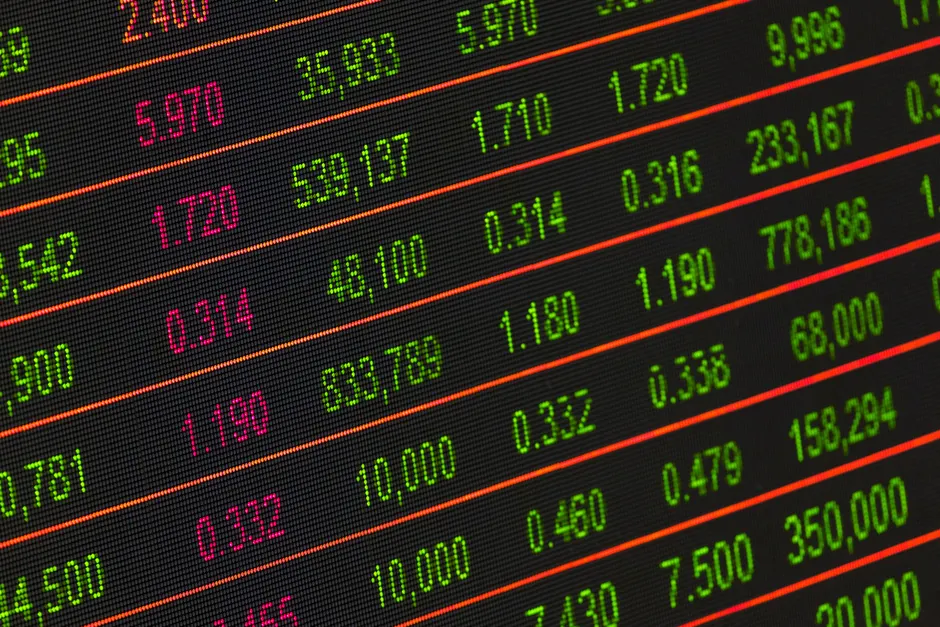
Why the Stock Market Jumped 600 Points Today

The Dow Jones Industrial Average — a widely followed list of 30 major US companies — jumped roughly 600 points on August 26, 2026. The S&P 500 and Nasdaq, two other major stock market measures, rose as well. The reason: oil prices dropped, and a recent slide in bond prices (which had been making investors nervous) calmed down. All of this happened ahead of Nvidia's quarterly earnings report (Yahoo Finance). The move builds on the previous day's gains: Wall Street closed higher on August 25 as technology shares rebounded and a consumer inflation reading that came in as expected did not rattle markets (Reuters).
Early trading on August 26 showed investors leaning into riskier assets like stocks. Major US indexes rose as Treasury yields — the interest rates the US government pays to borrow money — fell alongside oil prices. Chipmakers, companies that design and build semiconductors, also recovered lost ground heading into Nvidia's earnings (Schwab). The night before, US stock futures had been roughly flat, reflecting caution before both the inflation data and Nvidia's numbers (CNBC).
Nvidia's results are being treated as a broader read on how investors feel about artificial intelligence, not just as one company's report card (Reuters). That makes sense given how much Nvidia's stock has driven overall market moves throughout 2026.
The path has not been smooth. On February 26, Nvidia shares fell 5.5% after its previous earnings report (WSJ). On March 10, Brent crude oil futures fell 11% to $87.80 a barrel; the Nasdaq held a slight gain and Nvidia rose (WSJ). Two weeks later, on March 26, the Nasdaq had its biggest one-day drop since January, pulled down by an 8% decline in Meta Platforms and a 4% slide in Nvidia (WSJ). On July 30, the Nasdaq surged 2.8% (WSJ).
More recently, oil's effect on stock prices has been clear. The S&P 500 fell 0.52% on August 17 as oil prices rose and investors weighed Middle East tensions (CNBC). On another day, chip stocks pulled the Nasdaq lower even though oil prices were falling — and Nvidia was down about 5% (WSJ).
What makes August 26 different is that three positive things happened at once: oil fell, Treasury yields dropped, and the bond sell-off eased. Earlier in 2026, falling oil alone did not always lift the broader market, especially when chip stocks were struggling. This time, chipmakers are leading the rebound, and the bond market is moving in the same direction as stocks.
The broader context here is that a lot is riding on Nvidia's report. The stock has driven both the highs and lows of major market moves all year — from the February 26 post-earnings drop, to the March 26 Nasdaq selloff, to the July 30 surge. A report that disappoints, or even just meets already-high expectations, could quickly reverse the rally's momentum. On the flip side, the inflation reading from August 25 came in as expected, removing one potential roadblock and leaving Nvidia as the main driver of where markets go next.
The oil side matters for a separate reason. The August 17 selloff, tied to rising crude prices and Middle East tensions, showed that global political risk can override tech optimism very quickly. If oil keeps falling, the current positive mood in markets could last. If oil reverses, it would test whether the chip-led rally can hold up on its own.
For now, markets are reflecting a favorable picture: oil cooling, bonds stabilizing, and tech rebounding — all ahead of the one earnings report that has consistently moved markets in 2026.