Iran and Oman Want to Reopen a Key Oil Shipping Route — Here's the Plan
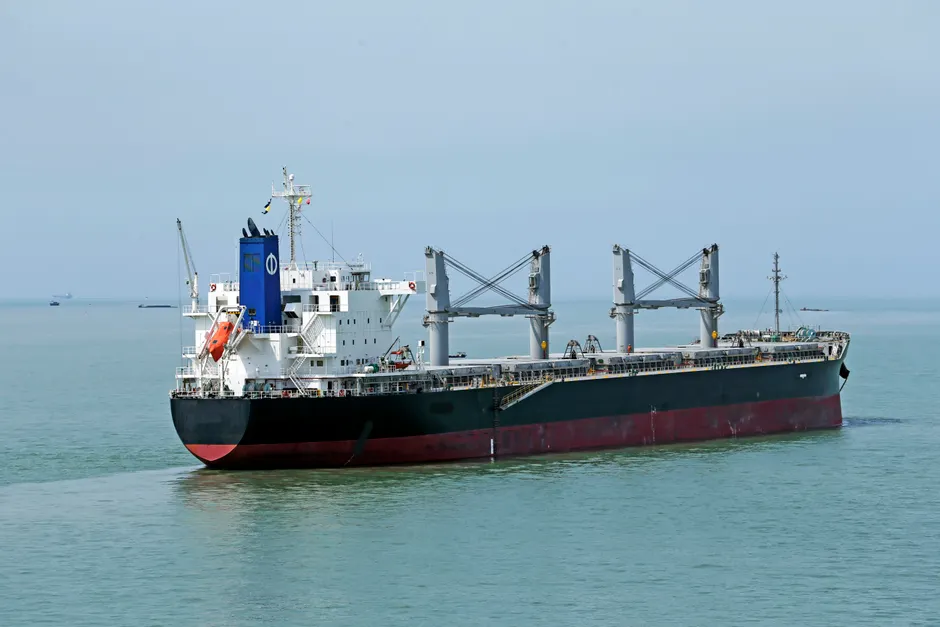
Iran and Oman have proposed setting up a temporary shipping lane and clearing underwater mines in the Strait of Hormuz, according to CNN. The strait is a narrow strip of water between the Persian Gulf and the open ocean, and about a fifth of all oil shipped by sea passes through it.
Oman's foreign minister said he hopes the two countries will "soon announce" a joint temporary shipping route through the strait, Al Jazeera reported. The temporary route could eventually become a permanent arrangement for managing the strait, CNBC noted. The Times of Israel confirmed that the two sides discussed combining the shipping-lane plan with a mine-clearing effort.
The proposal builds on earlier talks. On August 8, Iran said a deal with Oman on controlling the strait was close, but warned that the deal alone would not be enough to reopen the waterway, Reuters reported. The proposed Iran-Oman agreement, meant to help end five months of war, would give Iran authority over ships entering the Gulf through the strait, according to Reuters. Ship traffic through Hormuz was already limited as of August 13 because of competing claims from the United States and Iran, Reuters reported.
The mine-clearing part of the plan matters because mines are explosive devices placed underwater to damage ships. They are a physical obstacle blocking commercial traffic, and they need to be removed before shipping can return to normal. By pairing the shipping-lane proposal with demining, Iran and Oman appear to be tackling both the political problem of who controls the strait and the physical problem of making the water safe to navigate.
Think of the Strait of Hormuz as a toll booth on a highway. Right now, outside countries, mainly the United States, help keep that toll booth running by protecting ships as they pass through. An Iran-Oman arrangement would put the two countries that sit on either side of the booth in charge of it instead.
The broader context here is a five-month war that has disrupted one of the world's most important shipping routes. Ship traffic is already limited, and the United States and Iran are arguing over who has the right to navigate the strait freely. Iran's warning on August 8 that an agreement "will not open the waterway by itself" points to problems that remain even if Iran and Oman reach a deal: the war is still going on, the US and Iran disagree over navigation rights, and it is unclear how a new shipping lane would work with international shipping insurance and maritime law. The proposed plan to give Iran authority over ships entering the Gulf would matter far beyond the region, because it would give whoever controls the strait influence over global oil supplies. Oman's role as co-sponsor is important, too, since Oman is a member of the Gulf Cooperation Council and has long served as a mediator between Iran and Western governments, giving the proposal credibility that Iran acting alone would not have.
Whether the proposal moves from discussion to an actual announcement, and whether a temporary route can work before a permanent plan is settled, depends on things the two countries have not yet addressed publicly: how other countries react, whether insurance companies will accept the new setup, and how long demining will take. Oman's foreign minister said an announcement is coming soon. But as Iran has acknowledged, the gap between announcing a plan and actually making it work is still the unanswered question.


