Robots Are Getting Smarter Fast — But There's a Catch
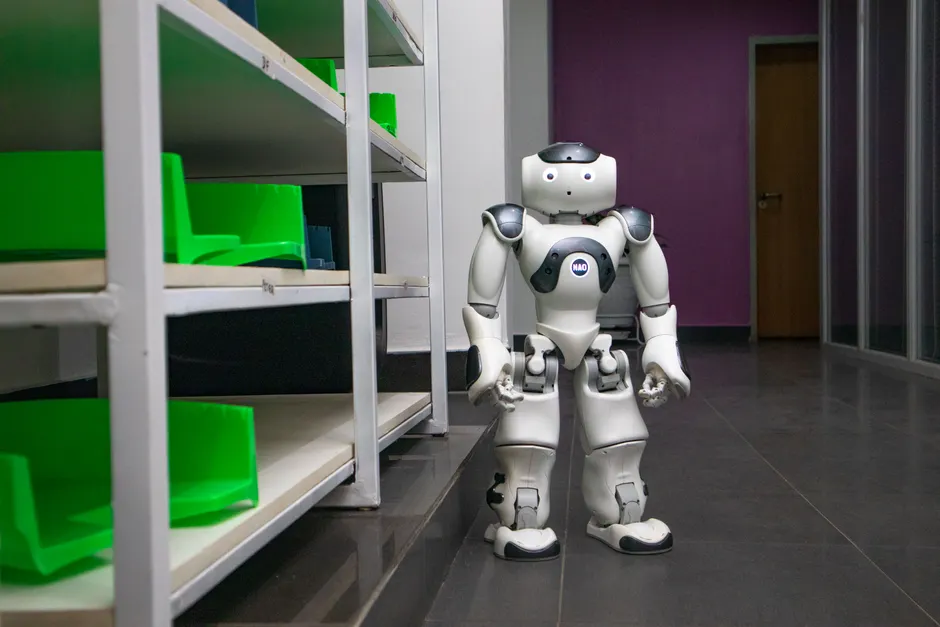
Companies building artificial intelligence for robots say the field is outgrowing its early, clumsy phase. Harry Mellsop, founder of the simulation startup Antioch, calls this the "GPT-2 era" of physical AI — a comparison to the 2019 version of the text generator GPT-2, which showed promise but was far from today's capabilities. Mellsop spoke at the Actuate conference, as TechCrunch reported on August 26, 2026.
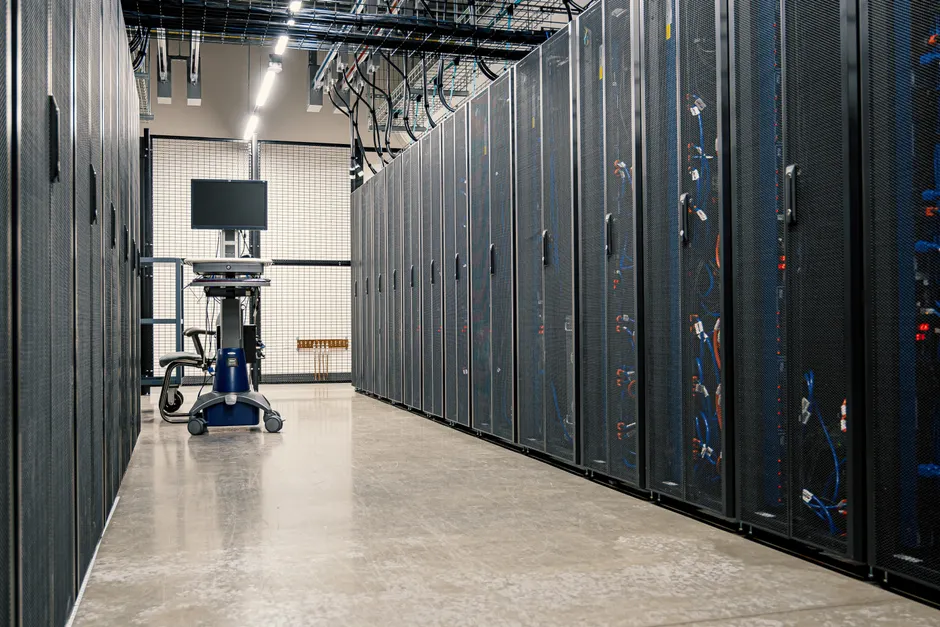
The conference, organized by a company called Foxglove, drew 1,500 attendees in 2026 and has tripled in size since 2023. Foxglove, founded by former employees of Cruise (General Motors' self-driving unit), builds tools that help robot AI developers manage and visualize their data. The message on the conference floor was clear: the biggest problem is not smarter algorithms but getting enough good data. A company called Avala had a booth sign promising to solve "the robotics data crisis."
Several companies showed off new AI models for robots. Physical Intelligence announced a model called π0.7 on April 16, 2026, which can perform dexterous tasks including folding laundry. Skild AI is building a single AI system, called Skild Brain, designed to work across many robot types — four-legged robots, humanoids, small table-top robots, and robots with arms that move around. Pudu Robotics announced its own model, PuduFM, alongside a new industrial robot called the Pudu D7 at a major conference in China called WAIC 2026.
The money behind these efforts is large. Genesis AI, a humanoid robotics company led by CEO Théophile Gervet, raised $105 million in seed funding in 2026. Unitree, described as China's leading robot maker, was valued at $66 billion when it went public on China's equivalent of the NASDAQ. Then it lost nearly half that value in the following week.
Established companies from related fields are also joining in. Wayve, an autonomous-vehicle company, started a robotics lab focused on humanoid robots. Uber launched a similar research lab. Tesla is trying to use its existing AI tools to compete with dedicated robot makers through its Optimus robot. Alex Kendall, CEO of Wayve, said manipulation robotics is "like self-driving five years ago," meaning the technology is at an early but promising stage.
Academic research is moving ahead too. A 2026 paper by Y Liang proposes a long-term roadmap for physical intelligence centered on what it calls an "embodied brain." A 2026 review by M Lisondra, published in MDPI's Robotics journal, is described as the first systematic review of AI foundation models in mobile service robots. A major computer vision conference, CVPR 2026, will host its first workshop on deploying these models in robots. Technology called "world models," which let robots learn by simulating and predicting what will happen, was a key topic at WAIC 2026.
The chairman of ACE Robotics has predicted that robotics AI will have its "ChatGPT moment" — a sudden leap into mainstream usefulness — by the end of 2027.
The range of activity is striking: simulation companies, data startups, AI labs, robot builders, and self-driving car companies all betting on the same idea. The comparison that keeps coming up is text AI around 2019, when GPT-2 showed what was possible and GPT-3 showed what scale could do. The expectation is that robot AI will make a similar jump.
The broader context here is that the gap between an impressive demo and a profitable product showed up clearly in Unitree's first week as a public company. A $66 billion valuation cut in half in five days is the market's way of saying that a robot that can perform in a video is not the same as a robot that can earn revenue. The progress in AI models is real, but the "robotics data crisis" that Avala's sign pointed to is a genuine problem that text-based AI never faced. Language models train on enormous amounts of text that already exist on the internet. Robot AI models need data about the physical world, and that data has to be collected, simulated, or generated through remote control — one slow step at a time. The tools for doing that are still being built.
In this author's view, the companies that solve the data problem may end up mattering more than the ones with the most impressive demo videos. Whether 2027 brings the predicted "ChatGPT moment" or not, the combination of new models, new tools, and serious capital suggests the field will keep pushing hard.