Stocks Dipped Ahead of Nvidia's Big Earnings Report — Here's Why It Matters

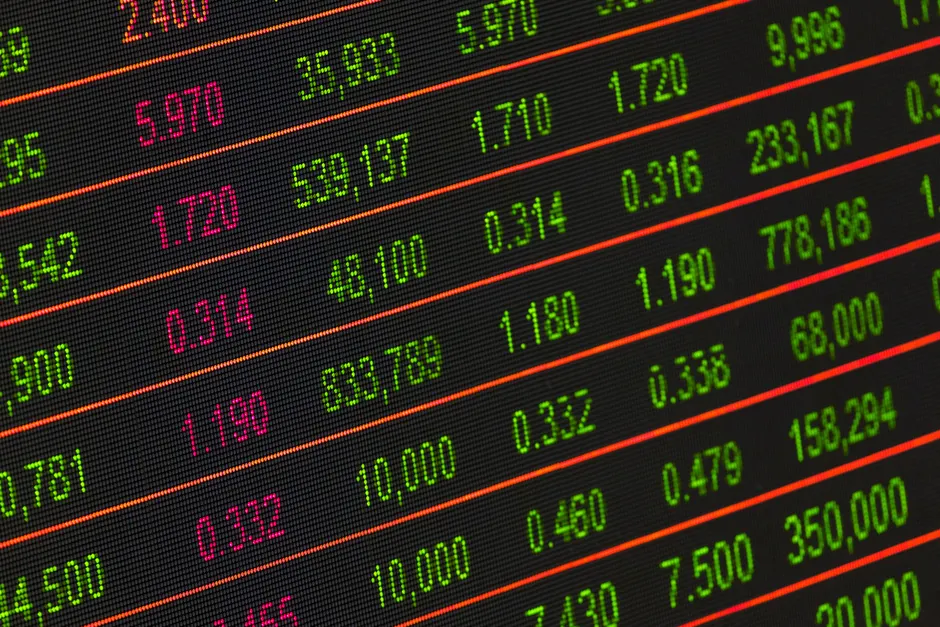
U.S. stocks closed slightly lower on August 26, 2026. The Dow Jones Industrial Average fell 0.23% and the Nasdaq fell 0.16%, as investors waited for Nvidia's earnings report and reacted to inflation numbers that came in higher than expected (Reuters). Each major index dropped less than half a percent — a small move that hid a more cautious mood underneath.
Nvidia shares slipped 1.2% during the day ahead of the report (Reuters). The stock was up about 13% for the year but down roughly 1% on the day (WSJ). It was trading at about 25 times its expected future profit (Yahoo Finance).
That last number needs some unpacking. "25 times expected future profit" means investors are paying $25 for every $1 of profit analysts think Nvidia will make over the next year. It's a way to measure how much optimism is already built into the price. A higher number means investors are paying a bigger premium because they expect great results.
Nvidia's valuation has come down from its peak. During its most aggressive rallies, the stock traded at 35 to 40 times expected profit. At 25, it is not extreme by Nvidia's own history, but it leaves less room for disappointment. The broader context here is that the market expects strong results but is no longer demanding perfection — and that distinction matters for how the report gets received.
Nvidia's recent track record after earnings tells a story of its own. The shares have fallen the day after each of its past four earnings reports, averaging a 2.8% drop (WSJ). The reason is that expectations reset higher every time the company reports, making it harder to impress even when the results are objectively good. A strong report that would have sent the stock soaring 18 months ago now triggers selling, as traders who bought in before the announcement lock in their gains.
The small index drops also show that Nvidia's earnings have lost some of their power to move the whole market. Earlier in the AI boom, a Nvidia earnings night could send index futures gap up or down and cascade into the next trading day. This time, futures were calm and volatility was low heading into the report, suggesting investors are more balanced and no longer betting everything on Nvidia's numbers alone.
The inflation data released the same day added another wrinkle. When inflation runs hot, it makes the Federal Reserve less likely to cut interest rates. Stock prices tend to rise when investors expect rate cuts, so when those expectations shift, the most expensive stocks take the biggest hit. Think of it like a seesaw: higher rate expectations push down on one side, and the priciest stocks sit on the other end. Nvidia at 25 times expected profit is not the most expensive stock out there, but it is pricey enough that a shift in rate expectations could cancel out a good earnings report. What makes this day unusual is that investors were not just reacting to Nvidia — they were reacting to Nvidia through the lens of inflation data that had shifted hours earlier.
For traders heading into the report, the question is whether the pattern of next-day declines holds. Four drops in a row is a small sample, but the forces behind it are built into how the market works rather than being random. Options positioning, how market makers hedge their trades, and the unwinding of protective bets all create selling pressure once the uncertainty of the report passes — no matter what the headline number says. And if the inflation data has already made investors nervous about rates, any comments from Nvidia about future spending plans or data-center demand will be judged through that lens first, and through the actual results second.
What is genuinely uncertain is whether the stock can break its four-report losing streak. The 13% year-to-date gain is modest for Nvidia, suggesting some enthusiasm has already cooled. A strong report with raised guidance could, in principle, break the pattern — but the combination of the inflation data and shifting rate expectations means the reaction will likely be more complicated than a simple good-or-bad outcome.
None of this is a recommendation to buy or sell the stock. The facts point to a setup where recent history favors weakness after earnings, but where the valuation and the economic backdrop have both changed enough that the old pattern may not simply repeat.