A Sudden Flood in the Himalayas Has Left About 1,500 People Missing

A flash flood hit the border area between Nepal and China around August 27, 2026, leaving nearly 1,500 people missing across both countries, including more than 700 foreigners. Three people have been confirmed dead in Tibet's Gyirong county, where 558 people, including 260 foreigners, are unaccounted for. Nepalese police and tourism officials said 826 people are missing in Nepal, nearly 500 of them foreigners. Combined, the total missing is above 1,300, with Reuters reporting a figure close to 1,500 Reuters. The difference in the numbers comes from how fast the disaster is unfolding and how hard it is for two countries to share information during an emergency.
A flash flood is a sudden, fast-moving flood that can happen when heavy rain overwhelms rivers and streams, often with little warning. Among the missing foreigners are 63 Americans, according to NBC News NBC News. The large number of foreigners in the area makes sense because the Himalayas are a popular destination for hiking and climbing, especially in summer when trails on both the Nepalese and Tibetan sides are busy with visitors.
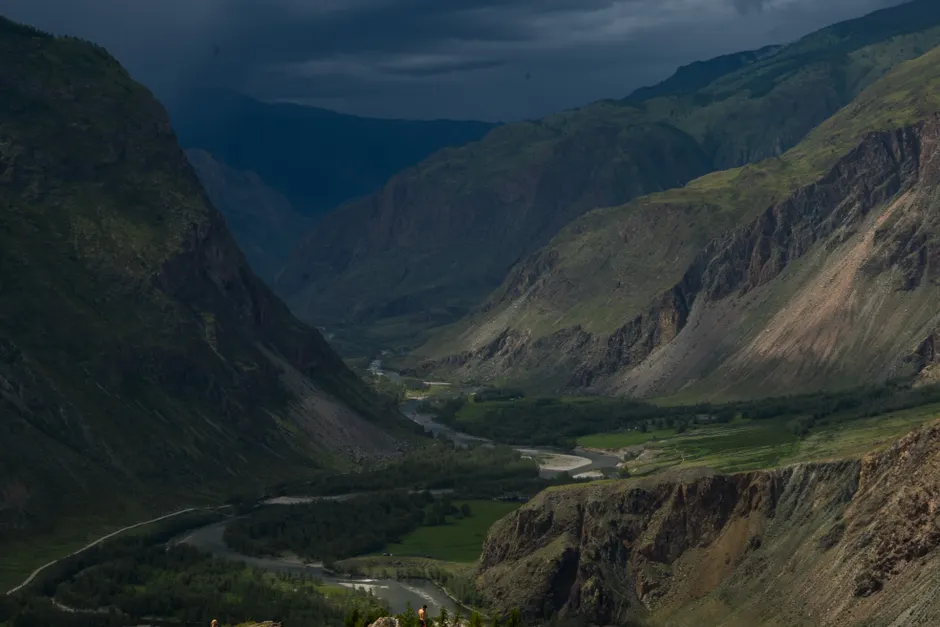
The flooding seems centered on Gyirong county in Tibet and nearby districts in Nepal. Gyirong is a border county with a crossing point between China and Nepal, sitting along a river valley that carries heavy water flows during the monsoon season. Nepalese authorities have not yet given a detailed breakdown of where the missing people in Nepal are located, but police and tourism officials are working with foreign embassies to identify and find their citizens. The Guardian reported that authorities across both countries confirmed more than 1,000 people missing, including almost 800 foreigners The Guardian. BBC News separately confirmed the figure of 558 missing in Gyirong county with three confirmed deaths BBC News.
Al Jazeera put the overall figure at more than 1,300 missing across Nepal and China Al Jazeera. The range in reported numbers, from 1,000 to nearly 1,500, is common in the early stages of a disaster in a remote area where phone and internet service is limited and where agencies on each side of a border are working separately.
The large number of foreign nationals involved adds a diplomatic challenge to what is already a difficult cross-border emergency. With 260 foreigners missing in Gyirong alone and nearly 500 in Nepal, governments around the world will need to respond at the same time through their embassies. The 63 Americans among the missing will likely draw particular attention from U.S. diplomatic offices in both Kathmandu, Nepal's capital, and Beijing, China's capital.
The broader context here is that Himalayan border areas have long been prone to flash floods during the monsoon season, and because the disaster spans two countries, rescue efforts are harder to coordinate. Nepalese and Chinese authorities use different procedures, communication systems, and chains of command, which makes sharing information and working together more difficult. The Gyirong border crossing is one of the main land routes between China and Nepal, so any disruption to it also affects travel and trade across the region.
Rescue operations were underway as of August 27, but the affected areas are remote and the risk of more flooding remains. The three confirmed deaths in Gyirong are the only fatalities reported so far, but with so many people missing across rough and hard-to-reach terrain, the death toll could rise as rescue teams reach isolated areas.