Nepal Floods: 41 Australians Missing and a Race to Find Them
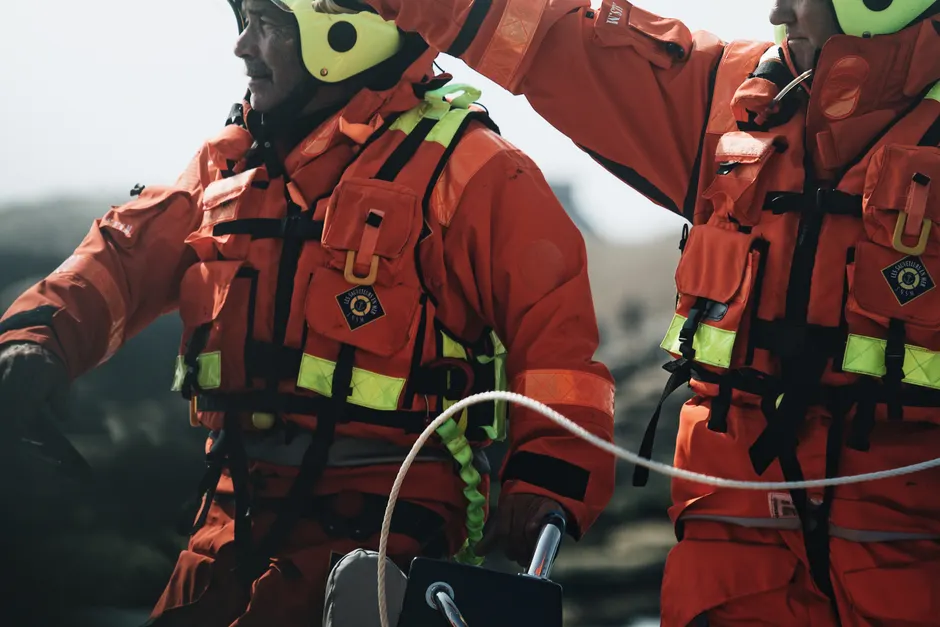
The number of Australians reported missing in Nepal's flooding disaster rose to 41 on 28 August 2026, up from 38 earlier that evening. Rescue operations along the Nepal-Tibet border restarted after being paused because of the risk of more flooding.
Nepal's disaster management agency says 1,924 people are unaccounted for in total, including 517 foreign tourists. The Red Cross estimates about 600 people have died and as many as 93,000 have been affected by flash floods that hit the Nepal-Tibet border area on Wednesday. Nepal's disaster authority said 121 foreigners had been rescued by about 7:30pm on Friday 28 August, but none of them were Australian. (The Guardian)
The Australian missing count changed several times over 36 hours. Prime Minister Anthony Albanese confirmed 34 Australians were missing on 27 August. The number was later reported at 39 before settling at 41. Australia's Department of Foreign Affairs, known as DFAT, has received more than 450 calls about the disaster. At least 35 Australians were known to be travelling in the affected area of Nepal and China, according to an earlier DFAT briefing. (SBS News)
One Australian, Cara Severino, 25, became the first of the missing to be confirmed safe after she contacted her parents on Friday morning. She had been hiking with a group of Nepali trekkers toward Kathmandu on a route over 110 kilometres long, far from the flood zone. Her story shows how the high missing count is driven largely by communication blackouts. Phone and internet service has been cut off in the disaster area, so people who may be safe simply cannot reach anyone to say so.
Australia's response has scaled up quickly. Four DFAT crisis response officers were expected to arrive in Kathmandu on Saturday, along with four rapid response team members who specialise in communications, logistics, and humanitarian planning. Australia already had about 20 staff at its embassy in Kathmandu. On Friday night, Foreign Affairs Minister Penny Wong spoke with Nepali Foreign Minister Shisir Khanal about further Australian help, and Australia pledged $5 million in aid. The Australian charity group Emergency Action Alliance was also raising money for emergency shelters, food, safe drinking water, hygiene supplies, and medical care.
Rescue operations in Nepal and China resumed on Saturday morning after being suspended because of the risk of more flooding. The pause shows the difficult situation facing rescue teams: they face not only the flood damage and the large number of missing people, but also the danger of new floods in a region where steep terrain and heavy seasonal rains make access difficult.
Smartraveller, the Australian government's travel advisory service, has issued warnings for flash flooding and mudslides in Nepal and China. It has directed affected Australians to call the consular hotline at 1300-555-135 or the 24-hour consular emergency line at +61 2 6261 3305.
The toll among Nepali citizens is also large: 127 Nepali tourists are among the missing, alongside the 517 foreign citizens. The total of 1,924 unaccounted for spans people of many nationalities, all concentrated in a border area that is popular for trekking and adventure tourism. (ABC News)
The broader context here is that this disaster hit a perfect storm of bad timing and geography. The Nepal-Tibet border draws trekkers from all over the world, and the floods struck in the middle of trekking season, when the remote valleys are packed with visitors at their highest point of the year. Picture a small mountain town suddenly flooded at the height of tourist season: lots of visitors far from home, with few roads in or out and limited ways to evacuate.
For Australia, the response follows a playbook used in past overseas disasters: setting up extra hotline capacity, coordinating from the embassy, and sending in specialist teams to work with the host country's disaster response. The $5 million pledge and the sending of both consular and humanitarian teams suggest Canberra is preparing for a long operation, not a quick rescue. Whether the missing Australian number drops quickly will depend on how fast phone and internet service comes back in the affected areas, so that people who are out of touch, like Cara Severino was, can confirm they are safe.


