A Newborn Baby Was Found in a Rubbish Bin in Sydney. Here's What We Know

Police in Sydney have found the body of a newborn baby boy in a rubbish bin on Harrow Road in Auburn, in the city's south-west, on Monday 31 August 2026. Emergency services were called to the area at 11:20am that morning, and officers from the local Auburn police command found the body when they arrived. The Guardian
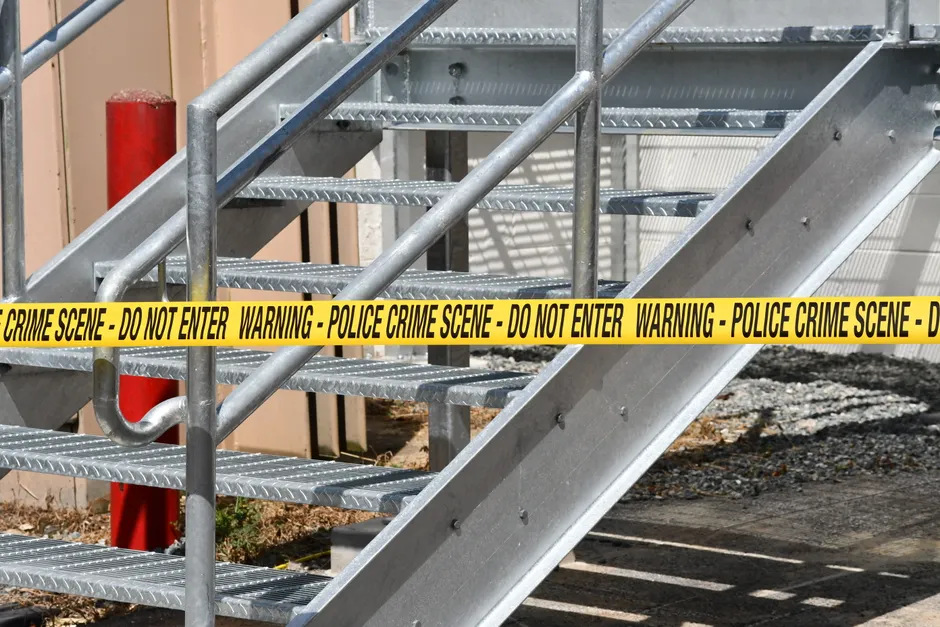
Police cordoned off the area and began looking into how the baby died. By the afternoon of 31 August 2026, they had not been able to find the baby's mother. AAP
Police said they were very worried about the mother's health and asked her to go to the nearest hospital right away for medical care. They put out a public message at about 2:30pm on Monday, 31 August 2026, titled "Serious concerns held for mother's welfare after newborn's body located - Auburn." NSW Police
Police also asked the public for help. They want anyone who was near Harrow Road and might have dashcam footage or video on their phone to contact Auburn police station or Crime Stoppers on 1800 333 000. A press conference, where police speak to reporters to share updates, was planned for 4pm AEST on 31 August 2026. The Guardian
To understand why police are responding this way, it helps to know a few things. Cases where newborns are abandoned do happen from time to time in Australia. They often involve a pregnancy that was kept secret, serious emotional distress around the time of birth, and sometimes the possibility of criminal charges. In New South Wales, hiding the birth of a child is a crime that can carry up to two years in prison under a law called section 85 of the Crimes Act 1900. But deciding whether to charge someone is often difficult, because the period after giving birth can involve serious mental health struggles that complicate the situation.
The bigger picture here is that police seem to be doing two things at once. They are investigating what happened to the baby, and at the same time they are treating the mother as someone who may urgently need medical help. By putting the mother's health front and centre in their public messages, even while detectives examine the scene, police are signalling that finding her and making sure she gets care is their top priority. This is similar to how police in other Australian states have handled comparable cases, where they try to collect evidence while also sending a public health message to a woman who may have given birth without any medical help.
Some important details are still missing. Police had not said publicly how the baby died. It was not clear whether the baby was alive when he was placed in the bin. They had not said whether a post-mortem, the medical examination done to find out how someone died, had been scheduled or completed. The mother's identity and age, and what led to the baby being left in a bin on a residential street in Auburn, are all still being investigated.
Auburn is in Sydney's western suburbs. It is a busy, culturally diverse area. Harrow Road is a mix of homes and small businesses, which means there are likely to be security cameras, passing cars, and people around. The fact that police are asking for dashcam and phone footage suggests they are trying to figure out who was in the area and what happened in the hours before the 11:20am emergency call.
The press conference planned for 4pm AEST suggests police intended to share more details, possibly including a description of the person they are looking for, early findings from the scene, and updated timelines. Press conferences in cases like this do two things: they quickly spread information to the public, and they send a direct message to the mother, who may be watching the news, to go to a hospital.
In the days ahead, the investigation will likely focus on three things: what a post-mortem finds, how useful the community's footage and tips turn out to be, and whether the mother comes forward or is found through medical records. Hospitals and doctors in Auburn and nearby areas may hear from police asking about women who have recently sought help for problems after giving birth without medical supervision.