Belkin's New Power Banks Use a Safer Battery Type — Here's What That Means for You
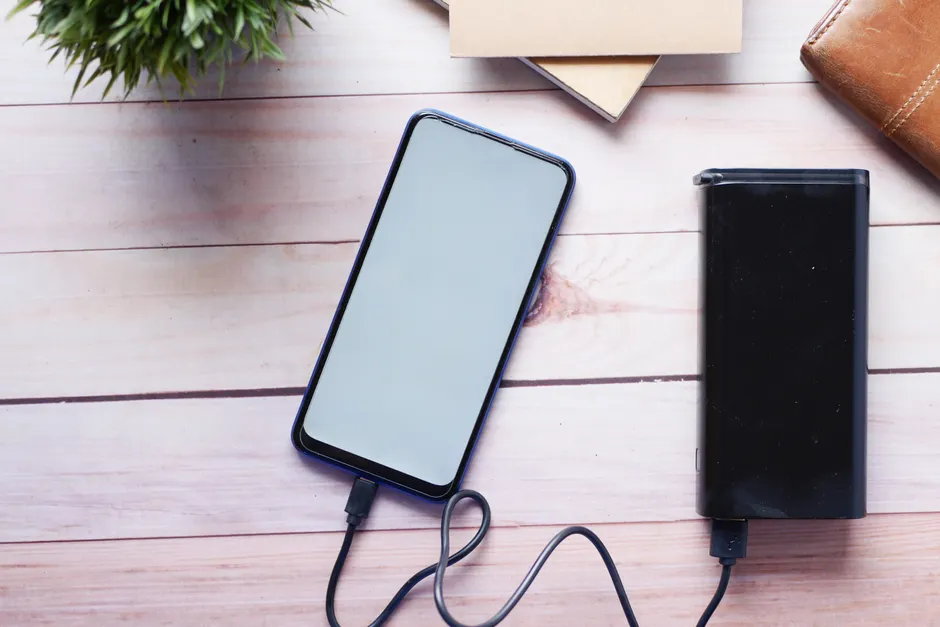
Belkin has launched its first power banks using a newer battery technology called semi-solid-state, sold under the name BoostSolid Cell. The UltraCharge Pro lineup, announced September 3, 2026, includes two models: a slim 5,000mAh magnetic wireless charger and a larger 10,000mAh USB-C charger with a built-in display. Both cost more than regular power banks. The Verge
Most portable chargers today use lithium-ion batteries, which contain a liquid that carries charge between the battery's internal layers. If something goes wrong inside the battery, that liquid can overheat, swell, or in rare cases catch fire. Semi-solid-state batteries add a gel-like layer alongside the liquid. Think of it as adding a fire-resistant cushion inside the battery: the liquid still does its job, but the gel makes it harder for heat and short circuits to spread. Belkin says this reduces the risk of swelling and fires, keeps power steady across a wider range of temperatures, and lasts up to three times longer than conventional power banks.
The UltraCharge Pro Slim Magnetic Power Bank 5K Qi2 15W costs $69.99. It magnetically attaches to the back of compatible phones and charges them wirelessly at up to 15 watts. Its USB-C port can charge a single device at up to 22.5 watts. When charging two devices at once, output splits to 5 watts wirelessly and 12 watts over USB-C. Belkin says the Slim is 40 percent thinner than other 5,000mAh power banks, crediting the semi-solid-state cells for packing the same energy into a smaller space.
The UltraCharge Pro Power Bank 10K 60W with BoostSolid Cell and Display costs $89.99. It can deliver up to 60 watts over a single USB-C connection, which is enough to charge a laptop. It has two USB-C ports and one USB-A port for charging multiple devices at once. A small screen on the bank shows the charge level, how much power it is currently outputting, and its internal temperature. Belkin says the 10K is slimmer than competing power banks at the same capacity, again crediting the semi-solid-state chemistry.
Belkin is not the first company to sell semi-solid-state power banks. BMX, Kuxiu, and Zens already offer products using the technology. The category has been working its way toward mainstream stores for several quarters, starting with smaller batteries before reaching larger uses like electric cars. Belkin's entry matters because of its size: the company has sold over 1 billion products worldwide and calls itself the top wireless charging brand. BusinessWire
The main question for buyers is whether the higher price is worth it. At $69.99 for 5,000mAh and $89.99 for 10,000mAh, both models cost more than regular power banks with similar capacity and charging speed. The reason to pay extra would be longer life and better safety, but Belkin has not yet provided independent test data to back up those claims in its announcement materials. Buyers are paying upfront for benefits that only show up over time and under conditions most people will never actually experience.
The safety argument is where this battery technology has its strongest case. The gel layer inside the battery physically slows down the kind of internal short circuit that causes overheating in regular lithium-ion cells. Whether that actually leads to fewer failures in real-world use for small power banks, which already have low failure rates compared to larger batteries, is something the industry has not yet proven with large-scale data.
The UltraCharge Pro line also builds on features from Belkin's existing BoostCharge lineup. The 15-watt wireless charging matches what Belkin already offers in its BoostCharge Slim Magnetic Power Bank series. The 60-watt USB-C output on the 10K model is a jump from the 20- and 22.5-watt outputs in earlier generations, making it capable of charging a laptop in a pocketable size. The display showing temperature and power draw is a practical touch, giving users a window into the heat behavior that semi-solid-state technology is designed to manage.
Belkin's product history includes a 65-watt, 20,000mAh laptop power bank announced at CES 2025 and a BoostCharge Pro 3-Port Laptop Power Bank 20K priced at $89.99. The UltraCharge Pro 10K matches that price at half the capacity, with the extra cost going toward the semi-solid-state cells, the display, and the 60-watt output capability. BusinessWire
In my view, the UltraCharge Pro lineup is an early sign that semi-solid-state battery technology is starting to move from research labs into everyday consumer products. The chemistry is not yet fully solid-state; Belkin's gel-based approach is a halfway step. But the fact that a major accessory maker is willing to charge more for this technology suggests it believes shoppers will find the longer-life and safer-battery story compelling enough to pay the difference. If the three-times-longer-lifespan claim holds up under independent testing, the math could work in favor of semi-solid-state for people who use their power banks heavily. That is a meaningful "if," and one worth watching as outside evaluations start to appear.