Broadcoin's Big AI Chip Boom — and a Hint It Might Be Cooling
Broadcom, a major technology company, reported revenue of $29.6 billion for its third quarter on September 2, 2026. That was an 86 percent increase from the same period a year earlier, and it slightly beat what analysts had predicted, according to Reuters. The company's profit (called operating income, which is what's left after paying the costs of running the business) was $16.0 billion. Earnings per share — a measure of profit divided among all shares of stock — reached $3.32, per CNBC.
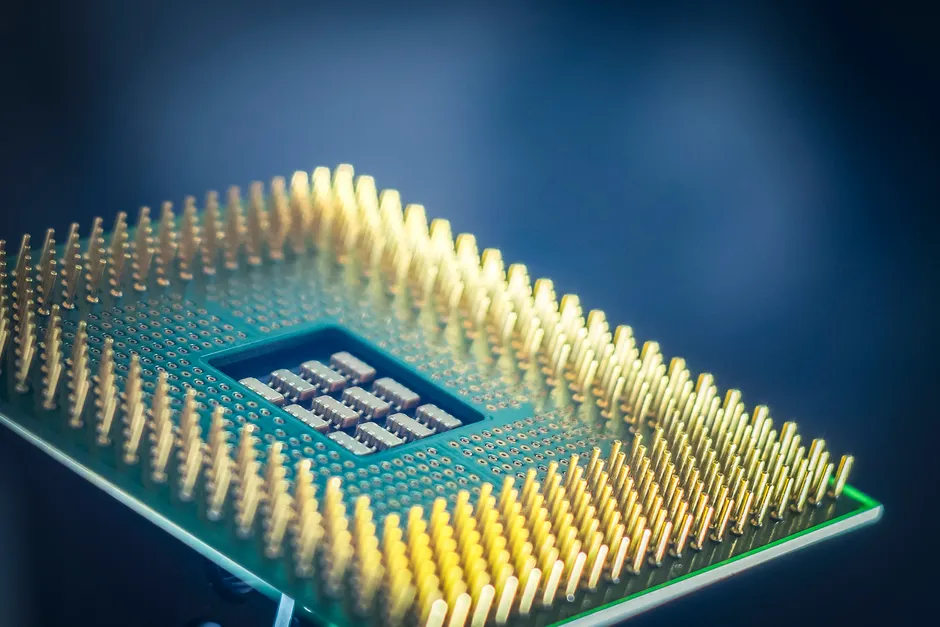
The biggest number in the report was AI chip sales. They more than tripled to $16.7 billion, Reuters reported. AI chips are specialized processors designed to power artificial intelligence systems, and they now make up about 56 percent of everything Broadcom earns in a quarter. That is a major shift for a company that used to rely more on older networking and broadband products. The 86 percent overall growth is partly inflated because Broadcom recently bought other companies, including a large one called VMware. But even accounting for that, the AI part of the business is growing far faster than everything else.
The broader context here is that Broadcom has become one of the main alternatives to Nvidia in supplying custom AI chips to the giant cloud companies that run massive data centers — the facilities packed with computers that power services like streaming, email, and AI tools. The fact that AI chip revenue tripled to $16.7 billion in a single quarter shows how much money is flowing toward chipmakers other than Nvidia, even though Broadcom does not disclose how many chips it sold or which customers bought them.
However, the company's forecast for the next quarter disappointed some. Broadcom said it expects fourth quarter revenue of about $34.8 billion, which is 93 percent higher than a year ago but still below the $35.03 billion analysts had expected, per CNBC. The gap is roughly $230 million, which is small for a company this size, but the direction matters: Broadcom just beat expectations for this quarter, then chose to forecast below them for the next one. When a stock's price is built on expectations of fast growth, even a small shortfall in the forecast can push the share price down.
The 93 percent projected growth figure also needs a closer look. Part of it comes from the fact that Broadcom bought VMware during the past year, so comparing to the year before is not apples-to-apples — the company now has revenue it did not have before. Broadcom has not separated out how much growth came from the business it already had versus growth from acquisitions.
On profit margins, the company's $16.0 billion in operating income against $29.6 billion in revenue works out to about 54 percent. That means for every dollar of revenue, Broadcom keeps roughly 54 cents as operating profit. That is high for a chip company, but Broadcom is now a mix of hardware and software after the VMware deal, which changes its cost structure. Whether that margin holds up as more revenue comes from AI chips, which have their own design and support costs, is something this report alone cannot answer.
For everyday investors watching the chip industry, Broadcom's results send two signals at once. The AI infrastructure boom is still producing remarkable revenue growth for the companies supplying it. But the gap between Broadcom's next-quarter forecast and what analysts expected raises the question of whether the pleasant surprises are slowing down, even as growth rates stay extremely high. The key difference to watch is between growth slowing down and growth simply not beating expectations — that is where much of the near-term risk for the stock lies.


