Australia Wants to Let You Turn Off the Algorithms That Shape Your Social Media Feed

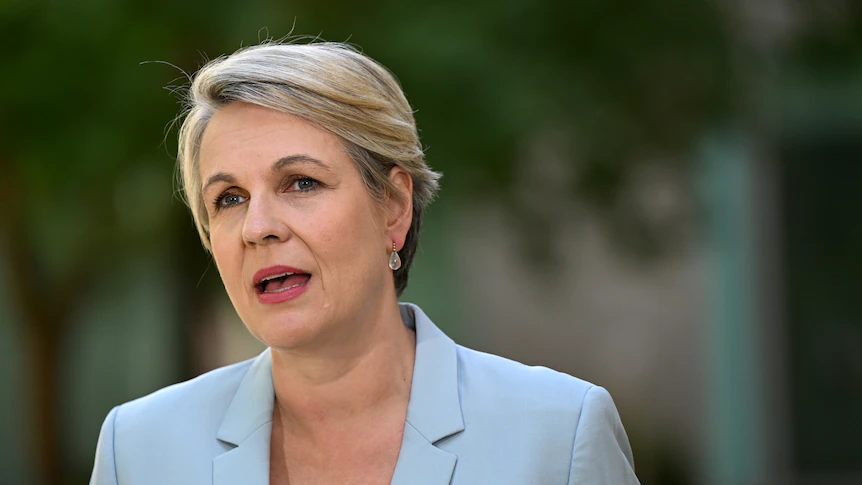
Australia's government plans to introduce new rules this week that would force social media platforms to give users a choice: keep the algorithm that picks what you see, or turn it off. Communications Minister Anika Wells announced the plan to ABC, which first reported the draft bill on September 6, 2026.
A recommender algorithm is the system social media platforms use to decide which posts, videos, and ads show up in your feed. It watches what you like, comment on, and spend time watching, then tries to predict what will keep you scrolling. The government's move follows accusations that platforms like Meta use these systems to push users toward sensational or extreme content to keep them engaged, as reported by Al Jazeera. Social Media Today reported on September 1 that the opt-out requirement is specifically aimed at addressing polarization. Under the draft laws, users could switch off these algorithms in their feeds, as detailed by The Conversation.
The bill does more than offer the opt-out. Wells said it would require companies like Meta to take on a "digital duty of care" — a legal responsibility to actively tackle online harm. This push builds on rules Australia already has in place. In December 2025, Australia banned children under 16 from using social media, calling it a world-first effort to protect kids from online bullying and "predatory algorithms." Updated rules published on March 27, 2026, define "age-restricted social media platforms" as services that use account-based recommender systems. Those platforms must take reasonable steps to stop Australians under 16 from holding accounts, according to the Department of Infrastructure. The United Kingdom and France have since followed Australia in restricting social media access for under-16s.
The under-16 ban has been hard to enforce. A study of 408 teenagers found that 85% of Australians aged 12 to 15 were still using social media three months after the ban took effect, Reuters reported in June 2026. Data published in August showed Australian children were using apps like Instagram and TikTok more, not less, despite the restriction. A parliamentary inquiry looked at amendments to double maximum penalties to A$99 million, according to Reuters.
Wells signaled the broader direction in a June 30 press appearance in Canberra, noting growing momentum to address algorithm-related harms beyond younger people. Opposition Leader Angus Taylor told ABC the Coalition had not seen the Labor government's bill and raised the possibility that it could be a way to censor social media. Legal opponents of the algorithm reforms have pointed to Article 10 (Freedom of Expression) and Article 8 (Privacy and Family Life) as possible grounds to challenge the bill, as reported by 10 News First on September 2.
The broader context here is that Australia is trying to regulate not just what appears on social media, but the systems that decide what appears in the first place. Think of it this way: instead of trying to clean up harmful content after it shows up, Australia is trying to change the engine that delivers it. By pairing a duty of care with an opt-out option, policymakers are saying the algorithms themselves contribute to harm, not just the content they promote.
If the opt-out model becomes law and survives court challenges, it would set a precedent: recommender systems are not untouchable company secrets but settings that governments can regulate. The enforcement gap from the under-16 ban, with 85% of surveyed 12-to-15-year-olds still active, raises real questions about whether governments can actually make platforms comply with these kinds of structural rules. Doubling penalties to A$99 million shows an intent to raise the cost of noncompliance, but the persistence of underage access suggests that detecting and preventing it remains technically hard for platforms whose systems were not built to verify age with certainty.
The mention of Articles 8 and 10 points to possible human rights lawsuits that could test whether forcing an algorithm opt-out interferes with free expression or user privacy. That would shift the debate from consumer protection into constitutional rights territory. How courts balance a mandated algorithm opt-out with freedom of expression arguments will shape whether other countries adopt a similar approach or whether this stays an Australian experiment.