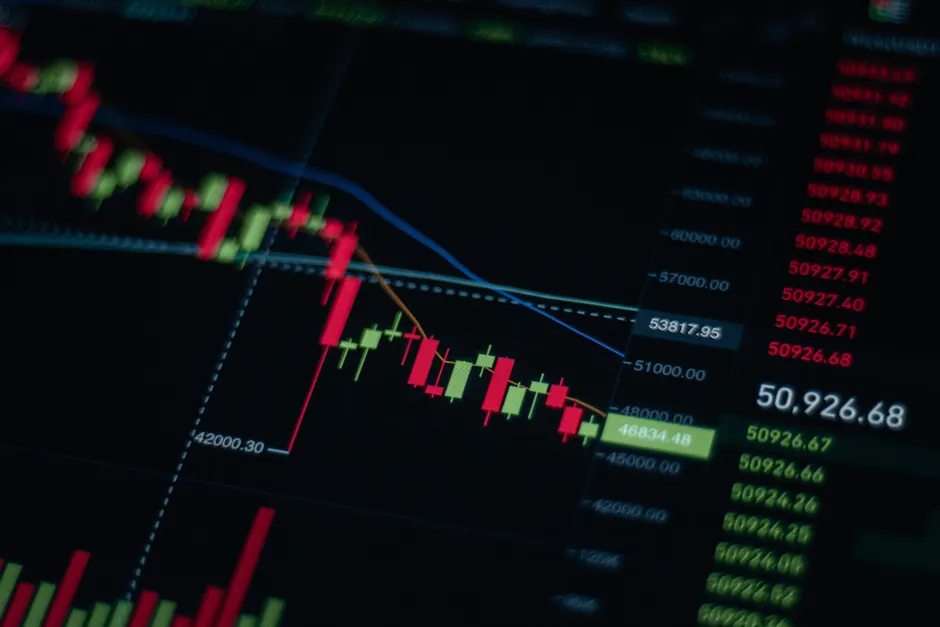
Why AI Stocks Fell and What It Means for Your Money

Wall Street's main stock indexes fell on September 14, 2026, after big AI stocks sold off when top U.S. executives warned about safety risks. Reuters
AI-linked stocks fell around the world that day after leaders of the biggest AI companies warned about risks. Reuters Nvidia shares fell 3.6% and the Philadelphia Semiconductor Index (.SOX), which tracks major chip stocks, fell 5.1%. Reuters
Global stocks fell in mid-September, pulled down by AI shares while oil prices jumped. Reuters The Federal Open Market Committee (FOMC), the Fed group that sets interest rates, meets on Sept. 15-16. Federal News Network
For everyday savers, the point here is that many retirement accounts own these same big stocks, so a drop shows up fast. Positioning was crowded, meaning many investors owned the same names. Cash available for trading thins out before Fed meetings.
Three selloffs, one crowded trade
September was not the first drop. In June 2026, a U.S. AI selloff spread from Wall Street to Asia as investors questioned high prices and heavy spending on AI buildings and chips. The Guardian
The broader context here is that the spread mattered because many funds owned the same stocks. Like everyone standing on one side of a boat, when they all stepped back at once the dip was bigger. Spreading money across regions helped less than usual.
Wall Street analysts called that week a breather or pause in the AI trade. Yahoo Finance
In my view, that word was picked on purpose. A pause means prices are resting but the long-term story has not changed. Even so, trading desks still sold some holdings and kept a closer watch on single stocks.
An earlier drop centered on software. MarketWatch reported that a 7,200-word essay from an independent research firm helped start a software selloff that wiped out $200 billion in market value. MarketWatch MarketWatch also reported that a blog post from Citrini Research sparked selling when AI prices were high and people feared AI would replace software. MarketWatch
Those February debates gave us new words. MarketWatch hosts an article about FOBO, or fear of becoming obsolete because of AI, for workers and markets. MarketWatch It also hosts an article about why AI science fiction fed market panic. MarketWatch
Looking at what this means across February, June and September, stories move prices more when stocks are already pricey and companies are spending a lot.
What changes when founders warn about their own product
The broader context here is that who warns matters. When outsiders warn, owners can ignore them. When the bosses of the biggest AI companies warn, that is harder to ignore. On September 14, AI stocks fell worldwide, not in just one market.
Looking at what this means for portfolios, September mixed three pressures. Losses bunched in the same big names that had lifted returns. Higher oil tightened budgets while prices for fast-growing stocks were falling. The Sept. 15-16 Fed meeting shortened the time to take risk, since rate news quickly changes what future profits are worth today.
In my view, the repeat from February to September argues against blaming one essay, post or comment. Prices started high, so there was little cushion for bad news. Heavy AI spending raised the bar to show real profit and cash. Fears about software being replaced cut the value of those companies before sales even fell. In that setup, a warning acted as a signal for many to sell at once.
For investors heading into the Fed dates, the practical question is what happens first. On September 14, tech fell first and the wider market followed, with oil adding pressure from rising prices and slower growth. Attention is on how sharply chip stocks swing, how software does versus AI equipment, and whether the fall comes from a few big names or weak earnings more broadly.