Student Loans Are Costing You Free Retirement Money
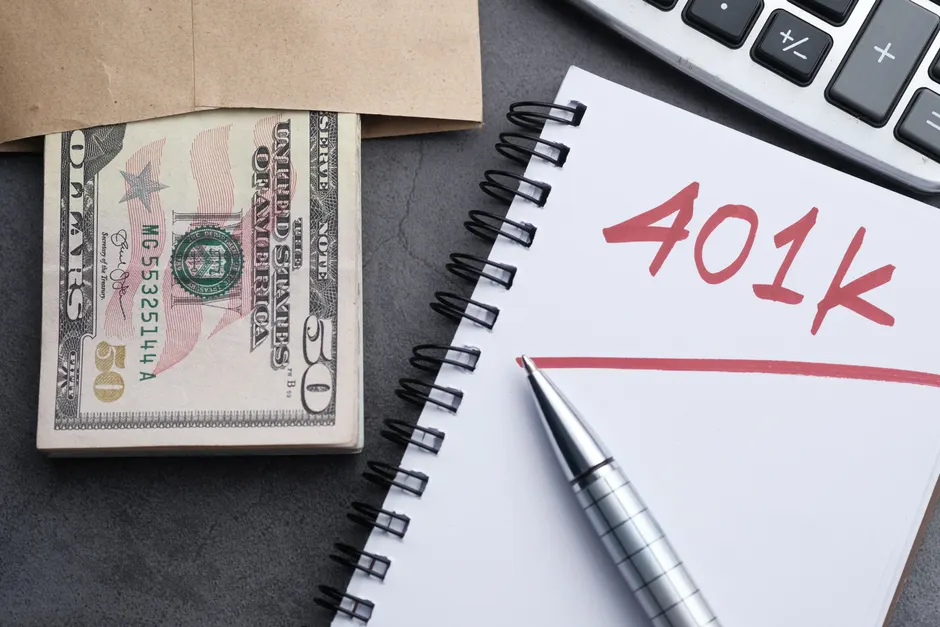
Student loans cost 401(k) savers $10 billion a year in missed matches from employers. That is the Employee Benefit Research Institute estimate reported Sept. 15, 2026. InvestmentNews
A 401(k) is a retirement savings account from work. A match is extra money your employer adds when you save.
If every employer matched loan payments, workers would have more than $10 billion extra for retirement. MarketWatch That is not money saved yet. It is match money left behind, like leaving free money on the table, when loan bills crowd out your own 401(k) deposits.
MarketWatch explained the timing in a Sept. 15 article titled 'When people with student debt try to save for retirement, they fall behind early and never catch up.' Gaps in the first years carry into lower savings rates and balances. Catching up takes saving more, working longer, or both.
Research from EBRI released in February 2024 found loan payments lower both the average amount workers put in and their account balance. EBRI Putting in less leaves less to grow over time. Lower balances come from smaller deposits plus missed matches.
U.S. law now lets employers match your loan payment as a retirement contribution. Time The SECURE 2.0 Act of 2022 allowed matching based on student-loan payments for the first time.
Total U.S. household debt was little changed at $18.8 trillion in the first quarter of 2026. The New York Federal Reserve's first-quarter 2026 report found trouble in student-loan borrowing continued. Reuters
As of March 2026, borrowers behind on student loans carried more other debt than before the pandemic. As of March 2026, those borrowers were also falling behind more on other debt. Bloomberg
As reported in June 2021, more than 40 million federal loan holders were set to restart monthly payments on October 1 after Covid-19 relief ended. That group has since moved through pauses ending, restarts, and missed-payment fixes into the 2026 group having trouble.
The broader context here is simple. You can raise what you save later. You generally cannot get back a missed match from a past year. When loan bills take most of your paycheck, your savings fall below the level needed for the full match. That match is lost, and you start next year with less.
Looking at what this means for plan sponsors, the employers who run 401(k)s, the more than $10 billion is a max if everyone took part. It assumes every employer offers the loan match and every eligible payment is matched. What happens in practice turns on plan rules, payroll systems, and whether workers pay debt instead of saving. The match builds savings without a deposit now, which helps workers with debt. It also gives match money to people who could not get it before.
In my view, other debts are the thing to watch. Borrowers current on student loans but stretched elsewhere may still save enough for the full match. Borrowers behind on student loans and other debt have less room to use any match, whether tied to savings or loan payments. That split will decide how much of the $10 billion gap better match rules can close and how much is wider money stress.