Why $100 Oil Could Mean Higher Prices at the Pump
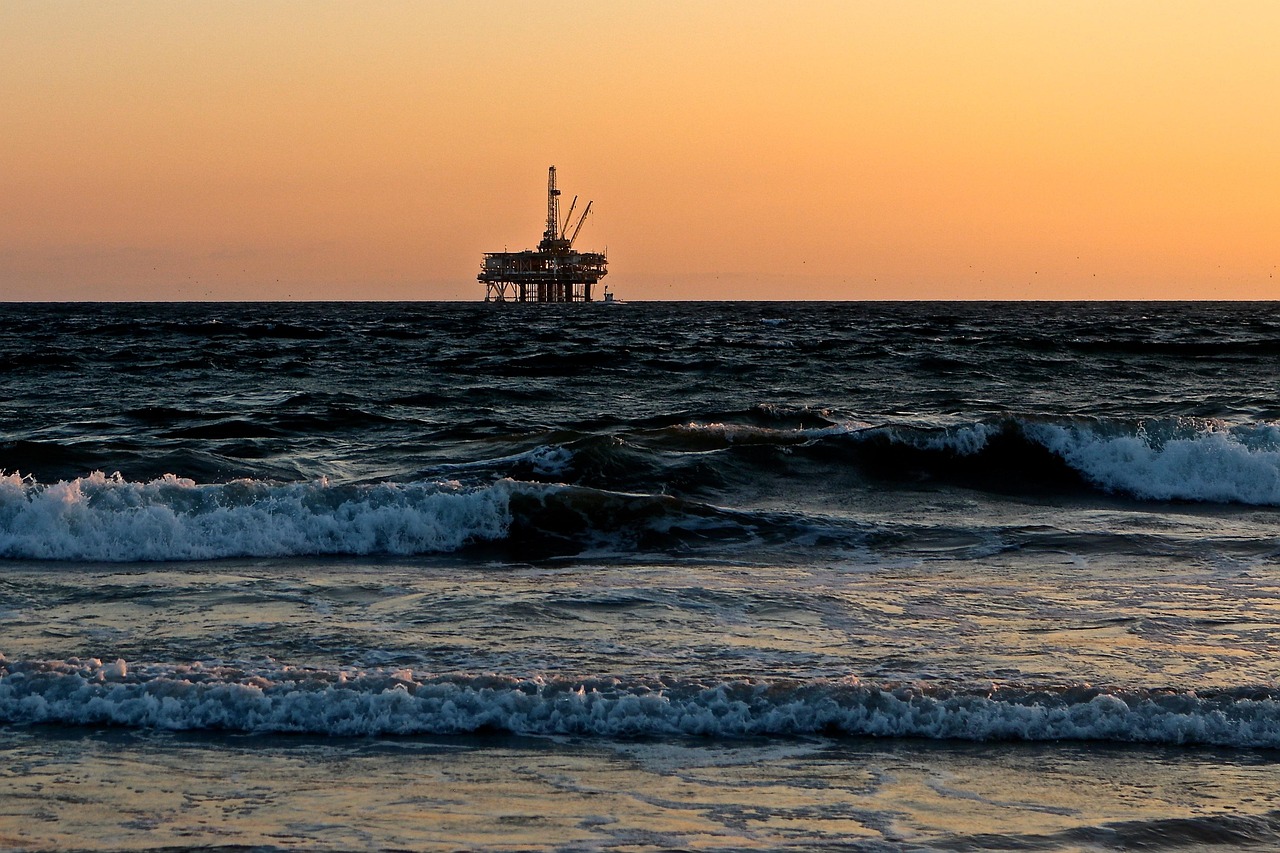
Brent crude, the world's main oil price, was set to end the week ended Sept. 11 above $100 a barrel. It fell on Friday but was still up more than 8% on the week because supply was tight. Reuters
Friday's dip did not wipe out the jump. Brent had settled above $100 as Middle East conflict intensified, according to Sept. 9 reporting. Reuters A further push took it past $100 amid a wave of U.S.-Iran attacks. Reuters By Sept. 11, Brent was trading near $100 for the first time since July amid escalating attacks across the Middle East. Reuters
Supply was tight, and demand added pressure. More buying from China helped push Brent above $100 at the same time as the U.S.-Iran attacks. Bloomberg
Why that mix matters is simple. When oil for immediate delivery is scarce and more buyers show up, both the headline price and the extra cost for fast delivery rise together, like paying more for same-day delivery. That is different from a scare-only jump that fades for deliveries months away.
Older prices give a sense of scale, not a forecast. After Israel's attack on Iran, Brent jumped to $76-$77 and Goldman Sachs estimated about $10 a barrel was extra cost for conflict risk. Wall Street Journal At that time the Journal said prices kept most of the prior day's gains despite some early selling while worry about the Middle East stayed high, in a piece called 'Oil Stages Timid Pullback As Geopolitical Risk Remains'. Selling was limited. Worry stayed strong.
A separate, undated Journal note had put Brent up 1.3% to $68.12 on worries about Russian oil supply. Treat that as background. The price in September 2026 is more than $30 higher, with a different region at risk.
The broader context here is two squeezes at once. The extra cost for conflict is no longer a small add-on to a well-supplied market. It sits on top of tight supply and returning Chinese buying. That changes how companies lock in prices. Sellers want to lock in high prices now, while buyers pay more if they wait.
In my view, the 8% weekly gain matters more than the Friday dip. It suggests buyers rushed in fast and sellers betting on lower prices were forced to buy back. Friday sellers took profits. They did not reverse the week. For ordinary money, the link is direct: higher crude lifts petrol, diesel and shipping costs, with a delay.
Looking at what this means for bets on oil, limits on risk are the brake. When the price clears $100 on tight supply and fighting, price insurance gets costlier and the cash deposit to trade rises. That can hold back new speculators even while real buyers must keep buying. The result is often choppy trading around $100, not a straight climb.
For the near term, managing risk matters more than guessing direction. Stockpiles, tanker availability and refinery runs will decide if $100 holds or slips. Headlines will move prices during the day. The closing trend will follow actual barrels.


