The Fed Held Interest Rates Steady—But Signaled More Hikes May Be Coming
The Fed Held Interest Rates Steady—But Signaled More Hikes May Be Coming
On June 17, 2026, the Federal Reserve decided to keep its main interest rate—the federal funds rate—in the range of 3.5 to 3.75 percent. This is the rate banks charge each other for overnight loans, and changes to it ripple through the economy, affecting mortgage rates, car loans, and savings account returns. The Fed didn't move the rate up or down. But here's what mattered: it also said it might raise rates again later in the year.
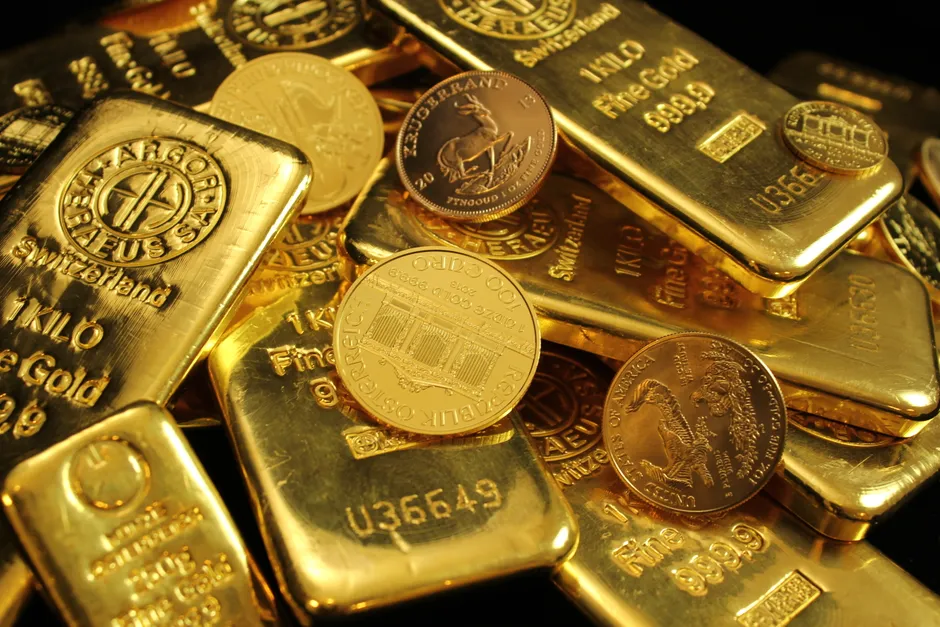
That combination—holding steady but leaving the door open to a hike—sent a clear message to investors. Gold, which doesn't pay interest or dividends, dropped to $4,299.89 per ounce that day, according to Reuters.
Why Gold Fell
To understand why, you need to know how gold works. When interest rates are low, keeping your money in a savings account or Treasury bond doesn't earn much. Gold at least holds its value, even if it doesn't pay you anything. But when interest rates rise, savings accounts and bonds suddenly look more attractive. Gold loses its appeal. The higher the odds of a future rate hike, the lower gold's price tends to be.
The day before the Fed decision, gold had climbed to $4,338.86 per ounce. Traders were optimistic about a potential U.S.-Iran peace deal, which would reduce tensions in the Middle East and ease fears about oil supply shocks. If oil prices stay calm, inflation might not spike—and if inflation isn't a problem, the Fed might not need to raise rates. That's why gold had bounced higher: peace talks meant fewer rate hikes. The $39 swing from June 16 to June 17 tells you the story. Geopolitical calm suggested lower rates; the Fed's hawkish signal re-tightened that logic.
The Iran Context
The Iran peace framework matters because of what's embedded in energy prices and gold right now—a premium for geopolitical risk. In 2015, Iran, the UK, China, France, Germany, and the US agreed to the Joint Comprehensive Plan of Action (JCPOA), a deal to limit Iran's nuclear program, per the US State Department. Any credible new peace agreement along those lines would reduce tension and, in theory, keep energy prices from spiking. Traders priced that in on June 16. But the Fed's message the next day—that it's ready to hike rates—complicated that bet.
What Happens Next
The Fed doesn't say exactly when it will raise rates again. Its standard approach is to keep its options open, waiting for new data on inflation and employment before making the call. The Fed's leadership meets eight times a year on a regular schedule, so another decision point isn't far off. Every inflation report, jobs report, and consumer price release now carries extra weight. Markets will scrutinize the Fed's language for clues about what data they're waiting for.
The practical upshot: for anyone with money in bonds, savings, or gold, there's still uncertainty about where interest rates go next. The Fed's June decision kept that door open. Gold's path forward hinges on whether the Iran peace process holds—enough de-escalation to bring down the geopolitical risk premium and let gold find footing above $4,300. Whether that happens is something only future data and events will tell.