Why AI Could Create a Huge Pile of Toxic Trash
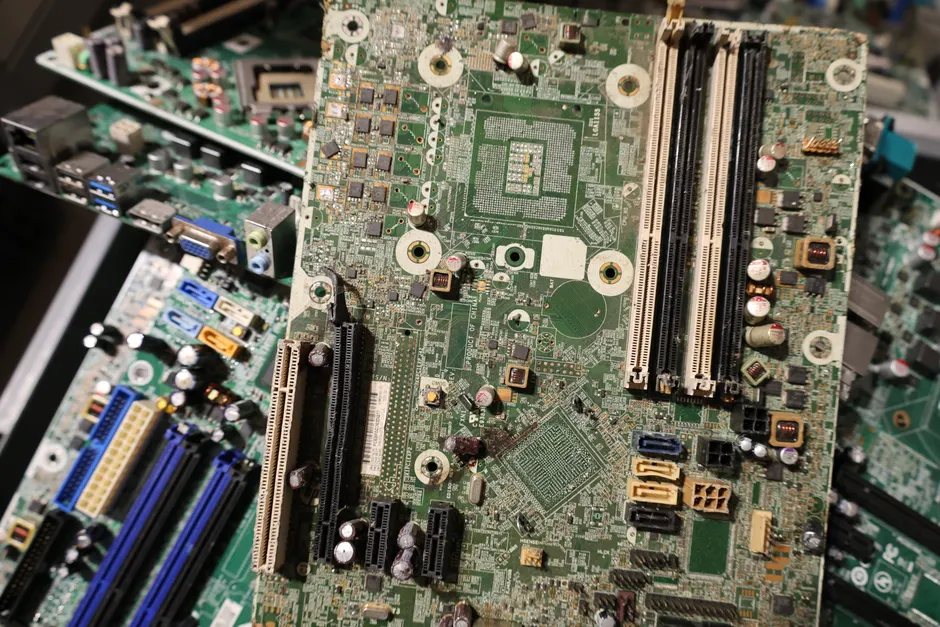
AI growth could triple the amount of toxic electronic trash made each year over the next 25 years, creating a "tsunami" of discarded electronics, the Basel Action Network projects.
The Seattle-based watchdog group published the analysis on September 15, 2026, with detailed reporting following on September 16. The Guardian
The report is called "The Coming AI Waste Wave." It estimates 395 to 617 million tonnes of AI-related equipment could be retired between 2025 and 2050. BAN calls it a first-of-its-kind full-infrastructure analysis, which means it studies whole systems, and finds AI e-waste may be 40 to 60 times what was estimated before. Basel Action Network
By 2030, retirements tied to AI equipment could reach up to 13 million metric tonnes per year. Over 25 years, there would be enough trash to fill shipping containers that would circle the globe six times.
BAN says the cause is building at very large scale. It counts 4,871 new datacenters, big buildings full of computers that run AI, planned in the United States. It estimates roughly 100 gigawatts of new computing power will be built worldwide by 2030 alone, growing beyond that.
Weight drives the math. Each server rack weighs 1,360 kg. Switches weigh up to 30 kg. Hundreds of kilograms of copper cable connect each rack. The totals use that weight, not only chip counts.
BAN expects the gear will not be designed for repair and reuse. It will need full replacement every two to five years. It also assumes new AI needs will force fast replacement of home computers, phones and telecom equipment due to computing needs of new systems.
The trash holds lead, mercury, cadmium, forever chemicals that last a very long time in nature, and valuable metals that are hard to reclaim. The report says there is no plan to deal with that material. BAN co-founder Jim Puckett said electronic waste is the fastest-growing waste stream on the planet and only one-fifth is properly managed.
The broader context here is that rules for buying, fixing, recycling and shipping old electronics were made for older, slower systems. A two-to-five-year replacement cycle across thousands of sites would strain all of those rules at once, especially where valuable metals invite unsafe handling and where toxic parts need careful treatment.
Looking at what this means for leaders and companies, the questions come in order. Who pays to remove old racks when they turn over that fast. What rules apply to repair, reuse and recovery before export. How phone and computer turnover is counted in national totals. The answers will shape whether this waste is handled safely or spreads as pollution.