Why Stocks Rose Right After the Fed Raised Rates
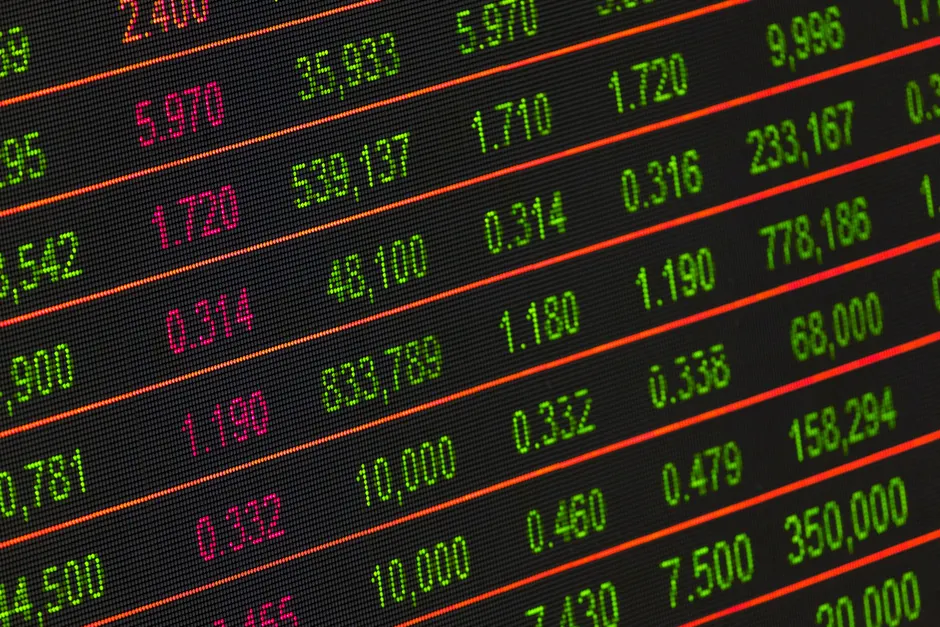
The morning bounce
U.S. stocks rose on the morning of September 17, 2026, after the Federal Reserve's first interest rate increase in three years. Stocks edged up early on Thursday, according to Reuters, steadying after a drop on Fed day.
The S&P 500, a broad index of large U.S. companies, was up 0.9% at 9:49 a.m. in New York on September 17. The Nasdaq 100, which holds many big technology stocks, was up 1.4% at the same time, according to Bloomberg. Stocks rose with bonds and Treasuries, which are U.S. government IOUs, after that Fed-day drop. Falling oil prices helped hopes that rising prices could be kept under control, according to Bloomberg. Futures, or early bets on where stocks would open, had pointed to a bounce.
The Fed raised its main rate by 25 basis points to a range of 3.75% to 4.0%, according to Reuters. A basis point is a tiny rate step, so 25 points means one quarter of a percentage point. For savers it can mean a bit more interest. For borrowers it can mean higher loan costs. The move was widely expected. Markets had put an 88.5% chance on a quarter-point hike that week, according to Reuters.
Oil and inflation background
Oil and inflation reports had set the daily mood for weeks. U.S. stocks slid when deadlocked talks about the future of the Strait of Hormuz pushed oil prices up ahead of key inflation data, according to The Wall Street Journal. On August 13, 2026, U.S. stocks rose toward an all-time high after a sign that inflation was getting less bad, according to ABC Columbia. On September 11, 2026, U.S. stocks rebounded on Friday and regained much of their losses for the week after oil prices eased, according to The Columbian.
Reading the market reaction
The broader context here is that investors treated oil like a delivery fee baked into almost everything. When oil rose, inflation expectations and borrowing costs rose too. When oil fell, that pressure eased. That helps explain why stock drops tied to Hormuz headlines faded fast when oil softened. Stocks reacted less to each inflation number itself than to what it meant for the Fed's next move.
In my view, the September 17 move added a twist. A well-expected quarter-point hike would normally hurt long-term bonds and fast-growing tech stocks. The opposite happened, with stocks, bonds and Treasuries rising together. One reading is that investors trusted the Fed to fight inflation and worried less that oil would keep prices high for a long time. The bigger Nasdaq gain fits that bond-led story, though the confirmed numbers cover only that morning and not the close or trading volume.
For risk from here, what matters next is not the 3.75% to 4.0% range itself but the link between oil, inflation expectations and Fed policy. If oil stays the main channel, stocks will stay sensitive to inflation surprises. Stocks and bonds may keep moving together on good inflation news. That leaves portfolios open to a turn in oil even after the rate hike. The next test is whether the early strength on September 17 lasts through the close and whether bonds hold up if oil rises again.