Israel Bombs Southern Lebanon: What's Happening and Why It Matters

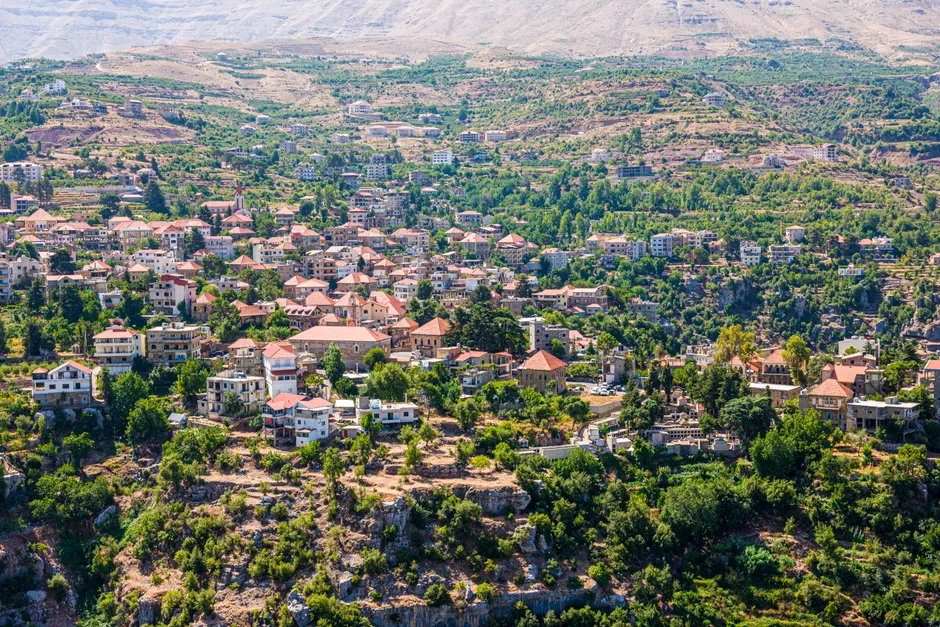
On June 19, 2026, Israeli airstrikes killed at least 15 people in southern Lebanon, hitting towns and the city of Tyre. Drone strikes also killed civilians, including families. Israeli forces attacked Beirut as well, targeting what they called Hezbollah military sites, according to Reuters.
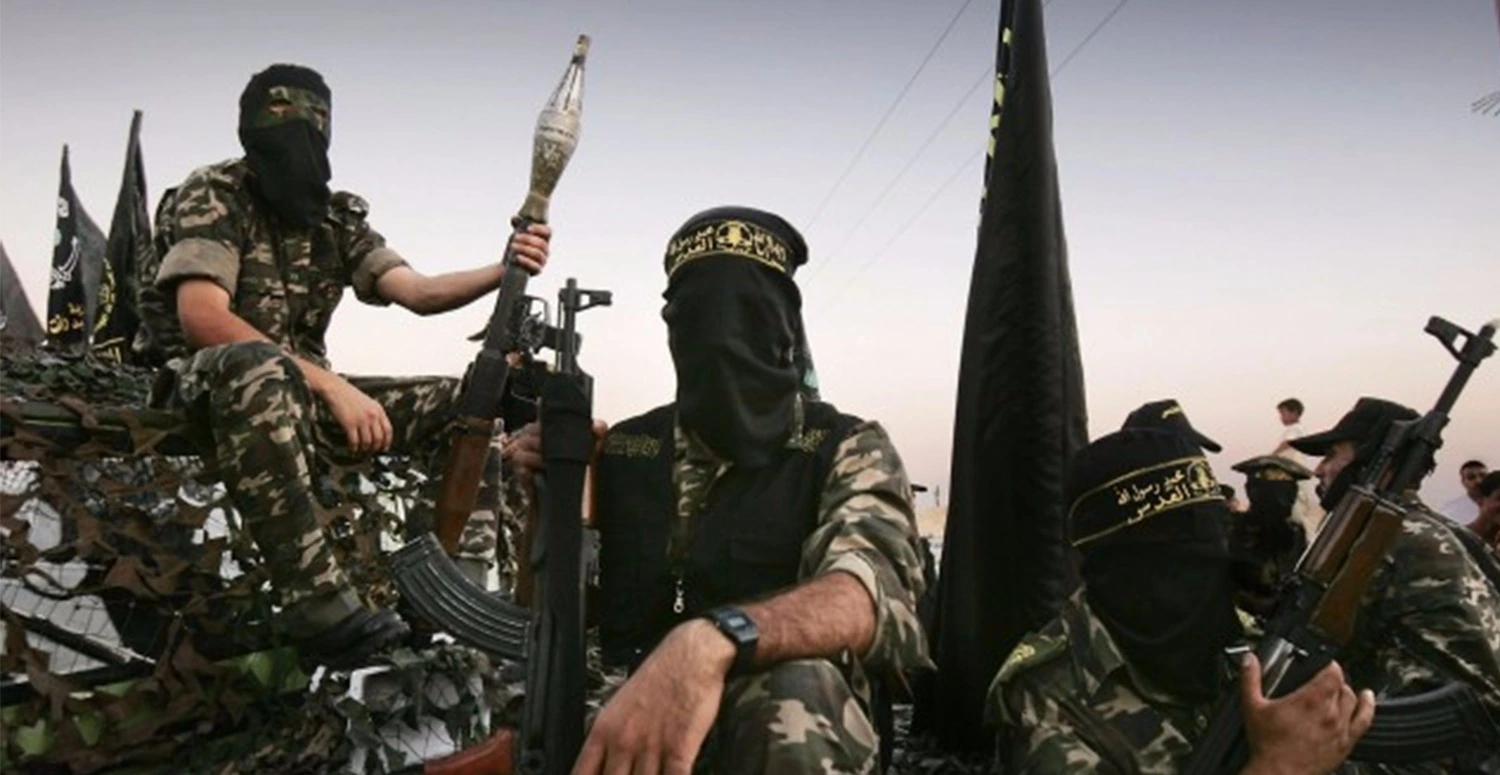
Israeli Prime Minister Netanyahu described the strikes using a careful distinction: Israel is fighting Hezbollah, a militant group, not the country of Lebanon itself. He said the goal is to destroy missile stockpiles and launch systems, and he cited Hezbollah's reported arsenal of 150,000 missiles as the reason for the campaign's scope.
Israeli officials repeated this line in international discussions, saying their military only targets militant infrastructure. But the civilian deaths in Lebanese towns contradict that claim—a gap that Lebanese officials and outside observers have pointed out repeatedly.
Why This Legal Distinction Matters
Israel's insistence that it is fighting a militant group, not the Lebanese government, is not just about messaging. It has real legal and diplomatic consequences. Treating the situation as a counterterrorism operation rather than a war between two countries allows Israel to keep diplomatic channels open, reduce international criticism, and avoid some of the legal obligations that apply to full-scale wars between nations.
The United States has given this distinction some support. The U.S. said that Hezbollah's attacks on Israel happened without permission from Lebanon's government. That matters because it keeps the Lebanese government at legal distance from what Hezbollah does militarily, even as Israeli strikes hit Lebanese territory and kill Lebanese civilians.
Yet here is the strange part: even as Israel launches more strikes, Israeli and Lebanese officials are talking to each other behind the scenes. They have said they do not want war with each other and plan to keep negotiating. Having active peace talks while bombs are falling is not new in the Israel-Lebanon relationship—it has happened before. But the strikes are now reaching farther north into Lebanon than they have in this round of fighting, which puts more pressure on that arrangement.
What Do the Numbers Really Mean?
When Netanyahu says Hezbollah has 150,000 missiles, experts disagree on what that actually means. Different estimates range widely depending on what kinds of weapons are counted and how they are measured. If the number includes accurate, guided missiles as well as older, less precise rockets, it describes a much more dangerous threat than either type alone. Israeli strikes on launcher sites suggest Israel is trying to destroy the systems that fire missiles, not just the missiles themselves.
No one outside the military can verify whether hundreds of launchers have actually been destroyed. Hezbollah minimizes its losses publicly, and outside observers cannot easily reach the areas being bombed.
The pattern that experts tracking Israel and Lebanon have seen since their last major war in 2006 is this: each time fighting escalates, it tests how far both sides will push, and whether the peace framework that the United States helped build will hold. What is unusual now is that Israel is attacking while also negotiating—either as a pressure tactic to get a better deal, or because the balance between the two is becoming harder to maintain. The outcome depends on what each side actually wants next.